Rahul Gandhi Refuses Election Commission Affidavit Demand, Says He Already Took Constitutional Oath


Congress leader Rahul Gandhi rejects Election Commission's demand for signed affidavit over vote fraud allegations, claiming he has already sworn oath to Constitution in Parliament.
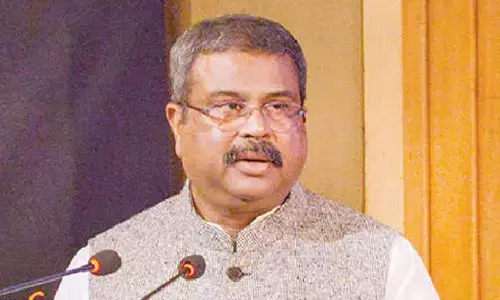
Congress leader Rahul Gandhi has firmly rejected the Election Commission of India's demand for a signed affidavit regarding his allegations of electoral fraud, stating that he has already taken the constitutional oath as a Member of Parliament and needs no additional declarations.
Speaking in Bengaluru on Friday, Gandhi responded to the Election Commission's requirement that he either sign a declaration by Chief Electoral Officers of Maharashtra and Karnataka or apologize for what officials termed his "absurd" allegations of systematic vote manipulation.
The Leader of Opposition in Lok Sabha maintained his defiant stance, asserting that his parliamentary oath to uphold the Constitution was sufficient validation of his commitment to democratic principles. Gandhi also claimed that Election Commission websites in Madhya Pradesh, Rajasthan, and Bihar have been shut down in response to public scrutiny.
The Congress MP alleged that electoral authorities closed their websites because they fear public questioning would expose fundamental flaws in the electoral system. He suggested that increased public scrutiny of electoral data would cause the entire institutional structure to collapse under examination.
Gandhi's refusal came after Election Commission sources indicated that if he genuinely believed in his analysis and allegations against the poll body, he should have no difficulty signing the required declaration under electoral rules and providing specific names of voters wrongfully added or removed from electoral rolls.
Officials stated that failure to sign the declaration would indicate Gandhi does not believe in his own analysis and conclusions, making his allegations baseless. In such circumstances, they suggested he should apologize to the nation for spreading unfounded claims about electoral integrity.
The controversy stems from Gandhi's explosive press conference on Thursday where he alleged a "huge criminal fraud" involving collusion between the BJP and the Election Commission. He claimed systematic vote theft of 100,250 votes in Karnataka's Mahadevapura assembly constituency, citing various irregularities including duplicate voters, fake addresses, and invalid documentation.
Gandhi presented detailed allegations including 11,965 duplicate voters, 40,009 voters with fraudulent addresses, 10,452 bulk voters sharing single addresses, 4,132 voters with invalid photographs, and 33,692 voters misusing new voter registration forms. He characterized this as a nationwide pattern affecting multiple constituencies across different states.
The Congress leader analyzed voter data from the 2024 Lok Sabha elections for the Mahadevapura segment within the Bangalore Central constituency, claiming his party's internal polling suggested they should have won 16 Karnataka seats but secured only nine victories. This prompted focused investigation into the seven unexpected losses.
Gandhi cited specific examples of alleged fraud, including individuals appearing multiple times on voter rolls at different booths and voters registered in multiple states simultaneously. He claimed the BJP's victory margin of 32,707 votes in Bangalore Central was significantly influenced by irregularities in the Mahadevapura segment.
In response, Chief Electoral Officers from Maharashtra and Karnataka have demanded that Gandhi provide sworn affidavits and specific evidence supporting his fraud allegations. They emphasized that electoral rolls were prepared transparently and shared with political parties, including Congress, during the standard review periods in August and September 2024.
The Maharashtra CEO noted that Congress did not file any appeals during the designated review period when draft and final electoral rolls were made available to all political parties. This timeline suggests the party had opportunities to raise concerns through established procedures but did not utilize them.
The Election Commission maintains that Gandhi must either substantiate his claims with concrete evidence and legal declarations or retract his allegations and apologize for undermining public confidence in democratic institutions through unsubstantiated accusations of systematic electoral fraud.