PMO Orders Crackdown On Polluting Vehicles In Delhi, Calls For Rapid EV Expansion

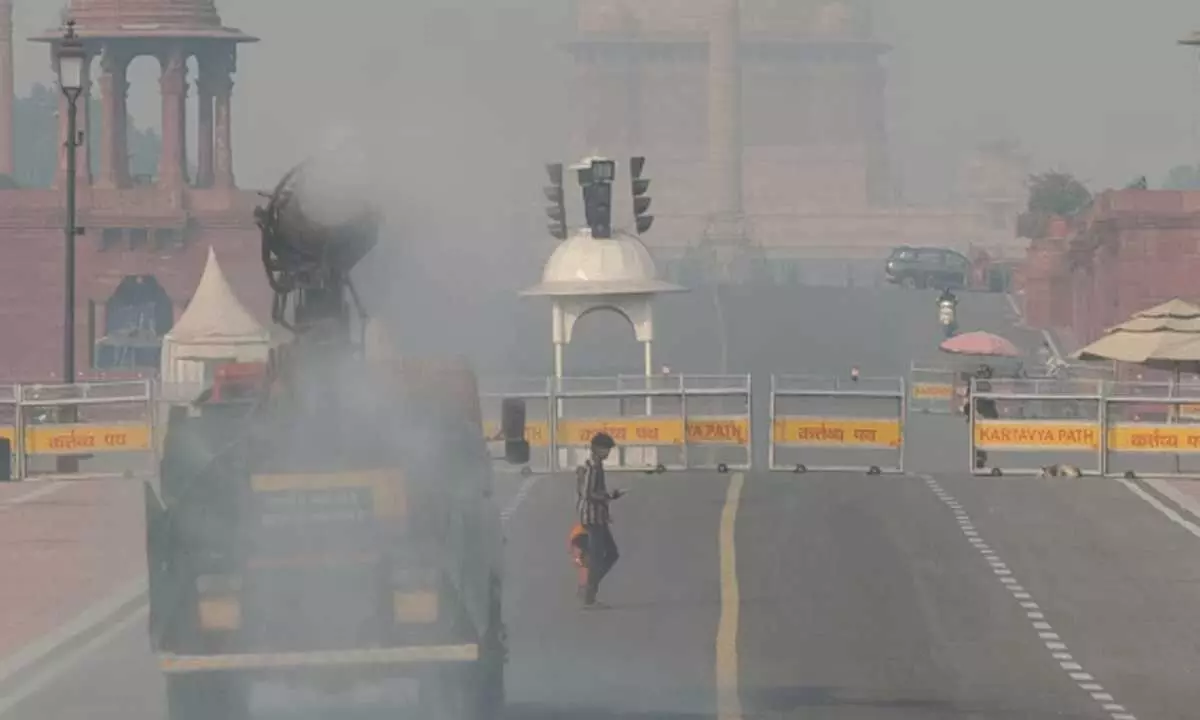
As Delhi’s air quality slips into ‘very poor’ and ‘severe’ zones, the PMO instructs strict action against emission-violating vehicles and pushes for a faster rollout of electric vehicle infrastructure.
Amid the persistent decline in Delhi-NCR’s air quality, the Prime Minister’s Office (PMO) has taken direct charge, issuing instructions for stringent action against vehicles contributing to pollution and urging officials to accelerate the shift toward electric mobility. The intervention follows two consecutive weeks during which Delhi’s overall AQI has stayed in the ‘very poor’ range, with certain localities slipping into the ‘severe’ category.
During a high-level meeting led by the Principal Secretary to the Prime Minister, officials were told to ramp up inspections of vehicles flouting emission standards. According to sources, the PMO noted that nearly 37% of vehicles in the region still operate under outdated BS I to BS III norms, making them significant contributors to the pollution load.
A major focus of the meeting was the expansion of Delhi’s electric vehicle ecosystem. The Centre wants to speed up the adoption of EVs by increasing charging infrastructure, improving access to charging stations, and ensuring that subsidy mechanisms are implemented efficiently. The PMO stressed the need to reduce reliance on conventional petrol and diesel vehicles as quickly as possible.
Officials also indicated that the PMO is now directly overseeing pollution sources, and further actions are likely soon. Since November 11, Delhi’s air quality has fluctuated between ‘very poor’ and ‘severe’ due to a combination of vehicular emissions and stubble burning. In response, the Commission for Air Quality Management (CAQM) has strengthened emergency measures under the updated Graded Response Action Plan (GRAP).
All public and private offices in the capital have been instructed to implement staggered working hours and ensure that at least half their employees work from home. These measures are part of a broader strategy aimed at easing congestion and reducing daily vehicular emissions amid the ongoing smog crisis.
Next Story