PM Modi Promises Naval Chief 'Your Moment Will Come' After India-Pakistan Ceasefire

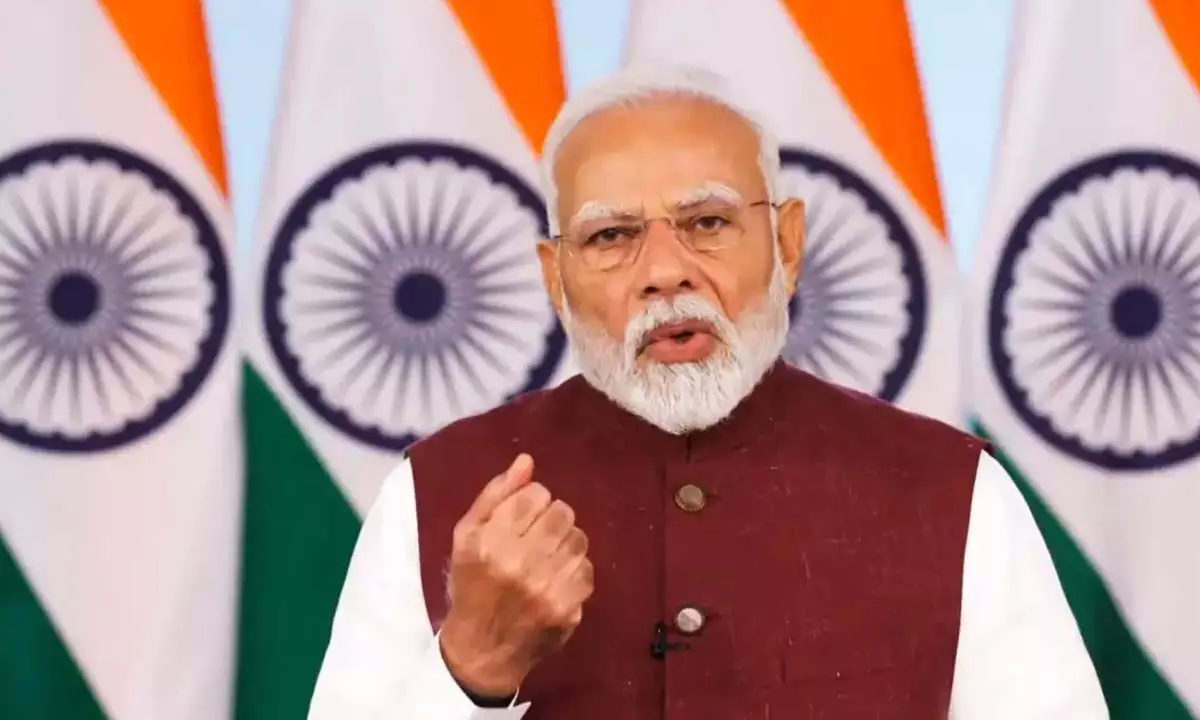
PM Modi told Naval Chief Admiral Dinesh Tripathi "your turn will come" after calling off BrahMos strike on Karachi port during May ceasefire with Pakistan.
Prime Minister Narendra Modi delivered a telling remark to Naval Chief Admiral Dinesh Tripathi following the India-Pakistan ceasefire agreement, promising that the Navy's opportunity for decisive action would eventually arrive. The PM's comment came after he ordered the Indian Navy to abort a planned BrahMos missile strike on Karachi port during the intense May 10 confrontation.
The three service chiefs leading India's armed forces—Air Chief Marshal Amar Preet Singh, General Upendra Dwivedi, and Admiral Dinesh Tripathi—represent a unique blend of military expertise and fearless leadership. Air Chief Marshal Singh embodies the classic test pilot mentality, living each day to the fullest with an uncompromising attitude that remains undeterred by political sensitivities. General Dwivedi represents the quintessential infantry officer, most comfortable among his troops, displaying quiet determination that transforms into ruthless efficiency when circumstances demand. Admiral Tripathi stands as the epitome of naval aggression, firmly believing in the Navy's destructive capabilities and had prepared to devastate Karachi port until Pakistani military leadership desperately sought peace.
These military leaders operate under a formidable national security framework headed by Prime Minister Modi, Defence Minister Rajnath Singh, National Security Advisor Ajit Doval, and Chief of Defence Staff General Anil Chauhan. This quartet shares a remarkable ability to navigate extremely dangerous situations while possessing the courage to make critical decisions regarding national security, regardless of potential consequences. Their combined leadership creates an exceptionally effective strategic team.
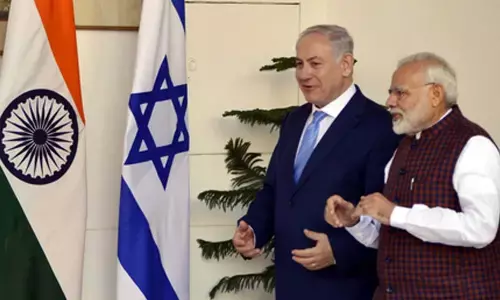
During the morning of May 10, while acknowledging the exceptional response of India's armed forces, PM Modi congratulated General Dwivedi and Air Chief Marshal Singh for their successful operations. He then turned to Admiral Tripathi with the memorable statement: "Humne aapke mooh se niwala cheen liya, aapko mauka phir milega" (I have snatched the morsel from your mouth, but your opportunity will come). This comment followed the decision to halt the Navy's planned BrahMos missile assault on Karachi port. Demonstrating remarkable resolve, the Prime Minister showed no concern about potential Pakistani retaliation against his home state Gujarat in response to the proposed Karachi operation, granting complete operational freedom to all three service chiefs while preparing for worst-case scenarios. While the military commanders might have harbored reservations, the PM displayed unwavering determination.
Despite criticism from various defense analysts and state-funded research institutions who consider Air Chief Marshal Singh's recent Bengaluru statements exaggerated, the Air Force chief only discussed verified Pakistani aircraft, radar systems, and airborne early warning platform destructions during the May 7-10 conflict period. His account deliberately excluded additional substantial evidence available to intelligence agencies and defense planners.
Classified information reveals that a hangar containing C-130 Hercules VIP transport aircraft suffered significant damage at Chaklala airbase in Rawalpindi on May 10, while two F-16 fighter jets were destroyed on the ground at Jacobabad airbase. The northern Pakistan Air Force command and control infrastructure was completely blinded after the Nur Khan (Chaklala) facility was struck at 2:30 AM on May 10. Air Chief Marshal Singh's public statements also omitted "partial kills" from his official tally.
The devastating effectiveness of the Indian Army's M777 Excalibur precision shells and Warmate loitering munitions created such terror among Pakistani forces that troops abandoned their Line of Control positions and retreated in panic. The Indian Air Force's aggressive response compelled Pakistan to relocate all valuable PAF assets toward the western borders with Iran and Afghanistan for protection. The threat was so severe that an S-400 missile system was deployed to eliminate a large aircraft 315 kilometers inside Pakistani territory in Punjab province. The destroyed aircraft was identified as a Saab airborne early warning platform, though some IAF sources believe it could have been a Dassault Falcon 20 electronic intelligence aircraft.
The Pakistani Navy's response revealed the extent of their fear, with virtually no ships or submarines venturing into operational waters to counter India's naval armada. Instead, all Pakistani naval vessels retreated toward Gwadar port, seeking safety from the anticipated Indian maritime offensive.
While PM Modi's political opponents and academic critics suggest he terminated the military response due to alleged American intervention, the final Indian BrahMos strike actually hit Bholari airbase at noon on May 10, after which all designated mission objectives had been successfully completed.
Given that Field Marshal Asim Munir served as Director General of Inter-Services Intelligence during the February 14, 2019 Pulwama suicide bombing and held the position of Army Chief during the April 22, 2025 Pahalgam Hindu tourist massacre orchestrated by Rawalpindi, intelligence assessments indicate Pakistan will likely attempt another terrorist attack in the Kashmir Valley or Indian mainland territory in the near future. Whether Munir receives promotion to Pakistan's presidency or the position of Field Marshal Administrator, indications suggest that the Indian Navy will ultimately receive its promised opportunity for decisive action.
The strategic patience demonstrated by India's leadership, combined with the military's preparedness for comprehensive response, creates a formidable deterrent against future Pakistani adventurism. The PM's assurance to the Naval Chief reflects a broader strategic approach that maintains all options while carefully calibrating responses to achieve maximum effect with minimal escalation risks.