Pakistan Airspace Ban Adds Hours To Indian International Flights

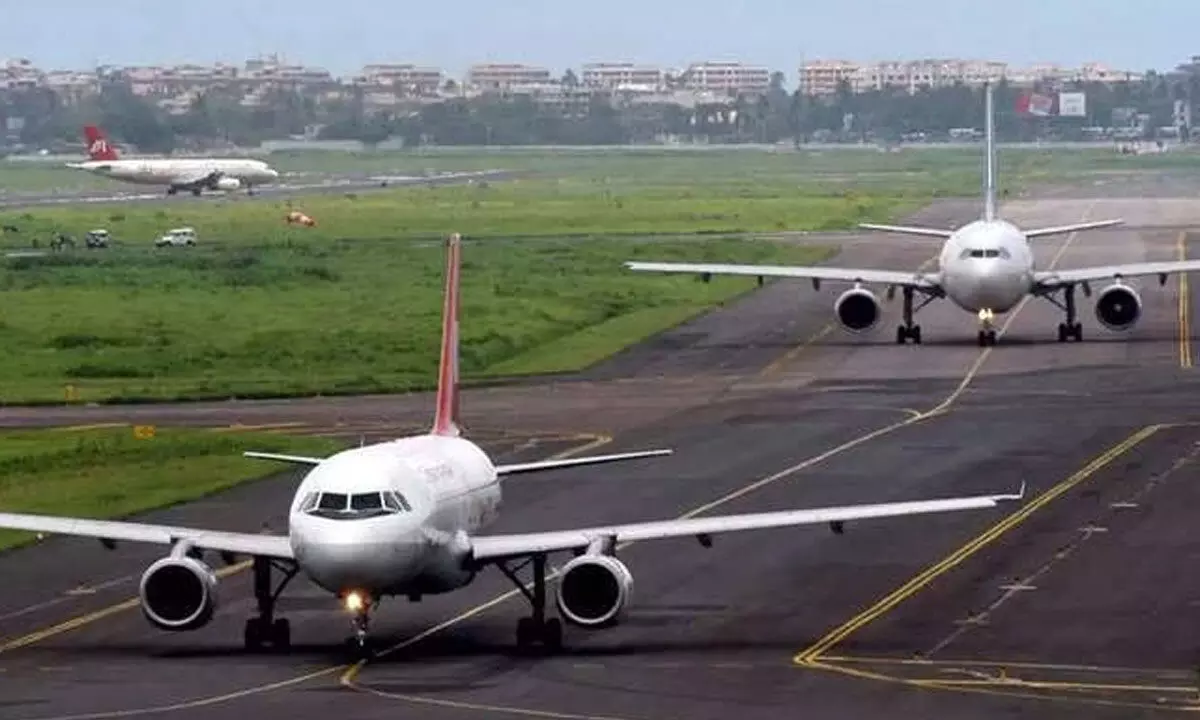
Pakistan's airspace closure to Indian aircraft following the Pahalgam attack has significantly extended flight times, with Delhi-New York routes facing up to four-hour delays and potential 8-12% fare increases.
The closure of Pakistan's airspace to Indian carriers has dramatically extended travel times for international flights, with some journeys now requiring up to four additional hours beyond their already lengthy durations. This development follows escalating tensions between the two nations after the recent Pahalgam terror attack.
Flight monitoring data reveals significant disruptions, including an Air India flight from Delhi to New York's JFK Airport that required an unscheduled refueling stop in Vienna, adding nearly four hours to the journey. Other routes have experienced similar extensions, with the Delhi-Baku flight increasing from 3.5 to over 4.5 hours, while the Delhi-Tbilisi route has nearly doubled in length.
Pakistan has barred all Indian-registered, owned, operated, or leased aircraft, including military planes, from using its airspace until May 24, according to an official Notice to Airmen (NOTAM). The restriction particularly impacts flights from northern India to Europe, North America, the Middle East, Central Asia, and the Caucasus region.
As relations remain strained, airlines have been forced to redraw flight paths to circumvent Pakistani territory. This rerouting has extended flight times considerably: up to 20 minutes longer for Middle Eastern destinations, 40 minutes for West Asian routes, over an hour for Central Asian cities, nearly two hours for European destinations, and up to four hours for US-bound flights.
The operational challenges create significant financial implications for Indian carriers. Air India's Delhi-New York flight (AI101) now takes two additional hours due to rerouting over the Arabian Sea, while flight AI193 required a fuel stop in Vienna, resulting in a four-hour delay. Meanwhile, non-Indian carriers like United Airlines retain access to Pakistani airspace, giving them a competitive advantage.
Industry experts predict international airfares on Indian carriers could rise by 8-12% as a result. The extended flight times necessitate additional fuel, creating payload challenges that may force airlines to reduce passenger and baggage capacity. This reduction would further impact revenue, compounding financial pressures on affected carriers.