Over 20K challans issued as GRAP-2 enforced to tackle pollution

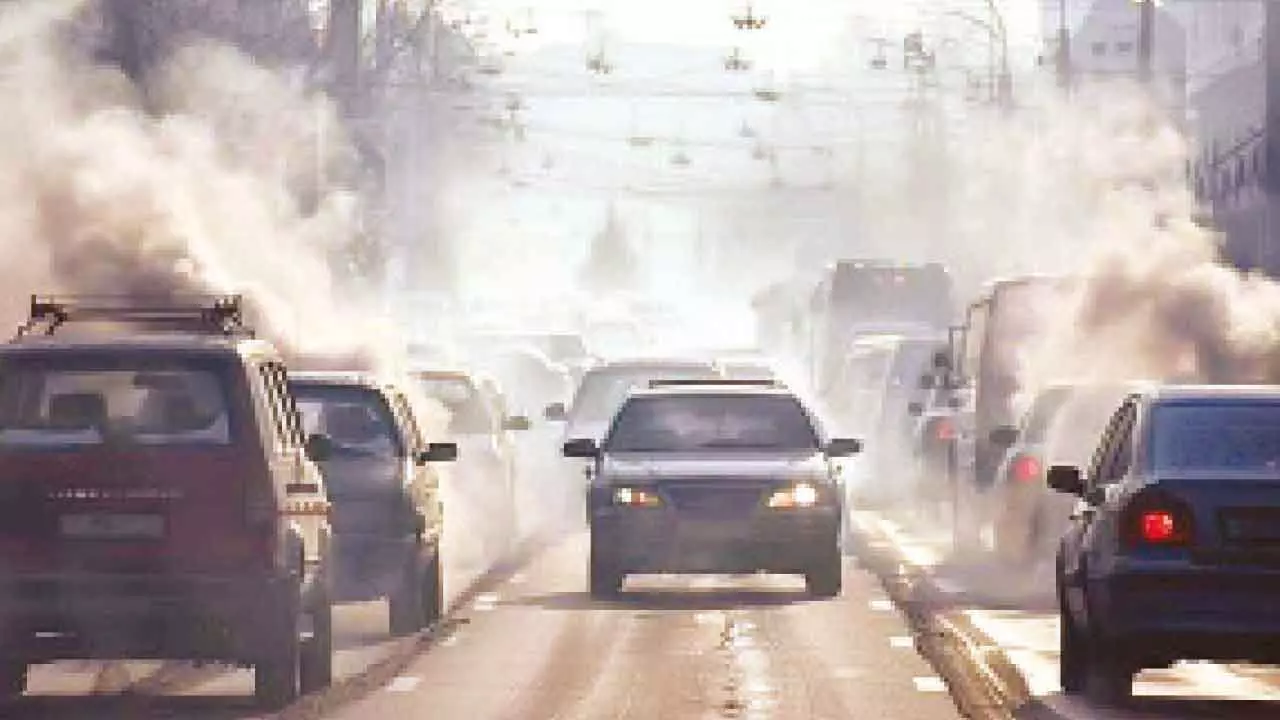
According to Additional Commissioner of Police Satyavir Katara, the enforcement drive has primarily targeted vehicles without valid Pollution Under Control Certificates
With pollution levels rising in the national capital, the Delhi government and law enforcement agencies have intensified action against polluting vehicles under the Graded Response Action Plan (GRAP)-2, which came into effect on October 19, 2025. In a bid to control vehicular emissions, more than 20,000 challans have already been issued across the city.
According to Additional Commissioner of Police Satyavir Katara, the enforcement drive has primarily targeted vehicles without valid Pollution Under Control Certificates (PUCC). “GRAP-2 is in effect in Delhi from October 19, and strict action is being taken against polluting vehicles. So far, over 20,000 challans have been issued for PUCC violations, each carrying a fine of ₹10,000,” he said.
Katara added that commercial vehicles running on diesel and petrol below the BS-III standard and not registered in Delhi are being stopped from entering the city. “Such vehicles are being turned back at the borders to prevent further pollution,” he explained. Urging public support, he appealed to citizens to cooperate with the Delhi Traffic Police to help curb vehicular pollution and improve the city’s air quality.
Meanwhile, in a related move, the Commission for Air Quality Management (CAQM) last week announced a ban on the entry of all non-Delhi registered BS-III and BS-IV commercial goods vehicles into the capital from November 1, 2025. The commission stated that the restriction is part of a broader strategy to reduce vehicular emissions, which are among the major contributors to Delhi’s worsening air pollution, particularly during the winter months.
As a transitional measure, BS-IV commercial vehicles will be allowed to enter Delhi only until October 31, 2026. The commission emphasized that this grace period will give fleet operators and logistics companies time to upgrade to cleaner vehicles.
However, no restrictions will apply to CNG, LNG, or electric vehicles, which continue to be permitted entry into Delhi. Similarly, BS-VI compliant petrol and diesel vehicles can operate freely throughout the year.
The CAQM clarified that these steps are designed to reinforce existing efforts under the Graded Response Action Plan and are part of a long-term strategy to cut vehicular emissions and improve air quality across the National Capital Region.
With the enforcement of GRAP-2 and the upcoming vehicle entry restrictions, authorities hope to bring measurable improvement in Delhi’s air quality- a recurring challenge that worsens each winter due to vehicular emissions, industrial activity, and stubble burning in neighboring states.