Muslim Representation In Bihar Assembly Remains Below Population Share Through Lalu-Nitish Era

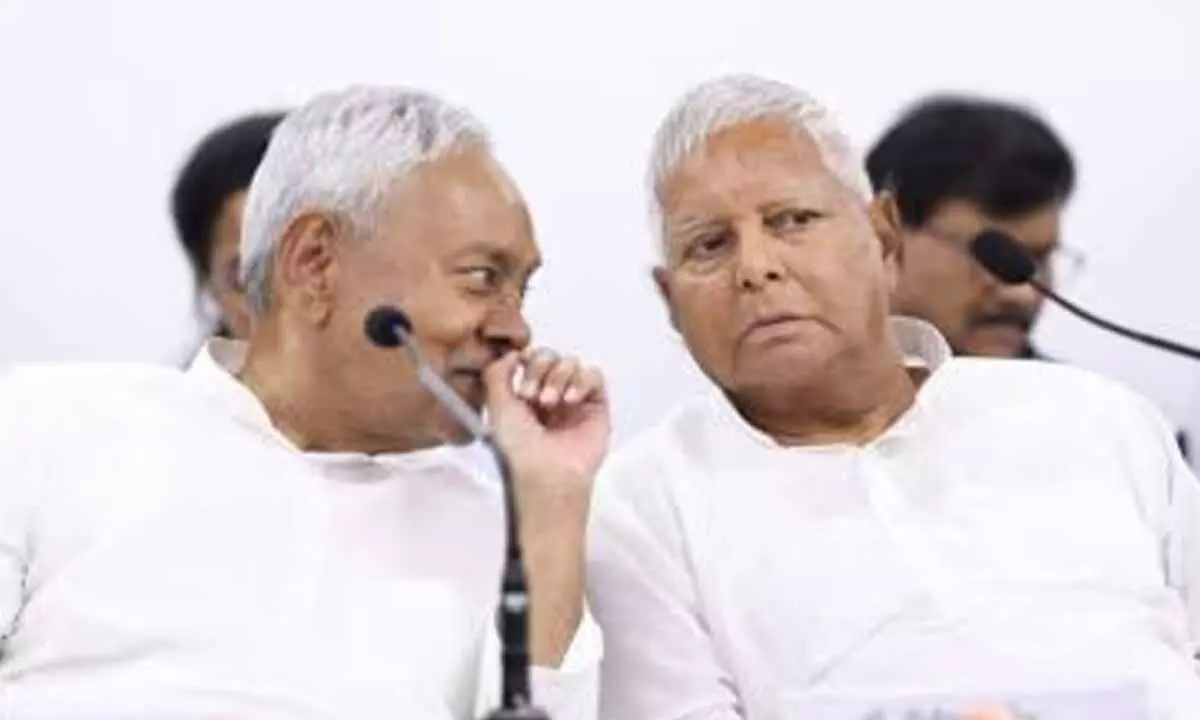
- Despite forming 17.7% of Bihar’s population, Muslims have averaged only 8% representation in the state assembly since 1990.
- The peak came in 2015 and 2005 with 9.87%, while the lowest was 5.55% in 1990.
- With major alliances fielding fewer Muslim candidates in 2025, the representation gap persists.
Over the past three decades, Muslim representation in the Bihar Assembly has consistently fallen short of the community’s share in the state’s population. Data from eight elections since 1990 show that while Muslims account for 17.7% of Bihar’s 13.07 crore population, their average presence in the legislature has been only around 8%. The highest representation, 9.87%, was recorded during the 2015 and February 2005 elections, while the lowest was just 5.55% in 1990.
In the 2020 elections, 19 Muslim MLAs were elected—most from the RJD, followed by AIMIM and Congress—making up 7.81% of the 243-member House. The JD(U), despite fielding 11 Muslim candidates that year, failed to secure a win.
For the upcoming 2025 polls, major parties have again limited Muslim nominations: the RJD has fielded 18, Congress 10, CPI(ML) Liberation two, and the JD(U) only four. AIMIM, which has historically focused on Muslim representation, is contesting 25 seats, with 23 Muslim candidates.
The trend underscores a persistent gap between the community’s demographic weight and its political presence in the Bihar Assembly—an issue now central to the debate over inclusive leadership in the state.
Next Story