‘Leave Delhi For 6-8 Weeks If Possible’: Ex-AIIMS Pulmonologist Advises Amid Worsening Air Pollution


- As Delhi’s air quality plunges into the ‘very poor’ and ‘severe’ categories, senior pulmonologist Dr Gopi Chand Khilnani urges people, especially those with lung or heart conditions, to temporarily leave the capital.
- He warns of serious health impacts from prolonged exposure to polluted air and recommends continuous use of air purifiers for those who must stay.
Delhi’s air quality continued to deteriorate on Sunday, recording an overall AQI of 377 in the morning, with several areas such as Anand Vihar, Chandni Chowk, RK Puram, and Rohini crossing the 400 mark, putting them in the ‘severe’ category. The city woke up to a thick blanket of smog as pollution levels remained high.
Former AIIMS doctor and pulmonologist Dr Gopi Chand Khilnani has advised residents, especially those suffering from chronic respiratory or heart diseases, to leave Delhi for about 6–8 weeks if possible. Speaking to The Indian Express, Dr Khilnani, who now chairs the PSRI Institute of Pulmonary, said that those who can relocate to less polluted areas should do so to protect themselves from worsening health conditions such as breathlessness and oxygen dependency.
He highlighted that air pollution has now become a leading cause of respiratory illnesses. While decades ago, smoking was responsible for nearly 90% of COPD cases, today about half of these are linked to air pollution. Similarly, 40% of lung cancer cases are now seen among non-smokers, with a growing number of younger patients affected.
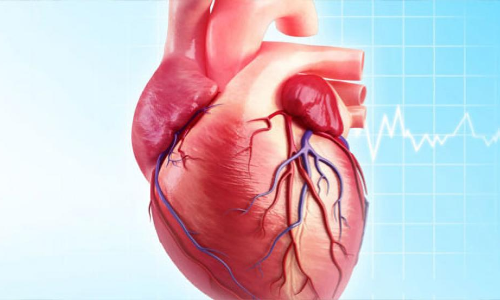
Dr Khilnani added that pollution impacts not only the lungs but also vital organs such as the heart, brain, kidneys, and endocrine system.
He also discussed the limited effectiveness of air purifiers, noting that while they can improve indoor air quality, they must be kept on continuously and placed close to users in sealed rooms. Although the WHO questions their overall health benefits, he recommends their use for individuals with chronic respiratory or cardiac conditions who are confined indoors.
Next Story