Kolkata Law College Shuts Down Following Rape Case As Students Demand Campus Safety Reforms

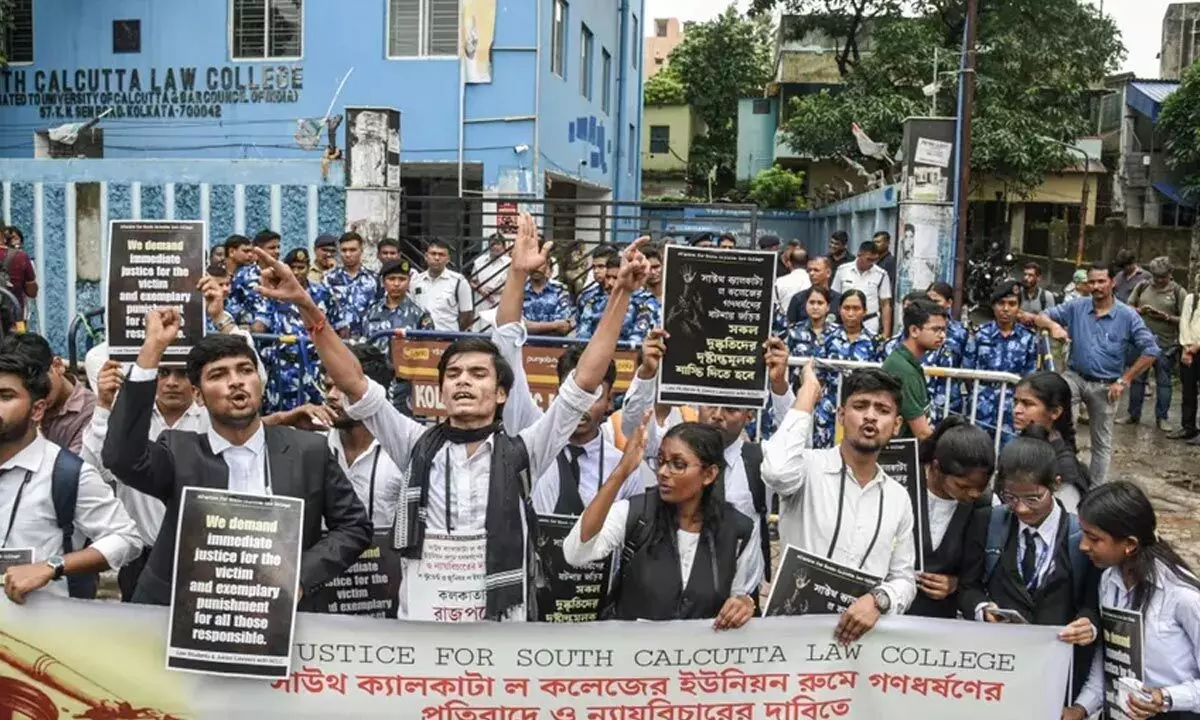
Kolkata law college suspends classes indefinitely after alleged rape of 24-year-old student as students submit comprehensive demands for campus safety, political reforms, and structural accountability measures.
A prominent Kolkata law college has announced the indefinite suspension of all academic activities following the alleged rape of a 24-year-old female student on campus, prompting widespread student protests and demands for comprehensive institutional reforms. The college's governing body issued an official notification on Sunday declaring that all undergraduate and postgraduate classes would remain suspended while the campus premises stay closed to students until further notice.
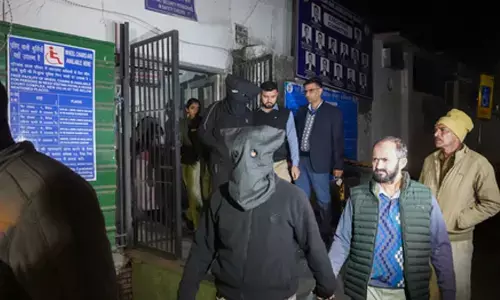
The devastating incident occurred on June 25 when the female student was allegedly assaulted in the security guard's room on the college campus. Law enforcement authorities have arrested four individuals in connection with the case, including the primary accused, Monojit Mishra, a 31-year-old former student who was working as a contractual staff member at the institution. The arrest of multiple suspects has highlighted serious security lapses and raised questions about the college's screening and monitoring procedures for both current and former students with campus access.
In response to the traumatic incident, law students organized themselves to present a comprehensive memorandum to the vice principal, outlining their grave concerns about campus safety and demanding immediate structural reforms. Their detailed submission painted a disturbing picture of an institutional environment that has been systematically compromised over time, citing repeated malpractices that have gone unchecked and continue to threaten student welfare.
The student memorandum explicitly identified political interference, administrative negligence, and lack of structural accountability as root causes of the deteriorating campus environment. Students argued that these systemic issues have created conditions where both safety standards and academic quality have been severely compromised, necessitating immediate and comprehensive intervention to restore institutional integrity.
Central to the students' demands is the establishment of a strictly apolitical campus environment, with complete prohibition of political unit formation or activities until the next scheduled student body elections. This demand reflects widespread concern among students that political interference has undermined the college's primary educational mission and created an atmosphere where misconduct can flourish without appropriate consequences.
The comprehensive security overhaul demanded by students includes mandatory installation of CCTV surveillance systems throughout the campus infrastructure. Their detailed requirements specify coverage for all entry and exit points, corridors, classrooms, libraries, staircases, union rooms, and common areas to ensure complete transparency and serve as a deterrent against future misconduct. This technological solution represents students' understanding that effective monitoring is essential for preventing similar incidents.
Students have also called for the creation of a dedicated grievance redressal mechanism that would be accessible through both online and offline channels, ensuring that concerns can be raised and addressed promptly without fear of retaliation. This demand reflects their recognition that effective communication channels between students and administration are crucial for maintaining a safe learning environment.
The memorandum emphasizes the need for comprehensive accountability measures that extend beyond addressing isolated incidents to tackle what students describe as a broader institutional culture of tolerance for illegal and disruptive behavior. They specifically highlighted the connection between such tolerance and political affiliations, suggesting that political considerations have previously prevented appropriate disciplinary action.
Academic quality concerns feature prominently in the student demands, with calls for revival of essential legal education activities including moot court sessions, legal aid camps, debates, and student academic forums. Students argue that the decline in these activities has undermined their professional development and legal training, necessitating immediate action to restore educational standards.
The students have demanded strict enforcement of academic calendars and scheduled class timings, along with implementation of penalty systems for habitual defaulters among both students and faculty members. This demand reflects their frustration with irregular academic schedules that have disrupted their educational progress and undermined the institution's credibility.
Security and administrative concerns extend to specific infrastructure issues, including demands for secure access to the union room with keys held by neutral college authorities rather than allowing unauthorized control by students or staff members. This requirement demonstrates students' awareness of how physical spaces can be misused when proper oversight is lacking.
The establishment of an active Internal Complaints Committee under the Prevention of Sexual Harassment Act represents another critical demand, with students specifying that if the current committee is inactive or compromised, victims should be guided to file complaints with higher authorities including the University Grants Commission or Ministry of Education.
Students have called for creation of a non-political student safety committee tasked with conducting awareness drives, raising safety concerns, and representing victims without fear of institutional retaliation. This demand reflects their understanding that peer support and advocacy are essential components of a comprehensive safety framework.
The memorandum includes demands for zero-tolerance policies regarding drugs, violence, and sexual misconduct, coupled with fair and independent inquiry procedures. Students have also requested access to professional counselling and mental health services, suggesting appointment of full-time counsellors or partnerships with specialized mental health organizations.
Mandatory cooperation with law enforcement represents another key demand, with students insisting that the college provide all relevant CCTV footage and evidence from the incident to police authorities while fully supporting the investigation process. They have also called for establishment of an independent women's grievance redressal cell specifically designed to address issues affecting female students.
The comprehensive nature of these demands reflects students' recognition that the recent incident is symptomatic of deeper institutional problems requiring systematic reform rather than superficial changes. Their insistence on fair and democratic student council elections limited to current students, conducted according to statutory provisions, demonstrates their commitment to restoring proper governance structures that can prevent future institutional failures and ensure student welfare remains the college's primary priority.