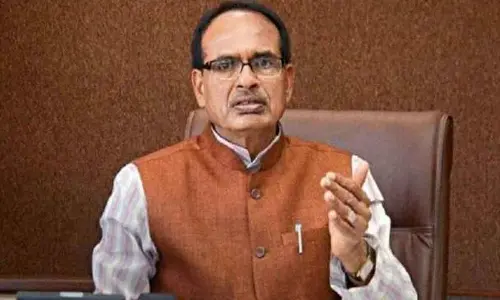
Jagdeep Dhankhar's Vice Presidential Resignation Stemmed From Long-Standing Disputes With Government

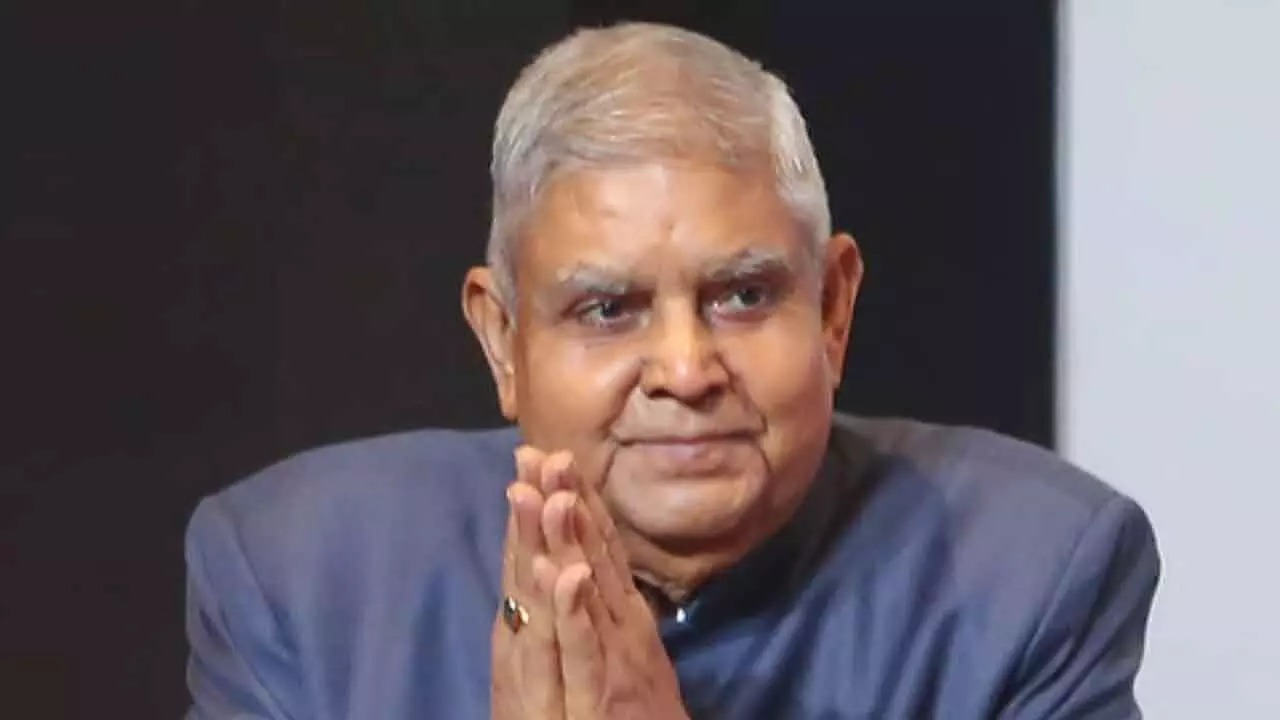
Former Vice President Jagdeep Dhankhar's shock resignation followed months of tensions over protocol demands and his decision to accept Opposition impeachment motion despite government objections.
The dramatic resignation of Jagdeep Dhankhar from the Vice President's office has revealed a complex web of tensions that had been escalating between him and the central government for months before reaching a breaking point over an Opposition-backed impeachment motion against Justice Yashwant Varma.
Sources indicate that Dhankhar's conflicts with the government extended far beyond the immediate controversy surrounding the judicial impeachment motion. The former Vice President had reportedly been making various protocol-related demands that created friction with the administration, including requests for his photograph to be displayed alongside those of the Prime Minister and President in ministerial offices, and persistent pressure to upgrade his entire vehicle fleet to Mercedes-Benz cars.
The final confrontation emerged when Dhankhar maintained contact with a senior Congress leader regarding the motion to impeach Justice Varma, who had been embroiled in controversy after a significant cash recovery from his residence earlier this year. Despite the government's awareness of these communications, Dhankhar proceeded to formally accept the Opposition's signatures for the impeachment motion.
The administration made three separate attempts to dissuade the Vice President from unilaterally accepting the Opposition proposal. Parliamentary Affairs Minister Kiren Rijiju, Law Minister Arjun Meghwal, and Rajya Sabha Leader JP Nadda all urged Dhankhar to delay his decision, explaining that efforts were underway to build consensus for a joint impeachment motion that would include both ruling party and Opposition members.
Government officials had informed Dhankhar well in advance that they intended to pursue an impeachment motion against Justice Varma in both houses of Parliament. Rijiju had communicated this intention to the Vice President four to five days before the Monsoon Session began, and reiterated the message again just one day before the session started, by which time the government had already secured signatures from both ruling party and Opposition members in the Lok Sabha.
However, after meeting with Opposition leaders over the weekend, Dhankhar made it clear he would proceed independently. On Monday morning, it became apparent that he had committed to formally announcing the Opposition's motion in the House, prompting the government's repeated interventions.
The attempts to change his mind proved futile. In the first meeting, both Nadda and Rijiju approached the Vice President together. The second intervention involved Rijiju and Meghwal, while the final attempt saw only Meghwal meeting with Dhankhar to emphasize the importance of maintaining government confidence and including ruling party signatures.
Earlier tensions had also surfaced around protocol issues during high-profile diplomatic visits. When US Vice President JD Vance was scheduled to visit India, Dhankhar reportedly insisted on conducting the primary high-level meeting himself, arguing that as fellow Vice Presidents, he was Vance's natural counterpart. A senior Cabinet minister had to clarify that while Vance held the Vice Presidential title, he was actually carrying a message from the US President specifically for Prime Minister Modi.
These accumulated grievances created an atmosphere of mistrust that culminated in Dhankhar's defiant announcement of the Opposition motion despite government objections. Recognizing that his position had become untenable, he proceeded directly to Rashtrapati Bhavan without prior notice, waited approximately 25 minutes, and submitted his resignation to the President.
Following his resignation submission, Dhankhar reportedly hoped until the next morning that the government might attempt to persuade him to reconsider or that his resignation might be rejected. However, no such outreach materialized, as the administration had already concluded that his departure was necessary.
The Vice President's unexpected decision to side with the Opposition prompted Prime Minister Modi to convene urgent consultations with senior aides, including the Home Minister. Sources suggest that Modi expressed profound disappointment with Dhankhar's conduct, particularly given that he had been the NDA's chosen candidate for the Vice Presidential position in 2022.