Iran–US conflict has repriced globalisation, impacting markets

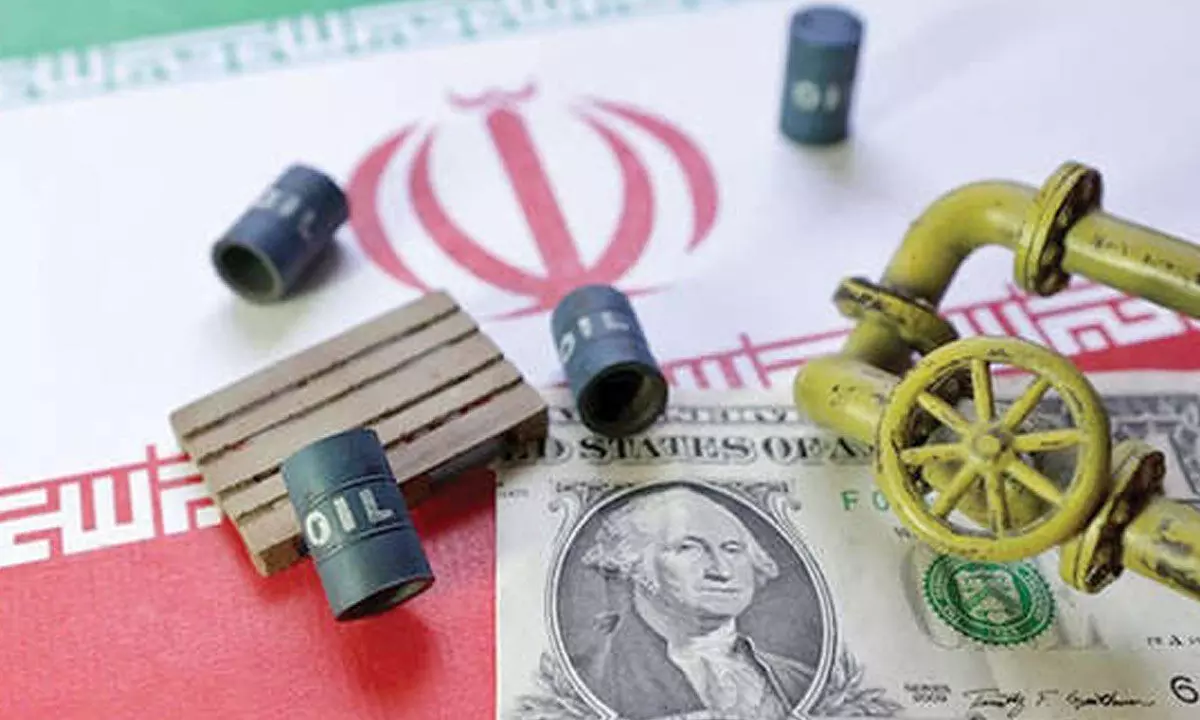
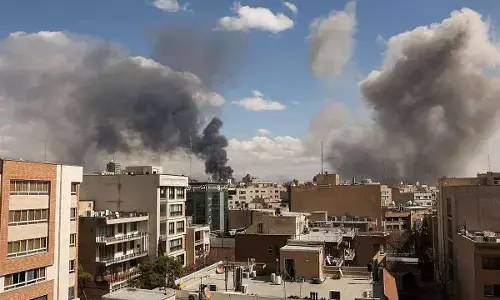
New Delhi: The Iran–US war is no longer being measured only in missiles fired or bases hit. Nations across Asia are now pricing the cost of the war, by the barrel, by the stock market crash, and by the cancelled flight.
What is unfolding is not a temporary shock but a repricing of risk across energy, mobility, finance, and supply chains that were built on the assumption that chokepoints would remain open even in crisis.
Everything begins with the Strait of Hormuz, the narrow maritime corridor between Iran and Oman, that carries roughly 25 per cent of global oil consumption and about one-fifth of the world’s liquefied natural gas.
“Markets are already assigning a structural geopolitical premium as the straits has virtually shut down in the face of a war, and this is being reflected by rising oil prices, insurance costs, convoy risks, and slower flows,” pointed out Prof Biswajit Dhar, former WTO Chair at the Indian Institute of Foreign Trade.
Brent crude deliveries with settlement on March 20, traded at over USD 67 on Saturday, and is expected to cross USD 70 in the days ahead. War-risk insurers have already issued cancellation notices for shipping vessels transiting the critical oil chokepoint ahead of markets reopening on Monday.
Some market experts expect the insurance risk premium for ships going through the war-ravaged straits to go up to 50 per cent from a current 0.25 per cent of ship replacement value. The price trajectory now hinges on three escalation paths. If hostilities stop short of major disruption, oil markets could mirror past regional shocks, with prices settling into an increased but manageable range. If the strait is shut down, the loss of oil and LNG flows would almost certainly push prices sharply higher, embedding inflation into the global economy.
The most destabilising scenario would combine a closure with direct attacks on Gulf production facilities, sending prices surging into territory that would overwhelm import-dependent economies with crude crossing USD 100 a barrel. The crux of the problem is that the Gulf and Suez canal-way represent the waterways for routing oil and shipping between Asia and Europe at reasonable costs.
Rerouting tankers via the Cape of Good Hope or relying on naval escorts for cargo shipping slows delivery, inflates insurance premiums, and locks inefficiency into the system. Otherwise, a Hormuz shutdown makes higher prices almost inevitable. The economic epicentre of this shock lies in Asia, with China, India, Japan, and South Korea being hit the most as these energy-deficient powerhouse economies remain heavily reliant on Gulf energy that transits Hormuz. For them, rising prices translate quickly into inflation, wider trade deficits, and pressure on their currencies. India’s rupee has started depreciating again and is trading at over R 91 to the dollar, up by Re 1 in a month, and is expected to fall further if the war continues. India’s exposure is particularly acute. Two-thirds of India’s crude oil imports and over half of India’s merchandise trade with Europe and North Africa pass via Suez or Hormuz.
The cost of shipping all these supplies and exports has been going up for quite some time, and can be expected to rise further. A sustained rise feeds directly into transport and food inflation, eroding household purchasing power, hitting the poorest hardest, as much of the rise would be in food inflation, which takes up the largest chunk of the typical budget of a poor family.
Growth and fiscal management, of course, are the other two areas that take a hit.
Diversification toward suppliers in Russia, the United States, and West Africa could reduce dependence but cannot fully offset Gulf volumes in the short term. Similarly, strategic petroleum reserves provide weeks, not months, of cover.
Subsidies, tax cuts, or excise adjustments on motor and industrial fuels can blunt consumer pain but will also shift the burden onto government balance sheets and result in a wider fiscal deficit in the years ahead.