India's Jaishankar Engages Iran's Foreign Minister On West Asia Crisis And Bilateral Relations

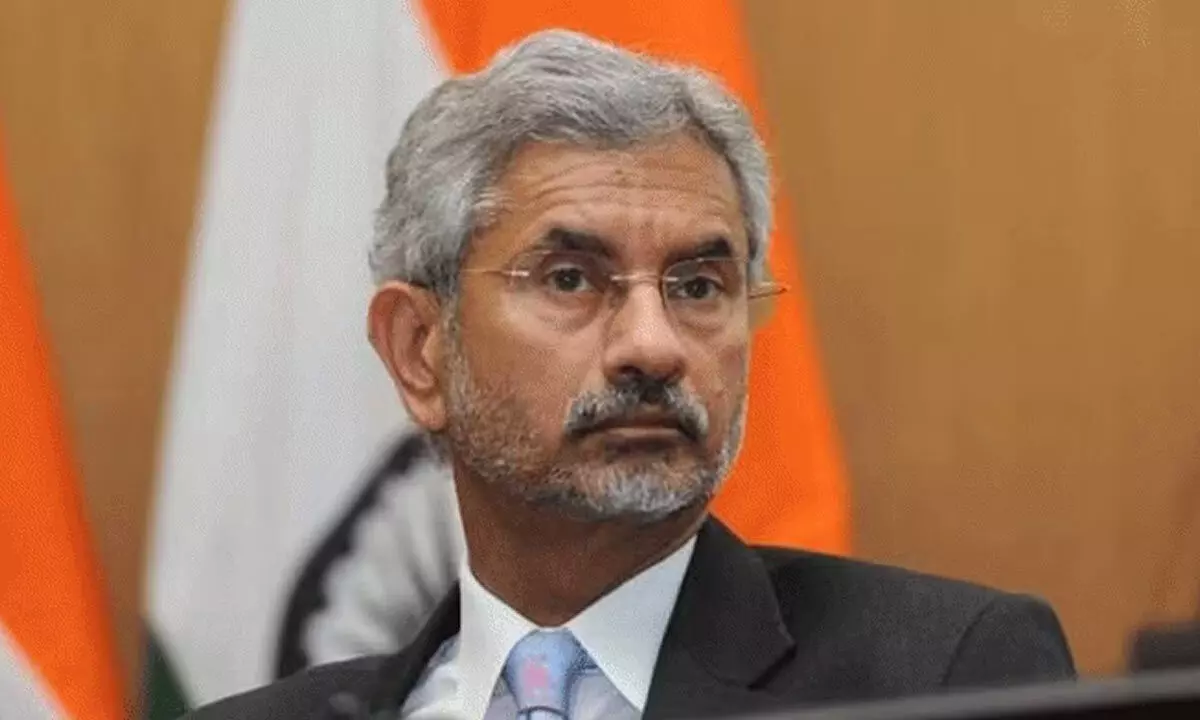
S Jaishankar
External Affairs Minister S Jaishankar held telephonic discussions with Iranian Foreign Minister Abbas Araghchi regarding regional tensions, ceasefire developments, and India's evacuation operations from conflict zones.
External Affairs Minister S Jaishankar conducted a telephone conversation with Iranian Foreign Minister Seyed Abbas Araghchi on Friday, focusing on the deteriorating security situation in West Asia and strengthening bilateral diplomatic ties between the two nations.
According to an official statement from Iran's Foreign Affairs Ministry, the discussion centered on recent aggressive actions by the United States and Israel against Iranian territory, with both ministers examining the broader implications for regional stability. The conversation addressed the evolving dynamics in West Asia following escalated military confrontations that have significantly impacted the geopolitical landscape.
During the call, Araghchi provided Jaishankar with Iran's official perspective on the current crisis, strongly criticizing what Tehran considers violations of international law and direct attacks on Iranian sovereignty. The Iranian Foreign Minister called upon the international community to hold responsible parties accountable for their actions and to take decisive steps to prevent further escalation of hostilities.
Jaishankar expressed India's appreciation for the recently announced ceasefire agreement, indicating hope that the temporary halt in fighting would contribute to reducing regional tensions and creating space for diplomatic solutions. The Indian External Affairs Minister acknowledged Iran's continuous efforts to maintain diplomatic engagement despite the challenging circumstances and thanked Tehran for its cooperation in consular matters between the two countries.
The conversation also covered Iran's assistance in facilitating the evacuation of Indian nationals from the conflict zone. Jaishankar specifically thanked Araghchi for Tehran's support in helping hundreds of Indians safely leave Iranian territory as part of India's broader evacuation efforts in the region.
Following the discussion, Jaishankar shared his perspective on social media, stating his appreciation for Araghchi's insights into Iran's position and strategic thinking during the current complex regional situation. The Indian minister emphasized the value of maintaining open communication channels during such critical periods.
India has been actively conducting evacuation operations under the codename Operation Sindhu, which was launched on June 18. According to Ministry of External Affairs spokesperson Randhir Jaiswal, India has successfully evacuated 3,426 Indian nationals from Iran and 818 from Israel as part of this comprehensive operation. The spokesperson noted that approximately 10,000 Indians reside in Iran, while around 40,000 Indian nationals are present in Israel.
The backdrop to these diplomatic discussions involves significant military actions that began on June 13, when coordinated bombing campaigns by Israel and the United States targeted Iran's nuclear infrastructure. These strikes included a major assault involving US bunker-buster bombs that specifically targeted uranium enrichment facilities, causing substantial damage to Iran's nuclear program and reportedly setting back the country's nuclear ambitions.
The military confrontation escalated dramatically as both sides engaged in multiple missile exchanges, resulting in casualties among hundreds of individuals and injuring thousands of civilians. The sustained attacks caused considerable infrastructure damage and heightened fears of a broader regional conflict that could destabilize the entire Middle East.
US President Donald Trump announced a ceasefire agreement between Iran and Israel early Tuesday, providing a temporary respite from the intense military exchanges. The ceasefire has created an opportunity for diplomatic interventions and efforts to prevent the conflict from expanding further.
The India-Iran conversation reflects New Delhi's careful diplomatic approach to regional crises, maintaining dialogue with all parties while prioritizing the safety of Indian citizens abroad. India's balanced stance allows it to engage constructively with both sides of the conflict while focusing on humanitarian concerns and regional stability.