India Keeps Negotiation Window Open Amid Trump’s 50% Tariffs, But Farmers And MSMEs Are Red Lines

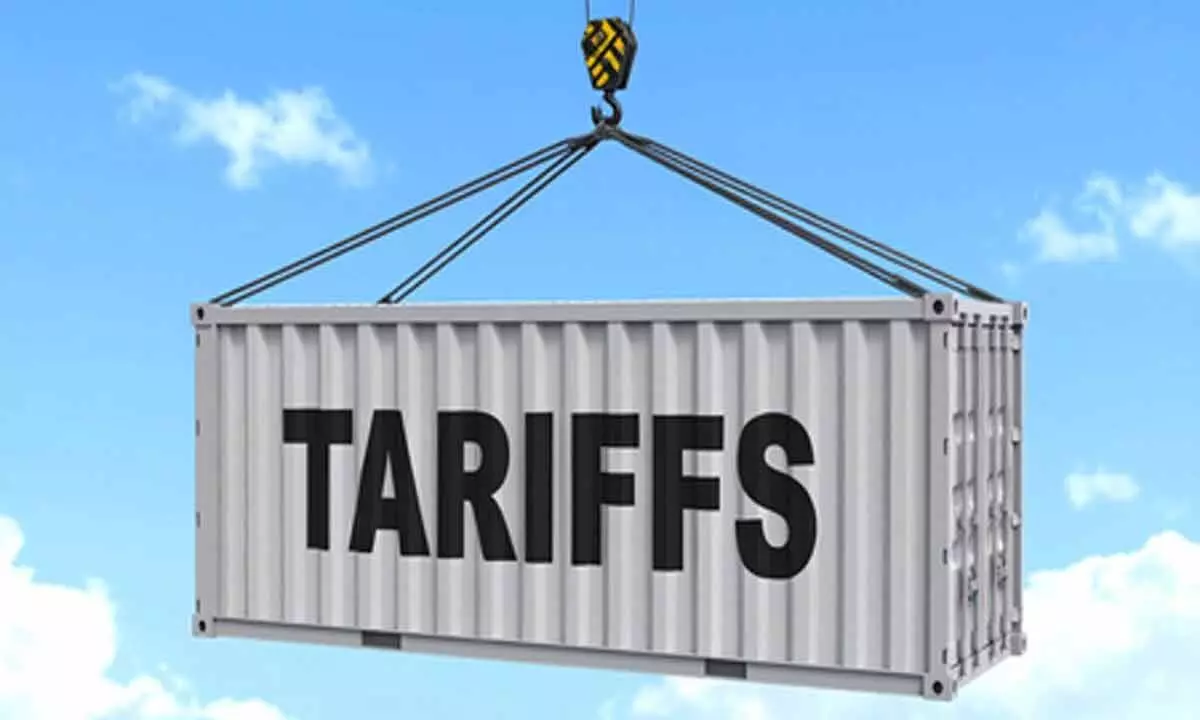
As Donald Trump’s 25% punitive tariff on India’s Russian oil imports takes effect, raising total US duties on Indian goods to 50%, New Delhi calls the move “unjustified” but remains open to trade talks—while firmly protecting farmers, small producers, and MSMEs.
The Trump administration’s decision to impose a 25% punitive tariff on India for purchasing Russian crude oil came into effect on Wednesday, doubling overall US duties on Indian exports to as high as 50%. The measures, which apply to key sectors such as garments, gems, jewellery, footwear, furniture, and chemicals, follow an earlier reciprocal 25% tariff.
Indian officials described the penalties as “unjustified” but stressed that New Delhi’s response has been measured and responsible. Contacts with Washington are ongoing to explore a possible trade deal, though India has made it clear it will not compromise on the interests of farmers, small producers, and MSMEs.
Sources highlighted the inconsistency in US actions, pointing out that no similar penalties were imposed on countries such as China, which import far greater volumes of Russian oil. They noted the additional tariff was never part of the trade negotiation framework agreed upon in April and expressed hope that the measure may only be temporary.
The tariff escalation has added strain to India-US ties, which had seen steady progress in recent years across defence, technology, energy, and security cooperation. In 2024, bilateral trade in goods stood at -$129 billion, with India’s exports worth -$87 billion to the US. Exporter groups warn that nearly 55% of these exports could be hit, benefiting competitors like Vietnam, Bangladesh, and China.
Prime Minister Narendra Modi reiterated earlier this week that his government will stand firm in defending the interests of farmers and small entrepreneurs, despite international pressure. External affairs minister S Jaishankar also identified trade disputes, Russian energy imports, and Washington’s stance on India-Pakistan issues as the three key challenges in current relations.
Despite the tariff tensions, institutional engagement continues, with both nations recently holding 2+2 talks covering trade, energy security, defence, and counter-terrorism.
Next Story