Himachal Pradesh Devastated By Monsoon Fury: Death Toll Reaches 37 with Property Losses Exceeding ₹400 Crore

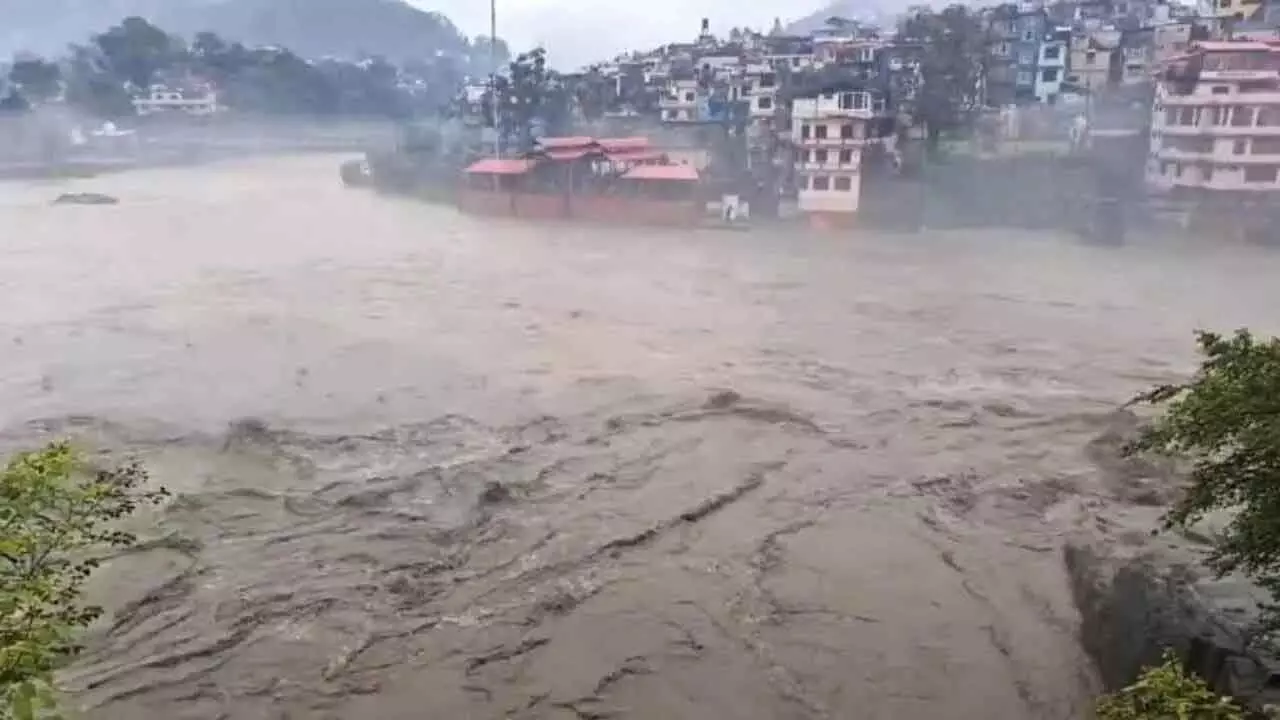
- Relentless monsoon rains wreak havoc across Himachal Pradesh, killing 37 people and causing over ₹400 crore in damages.
- IMD issues rain alert until July 7 as rescue operations continue in worst-hit Mandi district.
The India Meteorological Department has extended its heavy rainfall warning for Himachal Pradesh through July 7, indicating that the state's ordeal is far from over. Weather forecasters predict continued intense precipitation, prompting authorities to maintain maximum alert levels across vulnerable areas.
Mandi district has borne the brunt of nature's fury, with the Thunag subdivision experiencing particularly severe devastation. Transportation networks have collapsed with roads rendered completely impassable, while critical infrastructure including power supply and water distribution systems have suffered extensive damage. The district reports 40 individuals currently missing, with search and rescue teams working around the clock to locate survivors.
DC Rana, Special Secretary of the State Disaster Management Authority and Revenue Department, addressed the severity of the situation during a Wednesday press conference, stating that recorded losses have surpassed ₹400 crore according to their tracking systems. However, he emphasized that the true extent of destruction likely far exceeds these preliminary figures, with immediate priorities focused on search operations, victim rescue, and essential service restoration.
The humanitarian crisis has prompted swift response measures, including the establishment of emergency relief centers and aerial food distribution by the Indian Air Force to isolated communities. Entire villages have been obliterated by the monsoon's intensity, with one settlement in Mandi completely destroyed according to official reports.
Restoration efforts involve coordinated deployment of senior officials alongside specialized teams from the Public Works Department, Electricity Board, and Jal Shakti Department. These multi-agency teams are working systematically to restore basic services and assess infrastructure damage across the most severely impacted zones.
The casualty figures paint a grim picture of the disaster's human cost, with 37 deaths directly attributed to weather-related incidents and an additional 26 fatalities resulting from rain-induced road accidents during the same timeframe. The combined death toll underscores the widespread danger posed by the ongoing meteorological crisis.
Infrastructure damage has been equally devastating, with over 250 roads blocked statewide, more than 500 electricity transformers knocked offline, and approximately 700 drinking water supply schemes disrupted. These numbers represent a significant portion of the state's essential services network, highlighting the scope of reconstruction challenges ahead.
Environmental experts and officials have linked the unprecedented rainfall intensity to broader climate change patterns. DC Rana noted that these extreme weather events reflect the global warming phenomenon's impact on Himachal Pradesh, emphasizing that the state cannot remain immune to worldwide climate shifts.
The state capital Shimla has not escaped the monsoon's wrath, with daily routines severely disrupted across the city. Educational institutions have been particularly affected, with many schools experiencing flooding that has made normal operations impossible. Students report fear and discomfort as water infiltrates classrooms, soaking personal belongings and learning materials.
Tanuja Thakur, a Shimla student, described the challenging conditions to news agency ANI, explaining how heavy rainfall has penetrated school buildings, saturating clothing and textbooks. Educational authorities have advised students to remain home for safety reasons given the dangerous conditions.
The psychological impact on students is evident, with many expressing anxiety about potential tree collapses around school premises. While no injuries have been reported from falling trees at educational facilities, the constant threat creates an atmosphere of uncertainty and fear among the student population.
Emergency response coordination involves multiple agencies working in concert, including local administrative units, police forces, Home Guards, the State Disaster Response Force, and central government teams including the National Disaster Response Force. This comprehensive approach ensures maximum resource deployment for ongoing rescue operations.
Authorities maintain heightened vigilance as meteorological predictions suggest continued adverse weather conditions. The state government has activated all available disaster management protocols while monitoring the situation continuously to respond to emerging challenges as the monsoon season progresses.