High Court Approves Religious Festivities At Historic Kolhapur Shrine Following Administrative Delays

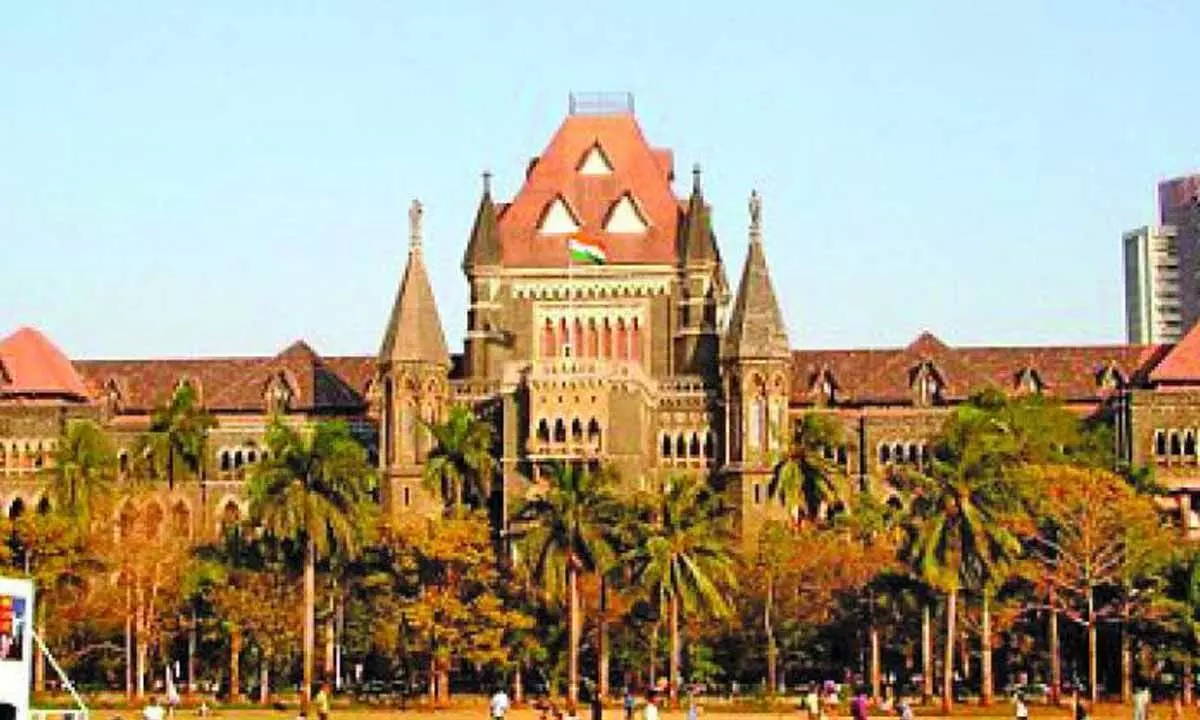
Bombay High Court permits animal sacrifice for Eid al-Adha and Urs celebrations at Vishalgad Fort dargah in Kolhapur, criticizing authorities for delaying response to religious festival application and reaffirming previous year's judicial approval.
The Bombay High Court has granted permission for traditional religious observances at a historic Kolhapur shrine, allowing animal sacrifice during Eid al-Adha and the annual Urs festival while sharply criticizing government officials for their sluggish response to the application. The judicial decision ensures that centuries-old religious traditions can continue without administrative interference.
Justices Dr Neela Gokhale and Firdosh Poonawalla, forming the presiding bench, emphasized that their court had previously authorized these religious celebrations in 2024, making the current approval a continuation of established judicial precedent. The judges expressed frustration with administrative authorities who failed to act promptly on the dargah's formal request for festival permissions.
Hajrat Peer Malik Rehan Mira Saheb's dargah, situated within the historic Vishalgad fort complex in Kolhapur, approached the High Court through legal representatives Satish Talekar and Madhvi Ayappan. The shrine's management had submitted comprehensive applications to various government departments requesting authorization for animal sacrifice on June 5-6, 2025, coinciding with Eid al-Adha, followed by the Urs festival scheduled from June 7-12.
Despite submitting these applications well in advance, the petitioners argued that government authorities had remained unresponsive, creating uncertainty about the shrine's ability to conduct its traditional religious observances. This administrative inaction forced the dargah management to seek judicial intervention to ensure their constitutional right to practice religious customs.
The annual Urs celebration holds profound spiritual significance for devotees, as it commemorates the death anniversary of Peer Saheb through elaborate three-day festivities held twice yearly. The first observance follows Eid al-Adha in June, while the second occurs from January 12-14 each year. According to religious tradition, followers believe that Hazrat Peer Malik Saheb's spirit descends to earth during these sacred occasions.
The petition highlighted a remarkable aspect of the shrine's mystical reputation, noting that a silver gate constructed near Peer Saheb's tomb allegedly opens spontaneously on the first day of Urs without human intervention. This phenomenon adds to the festival's spiritual significance and draws numerous pilgrims to witness what believers consider a divine miracle.
The court's decision builds upon the previous year's legal precedent, when authorities initially refused permission for the religious celebrations, prompting successful judicial intervention. The 2024 ruling not only authorized the festivities but also resulted in judicial criticism of officials who had misinterpreted the court's directives. The current ruling reaffirms that the previous judicial order remains applicable for this year's celebrations, ensuring continuity in religious practice while establishing clear legal guidelines for future observances.