Heatwave Alert: IMD Predicts 40°C+ in Delhi, North India

Heatwave Alert: IMD Predicts 40°C+ in Delhi, North India
IMD issues yellow alert as Delhi and parts of North India face 40°C+ temperatures. Public advised to avoid heat exposure and stay hydrated.
The India Meteorological Department (IMD) has warned that northern and central India will experience temperatures exceeding 40 degrees Celsius this week, prompting a yellow alert for the region. Officials indicated that the warning covers states including Haryana, Punjab, Rajasthan, and Gujarat, with the capital city of Delhi expecting a peak of 41 degrees Celsius on Monday afternoon.
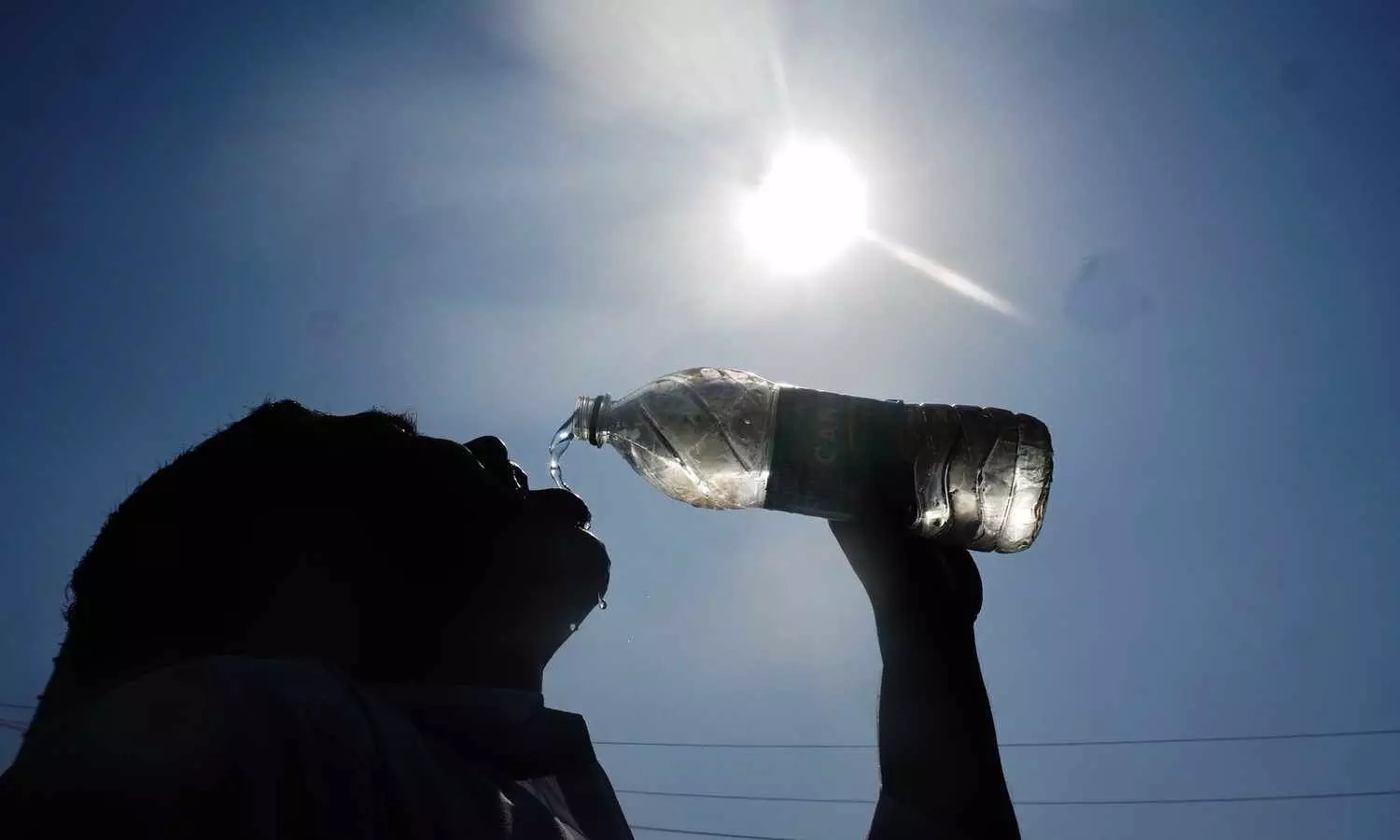
Authorities explained that the yellow alert signals conditions that are generally tolerable for most residents. However, individuals such as infants, the elderly, and those with chronic illnesses may face moderate health risks. The advisory recommends that people limit outdoor exposure during peak heat hours, wear light, breathable clothing, and use head coverings or umbrellas when outside.
Recent observations in Delhi recorded a maximum temperature of 38.2 degrees Celsius on Sunday. This figure contrasts with last year’s average of 37 degrees Celsius, a reflection of the trend where heatwaves arrive earlier and extend longer than usual. IMD forecasts and advisories come amid an extended period of intense heat affecting the northern and central plains of India.
In related comments last week, IMD chief Mrutyunjay Mohapatra noted that a majority of India is set to experience above-normal temperatures throughout the summer. He mentioned that states such as Uttar Pradesh, Jharkhand, Chhattisgarh, and Odisha might register up to 10 or 11 days of heatwave conditions, with certain parts of north, east, and central India experiencing additional heatwave days relative to historical norms.
Industry experts have pointed to shifts in seasonal patterns as a contributing factor. Mahesh Palawat, vice president of meteorology and climate change at a leading weather forecasting firm, observed that the transition from winter to summer is occurring with reduced influence from spring, thereby accelerating temperature increases as clear skies and diminishing wind speeds prevail.
Records from the previous year indicate that Rajasthan experienced a historic high of 50.5 degrees Celsius, with over 40,000 reported cases of heatstroke. In Delhi, a sensor error once produced a recorded temperature of 52.9 degrees Celsius, which was later corrected by government officials. Official data from 2024 reported nearly 150 heatwave-related deaths, although some independent assessments suggest that the actual numbers may have been higher.