
From 97.5% To Zero Tax: India's Remarkable Journey Of Income Tax Reform

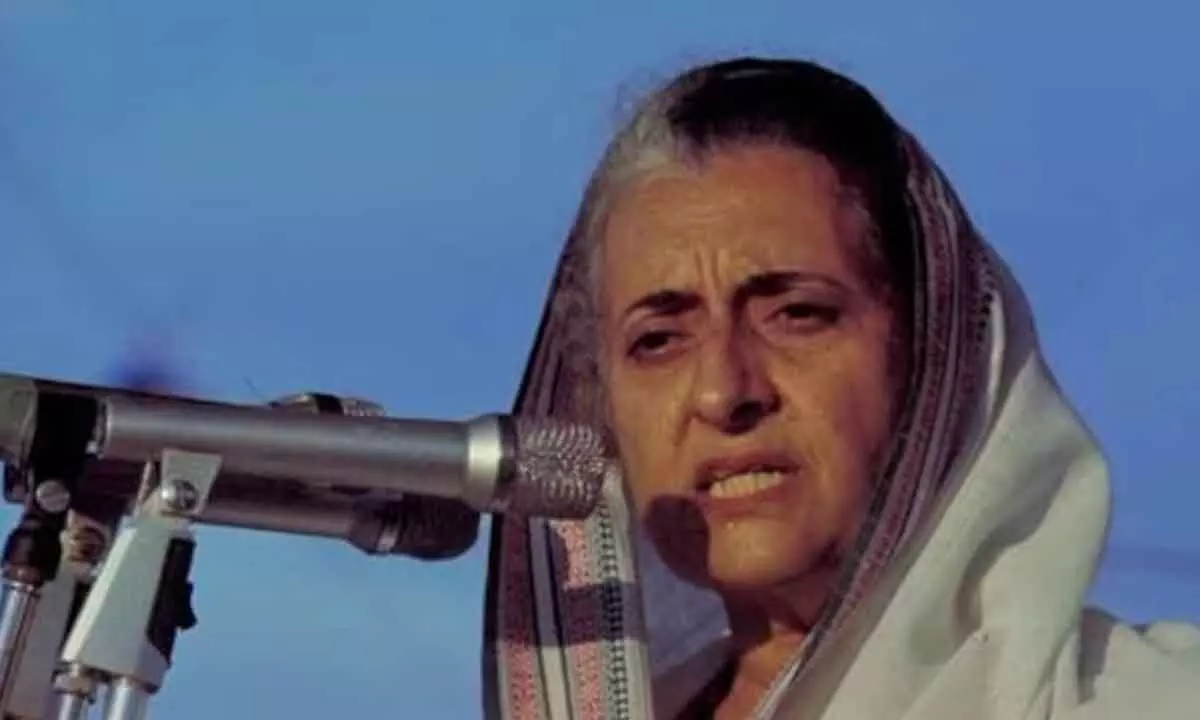
Trace the evolution of India's income tax rates from Indira Gandhi's astronomical 97.5% peak to the current government's tax relief, highlighting the economic philosophy behind these transformative changes.
The document reveals a fascinating chronicle of India's income tax policy transformation, spanning several decades and illustrating the dramatic shift from punitive taxation to taxpayer-friendly approaches.
During the 1970s, under Prime Minister Indira Gandhi's leadership, India experienced an extraordinary taxation era characterized by extreme progressive tax rates. At its peak, the income tax rate reached an astonishing 97.5%, effectively meaning that for every ₹100 earned above ₹2 lakh, an individual would take home a mere ₹6.50.
Gandhi's taxation philosophy was rooted in socialist principles, viewing taxation as a mechanism to achieve income and wealth equality. However, this approach had significant unintended consequences. The excessively high tax rates triggered widespread tax evasion, ultimately rendering the policy counterproductive.
The document traces a gradual but consistent rationalization of tax rates. Key milestones include:
- 1970-71: 11 tax brackets with rates reaching 93.5%
- 1973-74: Peak rate increased to 97.5%
- 1974-75: Marginal rate reduced to 77%
- 1976-77: Further reduction to 66%
- 1985-86: Simplified to four tax slabs with highest rate at 50%
- 1991-92: Tax reforms based on expert committee recommendations
- 1992-93: Streamlined to three slabs of 20%, 30%, and 40%
- 1997-98: Rates adjusted to 10%, 20%, and 30%
The narrative culminates in the 2025-2026 Budget, where Finance Minister Nirmala Sitharaman announced a revolutionary tax relief. Individuals earning up to ₹12 lakh will now pay zero income tax, with salaried employees effectively exempted up to ₹12.75 lakh after standard deduction.
This transformation reflects a nuanced understanding that balanced taxation can stimulate economic growth. By leaving more money in the hands of the middle class, the government aims to boost consumption and overall economic momentum.
The journey from 97.5% to zero tax symbolizes India's economic evolution—from a stringent, centrally controlled model to a more dynamic, growth-oriented approach that balances social welfare with economic pragmatism.


