Delhi Drowns As Yamuna River Wreaks Havoc Across Capital Region

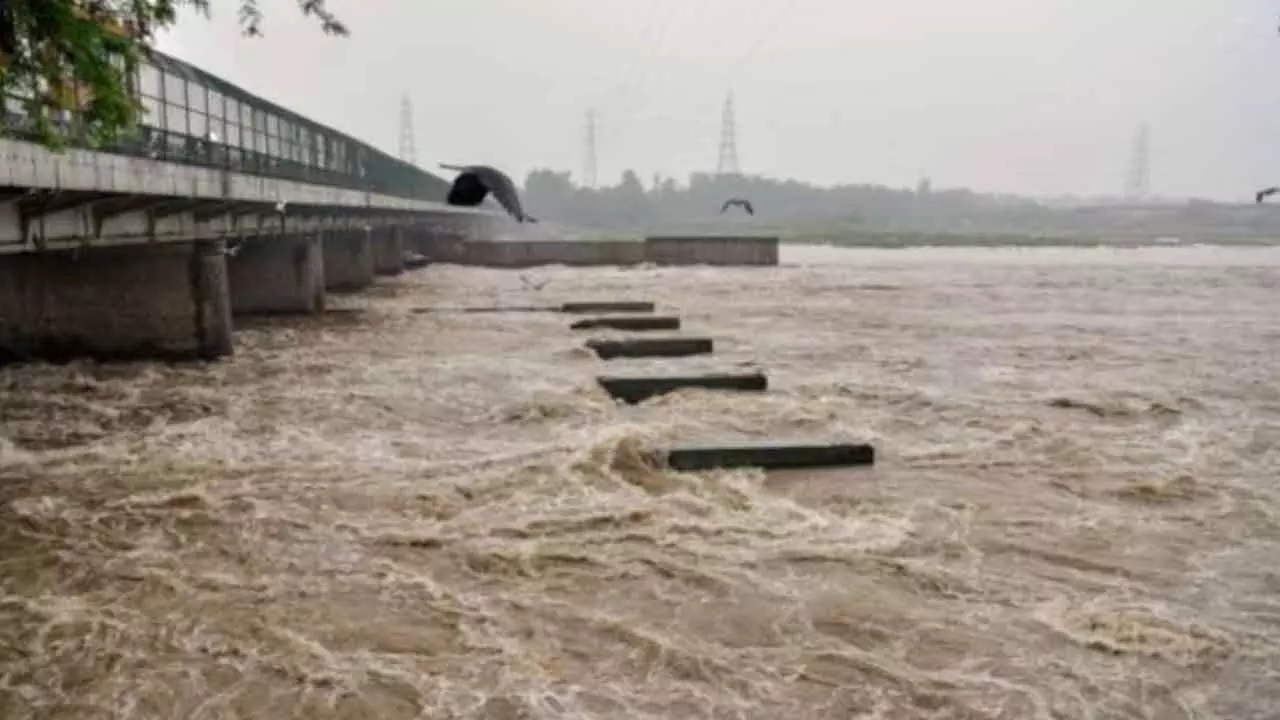
Devastating floods in Delhi-NCR force mass evacuations, submerge relief camps, and collapse infrastructure as the swollen Yamuna River continues its destructive rampage through the national capital.
The national capital region remains in the grip of a devastating flood crisis as the rampaging Yamuna River continues to wreak havoc across Delhi-NCR, leaving thousands displaced and critical infrastructure in ruins. Thursday witnessed scenes of unprecedented destruction as the swollen river, maintaining water levels at 207.47 meters, showed no signs of receding despite brief periods of stability between the early morning hours.
The situation has reached critical proportions with even emergency relief facilities falling victim to the relentless floodwaters. In East Delhi's Mayur Vihar area, relief camps established to shelter families displaced by earlier flooding have themselves been overwhelmed by rising waters, forcing evacuees to seek alternative accommodation as their temporary shelters disappeared beneath the muddy deluge.
Infrastructure collapse has become a defining feature of this crisis. In Alipur, heavy rainfall triggered the partial collapse of a flyover near National Highway 44, creating a massive crater that engulfed a three-wheeler vehicle and left its operator with injuries. The incident highlights the widespread structural vulnerabilities exposed by the extreme weather conditions battering the region.
The flooding has penetrated deep into Delhi's administrative heart, with floodwaters reaching the Delhi Secretariat complex. The underpass adjacent to the Yamuna floodplains has been completely inundated, forcing authorities to close one of the primary access routes to the seat of the capital's government. Emergency crews have deployed suction equipment in desperate attempts to drain the accumulated water, though the area remains largely submerged despite these efforts.
Religious and cultural landmarks have not been spared from nature's assault. The Swaminarayan Temple now appears to emerge from an endless expanse of murky floodwater, while the recently constructed pedestrian bridge connecting the temple to Ring Road has vanished entirely beneath the surging river. These images of submersion have become symbolic of the capital's struggle against the forces of nature.
Even Delhi's most affluent neighborhoods face unprecedented challenges. The prestigious Civil Lines district, known for its elegant colonial-era bungalows and tree-lined avenues, lies partially underwater. Residents of these typically protected areas now confront the same flooding realities affecting less privileged parts of the city. Major commercial and transportation hubs including Kashmere Gate and ITO remained waterlogged throughout Thursday morning, paralyzing normal urban activities.
The crisis has disrupted fundamental social and religious practices across the city. At Nigambodh Ghat, Delhi's largest and most significant cremation facility, funeral ceremonies have been suspended indefinitely after floodwaters invaded the sacred premises. The situation has forced grieving families to the adjacent Geeta Colony crematorium, where rising waters have compelled people to perform final rites on nearby footpaths, adding dignity concerns to an already tragic situation.
Emergency evacuations have become routine as protective infrastructure fails across multiple locations. More than 2,000 residents were forced to abandon their homes in Jharoda Kalan and sections of Najafgarh after a massive 50-foot embankment protecting the Mungeshpur drain collapsed completely. This failure sent torrents of water cascading into low-lying residential areas of southwest Delhi, adding to the growing number of displaced families seeking shelter and assistance.
Weather forecasters offer little immediate hope for relief. The India Meteorological Department initially issued its most severe warnings with red and orange alerts predicting heavy to very heavy precipitation, though these have since been downgraded to yellow alert status. Nevertheless, overcast conditions persist across the region, suggesting continued vulnerability to additional rainfall that could exacerbate current flooding conditions.
The meteorological data reveals the extraordinary nature of this weather event. Delhi's seasonal rainfall total has already surpassed 1,000 millimeters, significantly exceeding the annual average of 774 millimeters that typically accumulates by August's end. This dramatic deviation from normal patterns underscores the exceptional circumstances confronting the capital and surrounding areas.
Despite the widespread devastation, one unexpected positive development has emerged from the crisis. The continuous rainfall and flooding have dramatically improved Delhi's notoriously poor air quality, bringing the Air Quality Index down to 57, classified as 'satisfactory' by environmental standards. This rare occurrence of clean air in the capital provides a silver lining amid otherwise overwhelming challenges.
The ongoing crisis has exposed fundamental vulnerabilities in Delhi's urban infrastructure and emergency preparedness systems. As thousands of residents cope with displacement, property damage, and disrupted essential services, questions arise about the capital's resilience in the face of extreme weather events that may become more frequent due to changing climate patterns.
Recovery efforts continue around the clock as municipal authorities, emergency services, and relief organizations coordinate responses to the multifaceted crisis. However, the immediate priority remains managing the humanitarian emergency while preventing further infrastructure collapse and ensuring the safety of residents still at risk from the unpredictable behavior of the swollen Yamuna River.