Centre Plans To Replace MGNREGA With New Viksit Bharat Rural Jobs Scheme

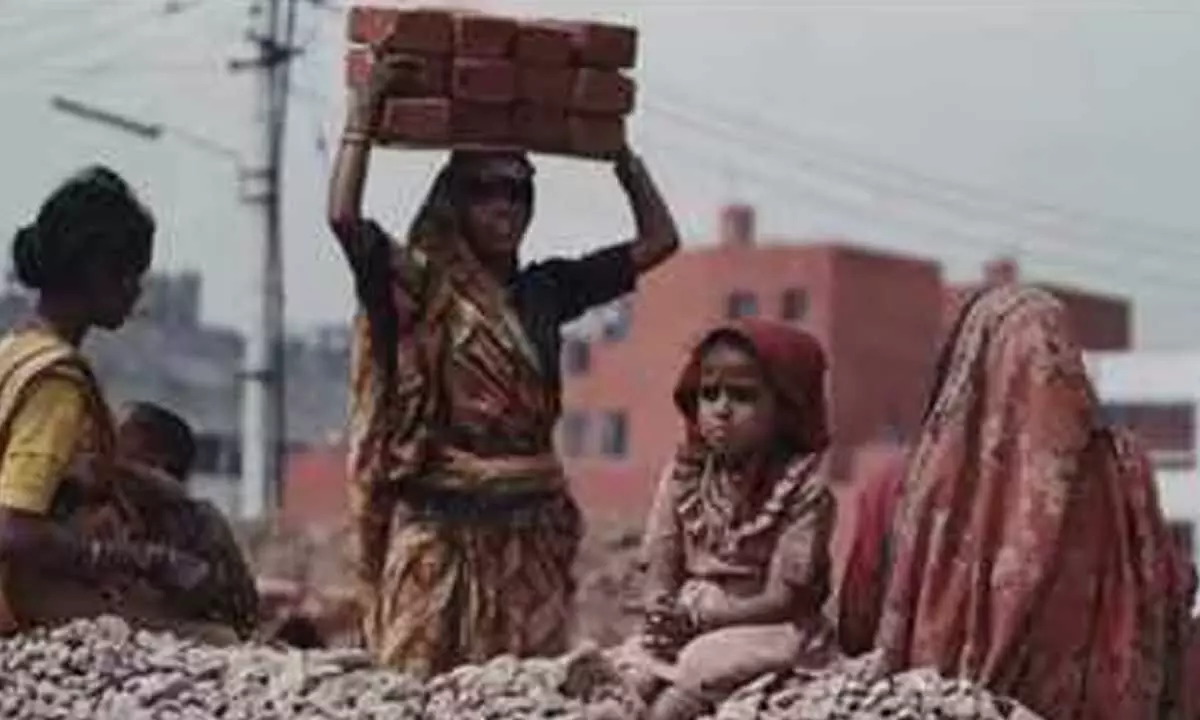
The Centre plans to replace MGNREGA with the Viksit Bharat rural jobs scheme, promising 125 days of work, higher state funding and a new governance framework aligned with Vision 2047.
The Narendra Modi-led Union government is preparing to phase out the Mahatma Gandhi National Rural Employment Guarantee Act (MGNREGA) and introduce a new rural employment programme titled the Viksit Bharat—Guarantee for Rozgar and Ajeevika Mission (Gramin), or VB–G RAM G, through a Bill proposed for 2025.
Under the proposed legislation, rural households will be legally entitled to 125 days of wage employment each financial year for adults willing to undertake unskilled manual work. The scheme is designed to align rural development with the government’s long-term vision of Viksit Bharat @2047, focusing on empowerment, economic growth, convergence of welfare initiatives and saturation of benefits.
The programme will emphasise the creation of public assets that collectively form a national rural infrastructure framework. Priority areas include water conservation and security, essential rural infrastructure, livelihood-supporting assets and specialised projects aimed at reducing the impact of extreme weather events.
Unlike MGNREGA, which was fully funded by the Centre, the new scheme will follow a cost-sharing model. States will bear a higher share of expenditure, with a 90:10 funding split for northeastern states, Himalayan states and certain Union territories, and a 60:40 ratio for other states and legislatures.
The Bill also introduces restrictions on undertaking scheme-related work during peak agricultural seasons to ensure adequate availability of farm labour. Additionally, if employment is not provided within 15 days of an application, eligible applicants will receive a daily unemployment allowance as compensation.
To oversee implementation, the Centre will establish a Central Gramin Rozgar Guarantee Council comprising government representatives, members from panchayati institutions, worker organisations and social groups. States will form their own councils and steering committees, while a national-level steering body will guide allocations and inter-ministerial coordination. Panchayats at all levels will continue to play a central role in planning, execution and monitoring of projects.
The proposed law will override other existing legislation, though states with employment guarantee laws offering equal or better benefits will have the option to continue with their own Acts.
Next Story