Anti-Conversion Laws: SC seeks states’ responses

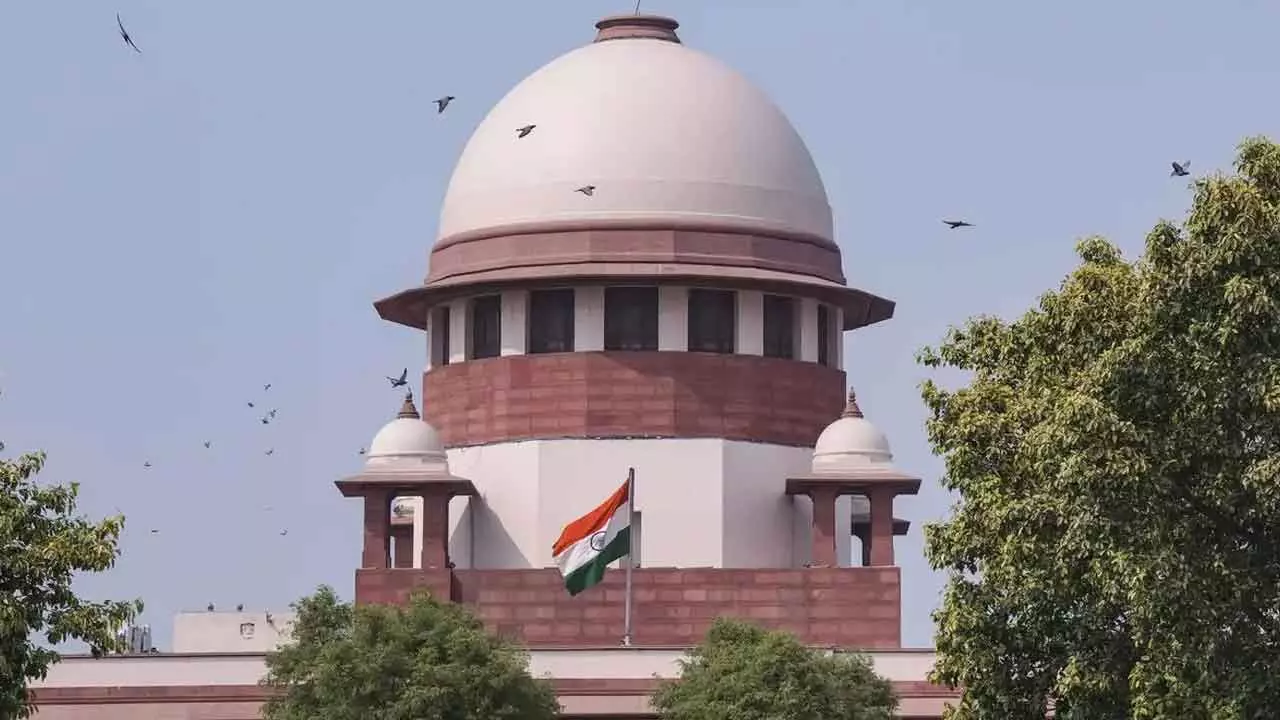
New Delhi: The Supreme Court on Tuesday asked various states to file their responses to applications seeking a stay of the laws enacted by them dealing with religious conversions.
The bench of CJI BR Gavai and Justice K Vinod Chandran was hearing the batch of petitions challenging the constitutionality of laws in Uttar Pradesh, Madhya Pradesh, Himachal Pradesh, Uttarakhand, Chhattisgarh, Gujarat, Haryana, Jharkhand and Karnataka dealing with religious conversions.
The bench granted four weeks' time to the States for their responses. The matter will be heard after six weeks.
Senior Advocate Chander Uday Singh, for Citizens for Justice and Peace, submitted that there was great urgency in hearing the matter, as States are amending the laws to make these laws more stringent.
Although these laws are called the "Freedom of Religion Act", they are curtailing the religious freedom of minorities and targeting interfaith marriages and religious practices, he commented.
He said that in 2024, the Uttar Pradesh law was amended to increase the punishment for unlawful religious conversion through marriage a minimum of twenty years, which can extend up to life imprisonment for the remainder of one's life. Also, bail conditions have been made more stringent, with the introduction of "twin conditions" as found in the PMLA.
The amendment also allows third parties to file complaints. He said that huge amounts of harassment are faced by people in interfaith marriages, in normal observances in church, etc by vigilante mobs.
Singh told the bench that he has filed applications seeking stay of the impugned legislations. Advocate Vrinda Grover, for the National Federation of Indian Women, also informed the bench that her client has also filed a similar application to stay the laws.
The bench was also informed that the Gujarat High Court, in 2021, had stayed certain provisions of the Gujarat religious conversion law.
A similar stay order was passed by the Madhya Pradesh High Court as well. These States have approached the Supreme Court challenging the interim orders of the respective High Courts.