Ahead of COP30, polluters urged to pay for climate crisis


Berhampur: Amidst the roar of the sea and the whispers of rising tides, the coastal hamlet of Podampeta in Ganjam district turned into a powerful stage for climate justice. In a dramatic and evocative act ahead of the COP30 global climate summit, Greenpeace India, alongside local fishermen, women and youth, unfurled a giant “Climate Bill”—a symbolic charge sheet demanding accountability from the world’s biggest fossil fuel corporations.
Towering against the azure sky, the massive installation bore a bold message: “Make Climate Polluters Pay.” It encapsulated the anguish of millions and the staggering reality that economic damage from the carbon dioxide emissions of five global oil and gas giants since the Paris Agreement (2016–2025) exceeds US$ 5.36 trillion—a debt of destruction that continues to engulf vulnerable communities.
Ironically, this sum dwarfs the modest global commitments to the UN’s “Loss and Damage Fund,” exposing the profound inequity between those who cause the crisis and those who endure it. The installation also traced a grim timeline of cyclones, floods and heatwaves ravaging South Asia since 2015, turning the “bill” into a chilling climate ledger.
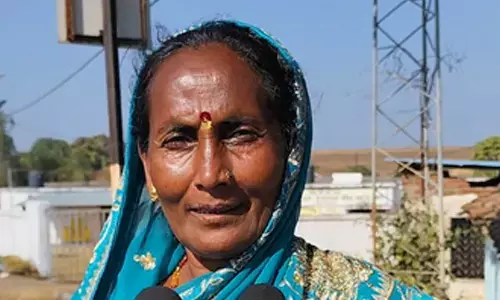
“We have lost homes, boats and the rhythm of our lives to cyclones that return each year with greater fury,” lamented Chandragiri Tiki, a resident of Podampeta, her voice trembling with both sorrow and resolve. “It’s time those who profit from pollution pay their dues to the people they have imperiled.”
Selomi Garnaik, Climate and Energy Campaigner at Greenpeace India, asserted, “Communities like those in coastal Odisha are paying daily for a crisis they did not create. This bill is a reminder of the unpaid debt owed by the world’s polluters. True justice means making them pay and channelling those funds toward protecting both people and the planet.”
Podampeta was chosen because it is a climate-vulnerable area where coastal erosion and frequent cyclones have already led to loss of homes and livelihoods for the fishing community.
As the sea breeze carried the echoes of their plea, Podampeta emerged not merely as a coastal village but as the conscience of a climate-battered world, urging global leaders heading to COP30: “Climate justice is not charity—it’s accountability.”