Innovative Leadership in Technology: A Conversation with Yogesh Gadhiya
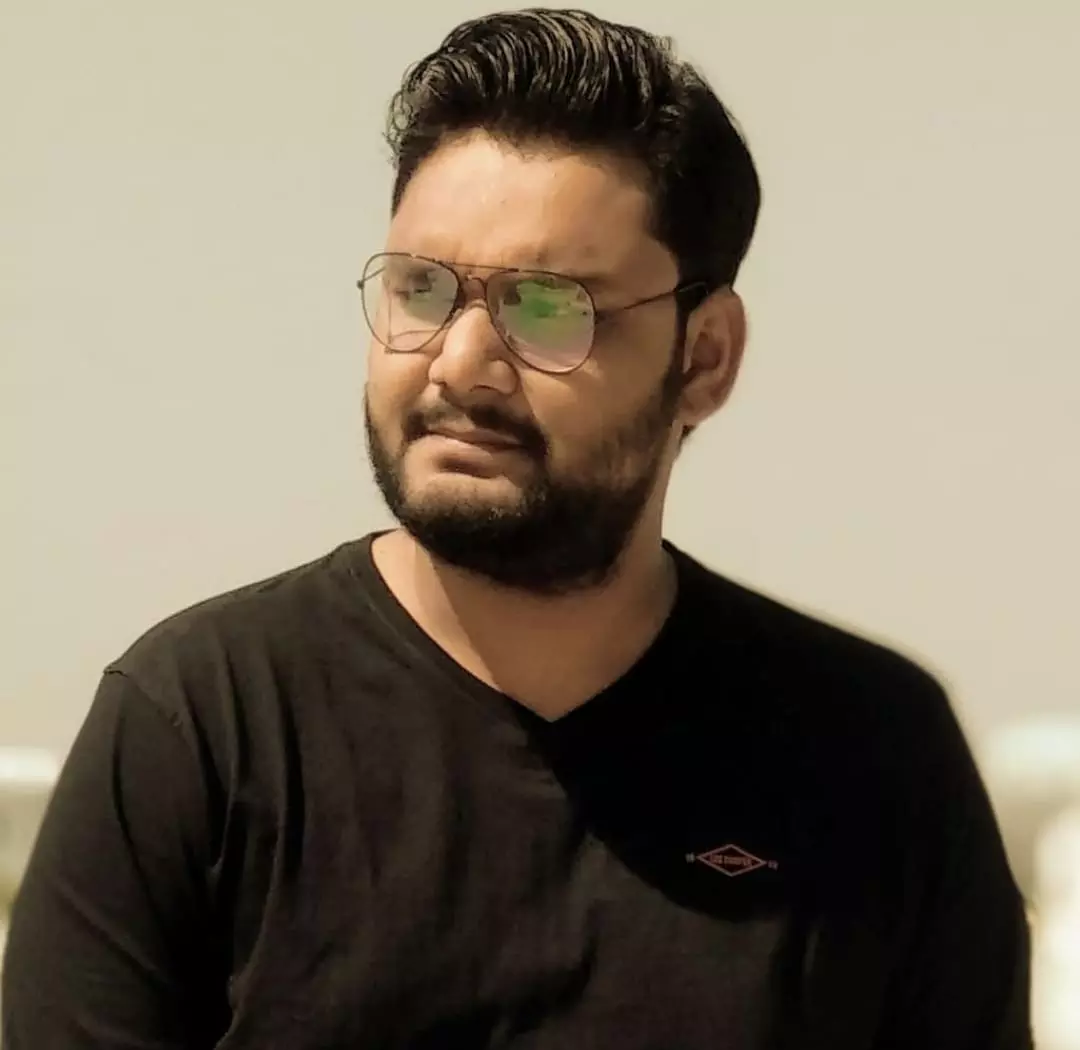
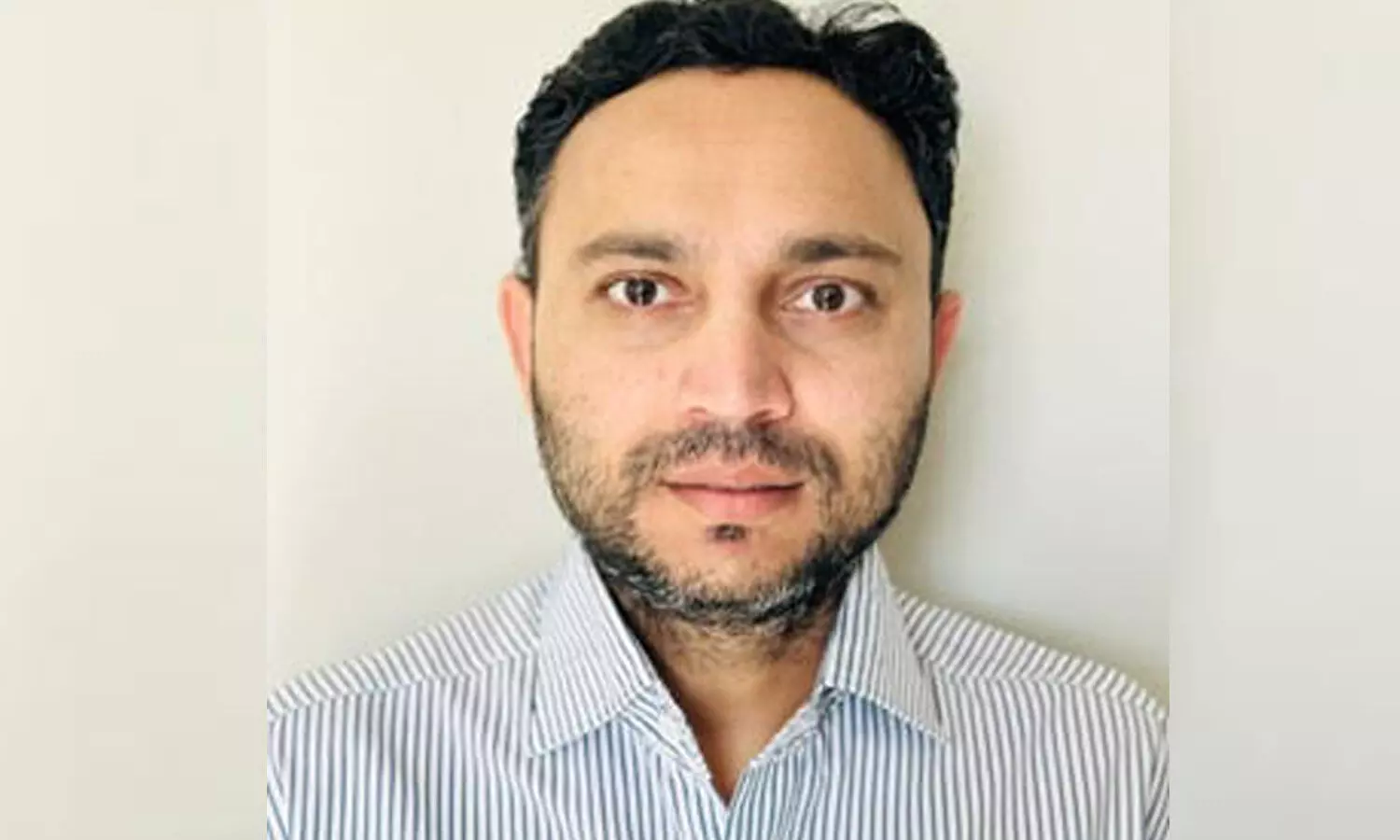
Yogesh Gadhiya derives value from hands-on experience coupled with a strong educational foundation such as a Master's Computer Science from California State University of Los Angeles and a Bachelor's Computer Engineering from C K Pithawala College of Engineering and Technology Gujarat. Yogesh Gadhiya is an esteemed professional in technology who specializes in software engineering and enterprise application development. Throughout his career, he has made numerous contributions to technology, applying over 10 years of experience on the industry’s cutting edge of multi-tier web applications, cloud computing, and client server technology solutions.
Q 1: What inspired you to pursue a career in technology?
A: My passion for technology began during my undergraduate studies in Computer Engineering. I have always enjoyed how businesses can be transformed with the right attention to software solutions and their impact on user experience services. The ever-refreshing algorithms in web and mobile technologies had my utmost attention.There's a particular joy in working in this field since it helps solve complex problems that matter in the world. Each project, be it a data management tool or mobile application, has many challenges, and that keeps me engaged.
Q 2: How do you approach technological innovation within organizations?
A: It is important first to comprehend the goals of the business before attempting to apply any innovations. Technology is best applied when it aids in accomplishing a strategic goal, not the other way round. I focus my attention on my area of specialization which involves .NET technologies, cloud computing, and multi-tier architecture, starting with scanning the existing processes and their accompanying problems before checking what technology has to offer. Based on my experience, employing architectural patterns such as MVC and N-Tier Client/Server Architecture improves the maintainability and scalability of applications. It is also important to note that collaboration is a major factor in achieving success. For example, I partner with people in other functions to determine if the changes they are making in the technology domain would lead to real solutions and real value.
Q 3: Can you describe a challenging project you led and how you navigated obstacles?
A: One of the more challenging projects was to develop a Windows universal app for a school district that could function flawlessly on different devices. We had issues with the integration of push notifications and applying consistent cross platform user experiences. In order to facilitate these issues, I put into place a systematic approach that comprised of Azure Mobile Services and building a powerful Web API framework, which I made sure to follow. I collaborated with the engineering team to enable optimization of the XAML controls for all platforms, which required effective cross-communication. I set up regular communication patterns whereby the affected parties could meet to share ideas with other problem-relevant stakeholders so that they could make sure that key issues were solved in good time without any lags. Using Agile methodologies with well organized sprint planning, we implemented an application that enabled thousands of users across devices to get real time notifications and information.
Q 4: What principles guide your leadership approach?
A: In my experience, combining the Agile, Waterfall, or even Scrum methodologies results in high team-member empowerment, personal accountability, pump achievements, and fosters a culture of continuous improvement. I lead by setting Scrum boards to properly organize and prioritize tasks, always ensuring that deadlines, quality of code, and productivity are balanced. Because of my background, there is no shortage of clear expectations, autonomy, and professional freedom. This allows various forms of excellence to flourish. My process for excellence includes code reviews. I conduct them with my team members and make recommendations in order to enhance performance and scalability. Self-motivation is critical for me; I aim to build that in my teams in a manner that is technically, through achievement recognition.
Q 5: What strategies do you put in place to remain flexible with new technologies as they emerge?
A: Following trends in technology requires persistently learning new skills or building new areas of expertise. For instance, I trained myself on Microsoft cloud as well as Google cloud technologies because of my existing specialization in .NET and web development. In addition, I am learning new programming languages starting with Python, C#, and Java, and their corresponding JavaScript frameworks. Traditional ASP.NET applications arouse my curiosity, but their newer counterparts such as Angular are even more fascinating. Also, I believe in the physics of doing—I have implemented a microservices architecture, I have used a variety of databases starting from SQL Server databases and moving to SQL Server databases on the cloud. This helps me appreciate the concepts as they relate to the practical world regarding what technologies are likely to offer and what their limits are.
Q 6: Which tools or methodologies do you consider most effective for managing technology initiatives?
A: I have found the most effective approach to be a combination of Agile, Waterfall, and Scrum. Each methodology is tailored to fit a project's unique requirements. For development, planning, and execution, I utilize Microsoft’s technology stack alongside Visual Studio. Their tools offer robust support for enterprise application development. In terms of tracking and collaboration,GIT, JIRA, Bitbucket, and SVN for version control have worked exceptionally well for me. These tools offer insights into workflows and highlight where issues may arise. I underscore the importance of structured database design with SQL Server. This includes crafting efficient stored procedures, employing LINQ for data access, and ensuring optimized interactions. For client side applications, Bootstrap, Angular,AngularJS, and jQuery frameworks have facilitated the development of dynamic interfaces. I also prioritize comprehensive documentation regarding system design, test processes, and quality measures for knowledge retention and collaboration.
Q 7: How do you promote innovation within your teams?
A: Promoting innovation within a team involves clear communication and setting up specific technical parameters within which growth can happen. To this end, I adopt object-oriented models as the basis of development frameworks such as encapsulation, abstraction, and inheritance . This enables the team to share a lexicon while still allowing a high degree of creativity. For example, I have had to shift from traditional web services to newer technologies like Web API and microservices architecture. The creativity within my team is apparent during ideation in code reviews and discussions, where people put forth better solutions than what is currently in place. My preferred approach when adding new features is to offer broad latitude within defined boundaries. Often, I will rely on proof of concept implementations to test unconventional ideas before full integration, supporting measures with a boldly incremental approach.
Q 8: What could assist a professional seeking growth in a tech career?
A: As for me, I would highlight developing one's skills both technically and broadly. For example, rather than only learning C# or JavaScript, know the entire technology stack and how various parts interact with an architecture. Mastering design patterns such as MVC, Factory, and Singleton equips you with the tools for solving complex problems in a more elegant manner. Spend effort on designing databases and optimizing queries because those skills don't become irrelevant with changing frontend frameworks. Be aware of cloud technologies and be ready to self-educate on Azure and Google Cloud. Polish your communication and professional skills because being able to explain concepts in simpler terms for non-technical people is priceless. Above all, be flexible and embrace the mentality of learning from every project that comes your way. In my experience, overcoming every technical problem as a learning experience has truly accelerated my professional development.
Q9. What considers success with regards to the initiatives related to technology?
A. I look at success from different perspectives. The first is adoption and satisfaction by the user – be it the solution that met the business expectations it was meant to solve. Technical measures are as important as user related ones: Application metrics, system performance, code standards, and system reliability. I also track how well our architecture performs in scaling for increasing users and data volumes. During development getting milestones on time and each under budget is an indicator of success throughout. My maintenance mark is how pleasant the codebase is to other developers that come after: how easy is it to navigate the code we wrote? That is why proper implementation of design patterns and architectural principles is so important to me. The business value delivered is always the most meaningful measure of success - is there now more operational efficiency, better user experience, or new functionalities aimed to help achieve organizational goals?
Q 10: What are your long-term goals in your career, and how do you plan to achieve them?
A: My long-term goal is to lead technological transformation initiatives that drive significant business value while mentoring the next generation of software engineers. I plan to expand my expertise in cloud computing and enterprise architecture, particularly focusing on how these technologies can solve complex business problems. I'm interested in exploring the intersection of traditional enterprise development with emerging technologies like AI and machine learning. To achieve these goals, I'm continually expanding my technical skills through self-directed learning and practical application. I also recognize the importance of developing my leadership abilities—moving beyond technical management to strategic leadership that aligns technology initiatives with organizational objectives. Building a strong professional network and staying engaged with the broader technology community will be essential for exchanging ideas and maintaining awareness of industry trends.
About Yogesh Gadhiya
Yogesh Gadhiya is a seasoned software engineering professional with over 10 years of experience in the IT industry. With a Master's degree in Computer Science from California State University of Los Angeles and a Bachelor's in Computer Engineering from C K Pithawala College of Engineering and Technology Gujarat, Yogesh has established himself as an expert in developing multi-tier web applications and client-server solutions. His technical expertise spans C#, ASP.NET, .NET Core, Angular, cloud computing technologies, and database systems. Throughout his career, Yogesh has demonstrated excellence in all phases of the software development lifecycle, from analysis and design to implementation and maintenance. He is passionate about creating efficient, scalable software solutions that deliver meaningful business value.