US Treasury Chief Condemns India's Role In Russian Energy Trade, Dismisses Multilateral Summit As Theater


Treasury Secretary Scott Bessent criticized India as a "bad actor" for purchasing Russian oil and called the recent SCO summit "performative" while expressing optimism about resolving US-India trade disputes.
Treasury Secretary Scott Bessent launched sharp criticism against India's energy relationship with Russia, characterizing New Delhi as a problematic partner while simultaneously expressing confidence that Washington could resolve bilateral tensions. His remarks came shortly after President Donald Trump announced India's willingness to eliminate tariffs entirely.
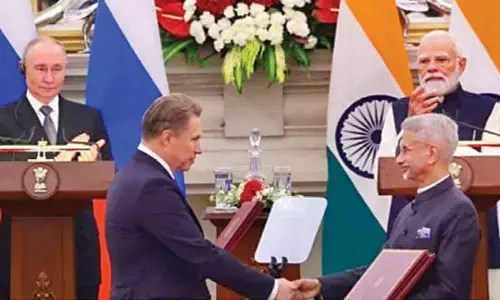
During an exclusive Fox News interview, Bessent minimized significance of Prime Minister Narendra Modi's recent participation in discussions alongside Russian President Vladimir Putin and Chinese President Xi Jinping. The Treasury chief dismissed the gathering as largely ceremonial rather than substantive.
Bessent described the Shanghai Cooperation Organisation meeting as essentially theatrical, emphasizing India's democratic credentials and suggesting its fundamental principles aligned more closely with American values than with authoritarian regimes. He acknowledged India's status as the world's largest democracy while expressing frustration with certain policy decisions.
The Treasury Secretary specifically condemned both India and China for their continued economic relationships with Russia, arguing these partnerships directly supported Moscow's military operations in Ukraine. He suggested the United States and allied nations would eventually implement stronger measures against countries maintaining such trade relationships.
Despite these criticisms, Bessent maintained optimism about US-India bilateral prospects, emphasizing the strong foundational relationship between the two democratic nations. He expressed confidence that both countries possessed the diplomatic capacity to navigate current disagreements successfully.
Bessent particularly targeted India's practice of importing discounted Russian petroleum products and subsequently refining and reselling them in international markets. He argued this arrangement effectively provided financial support for Russia's ongoing military campaign while allowing India to profit from geopolitical tensions.
The Treasury chief characterized India's behavior in energy markets as particularly problematic, suggesting New Delhi had failed to act responsibly regarding the Ukraine conflict. He linked India's energy trade patterns directly to Russia's continued ability to finance military operations.
Addressing broader trade dynamics, Bessent identified slow progress in commercial negotiations as a primary factor behind Washington's decision to implement increased tariffs on Indian imports. He indicated the Trump administration viewed trade imbalances as requiring immediate attention through policy adjustments.
When discussing potential future sanctions against Russia, Bessent indicated comprehensive measures remained under consideration. He suggested the administration maintained flexibility in responding to Moscow's intensified military activities despite recent diplomatic discussions about potential peace arrangements.
President Trump separately characterized US-India trade relations as historically disadvantageous to American interests, claiming decades of unbalanced commercial exchange. He alleged India's high tariff structure had prevented American businesses from accessing Indian markets effectively while Indian exports dominated bilateral trade flows.
The administration recently implemented twenty-five percent tariffs on Indian goods, citing trade imbalance concerns. An additional twenty-five percent levy was imposed after India declined Washington's demands to cease Russian energy imports, creating a combined fifty percent duty rate on various Indian products.