US, Russia Align at UN, Shift Stance on Ukraine Resolutions

US, Russia Align at UN, Shift Stance on Ukraine Resolutions
The US and Russia aligned on UN votes over Ukraine, marking a shift in US policy. The divided stance signals a changing global approach to the conflict.
The United States and Russia found themselves aligned on two key United Nations resolutions regarding Ukraine, highlighting a significant shift in Washington’s stance on the ongoing conflict
On Monday, both nations voted against a European-backed UN General Assembly resolution that condemned Russia’s military actions in Ukraine. Shortly after, they jointly supported a separate UN Security Council (UNSC) resolution that called for an immediate end to hostilities but did not identify Russia as the aggressor or reaffirm Ukraine’s territorial sovereignty.
The contrasting votes underscored deepening rifts among Western nations. While European leaders advocated for a firm condemnation of Russia, the U.S. took a different approach. The United Kingdom and France, both permanent UNSC members, opted to abstain. Non-permanent members Denmark, Greece, and Slovenia also withheld their votes in the Security Council.
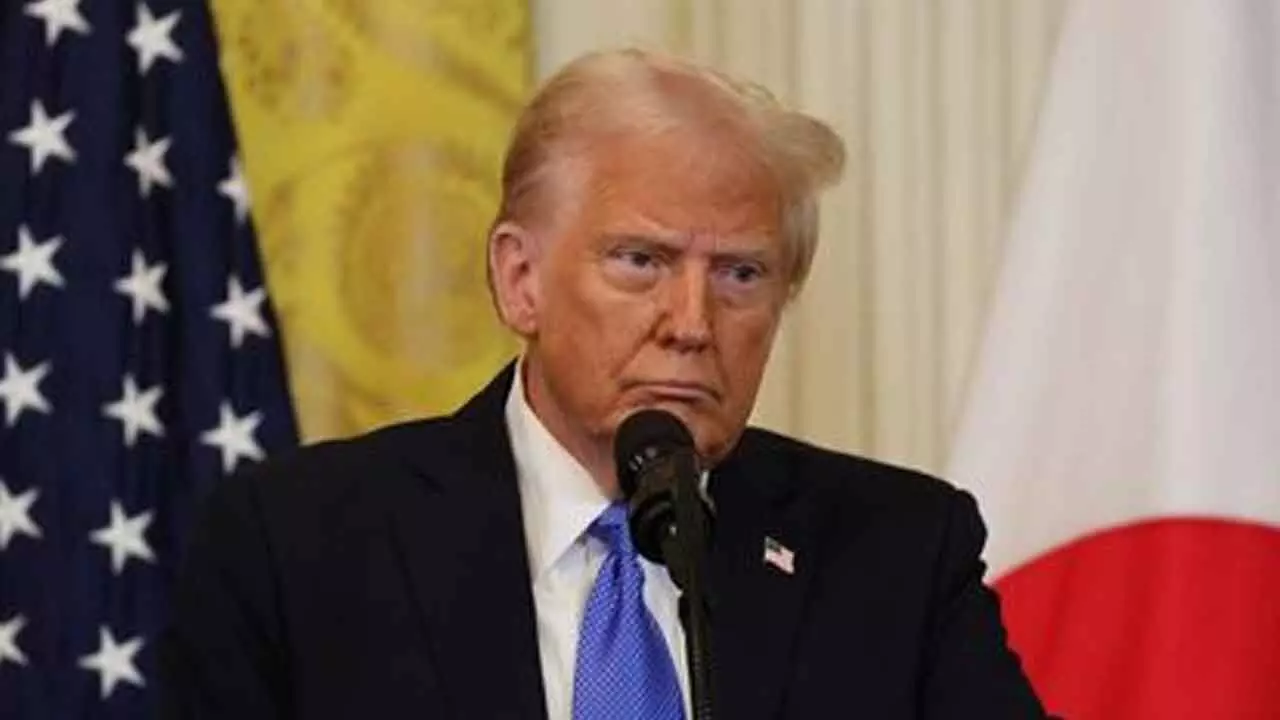
The votes coincided with the third anniversary of Russia’s invasion, marking a pivotal moment as the Trump administration recalibrates its foreign policy. U.S. negotiations with Moscow have sidelined Kyiv and European partners, shifting Washington’s approach toward diplomatic engagement rather than direct confrontation.
The General Assembly resolution, which secured 93 votes in favor, cited concerns over Russia’s ongoing military operations and their impact on Ukraine, regional stability, and global security. It called for an immediate ceasefire and Russia’s full withdrawal from Ukrainian territory.
However, the U.S. joined Russia and 17 other nations—including Israel, North Korea, Sudan, Belarus, and Hungary—in rejecting the measure. The decision marked a departure from previous U.S. policies that strongly backed Kyiv and denounced Russian military actions.
In the Security Council, a separate U.S.-led resolution advocating for an expedited resolution to the war was adopted. The resolution, which omitted references to Russian aggression or Ukrainian sovereignty, received backing from 10 out of 15 UNSC members. Attempts by European representatives to introduce stronger language were blocked by Russia.
Russian Ambassador to the UN Vasily Nebenzya welcomed the outcome, calling the resolution a constructive step toward diplomatic progress. U.S. Charge d’Affaires Dorothy Shea described it as an essential move toward ending the war.
Ukrainian Deputy Foreign Minister Mariana Betsa criticized the resolution, arguing that aggression must be condemned rather than appeased. “The international community should not reward violations of sovereignty and international law,” she said.
The shift in Washington’s position signals a reevaluation of U.S. foreign policy under President Trump. With direct talks between the U.S. and Russia underway, traditional allies in Europe have expressed concern that American backing for Ukraine is weakening.