US-India Trade Negotiations Resume As White House Signals Breakthrough

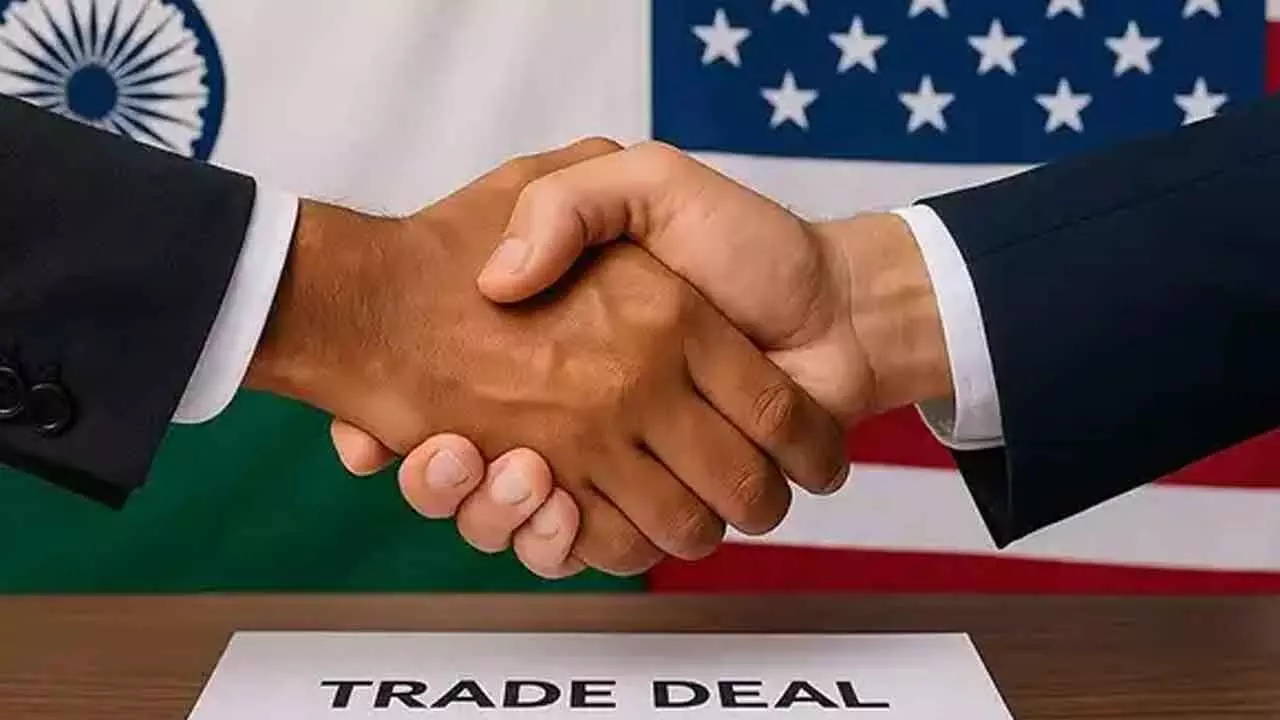
Fast-tracked trade discussions between India and United States scheduled for Tuesday as Trump administration indicates diplomatic progress following recent tariff disputes and sanctions.
White House trade adviser Peter Navarro has indicated that India is showing willingness to engage in meaningful negotiations, setting the stage for accelerated trade discussions between New Delhi and Washington scheduled for Tuesday. The announcement comes amid heightened tensions following recent American tariff impositions on Indian goods.
The upcoming bilateral negotiations represent a significant diplomatic development after weeks of escalating trade friction between the world's largest democracies. Reuters reported Navarro's comments during a CNBC interview, where he suggested that India's approach to trade talks has become more cooperative.
Rajesh Agarwal, serving as India's principal negotiator and special secretary in the commerce ministry, confirmed the expedited nature of the forthcoming discussions. Speaking to reporters during a trade data release event, Agarwal emphasized that both nations would pursue "fast-track" negotiations, though he declined to elaborate on specific agenda items or negotiation parameters.
The trade talks will feature Brendan Lynch, the United States Trade Representative for South Asia, who is scheduled to conduct a single-day visit to New Delhi for intensive discussions. This compressed timeframe underscores the urgency both sides attach to resolving their commercial disputes.
Recent tensions escalated significantly after President Trump's administration doubled tariff rates on Indian exports to 50 percent last month, citing New Delhi's continued procurement of Russian crude oil as the primary justification. These punitive measures contributed to India's export performance declining to a nine-month low in August, demonstrating the immediate economic impact of the trade dispute.
The backdrop to current negotiations includes pointed criticism from Navarro, who previously demanded that India "must come around" on trade discussions or face unfavorable consequences. During an interview with 'Real America's Voice,' Navarro characterized India as the "Maharajah of tariffs," alleging that the country maintains the highest protective barriers against American goods among major global economies.
Navarro's critique extended beyond tariff policies to encompass India's energy relationship with Russia. He accused India of opportunistic behavior, noting that Russian oil imports surged dramatically after Moscow's invasion of Ukraine, despite minimal historical trade in petroleum products. The White House adviser suggested this arrangement amounts to profiteering that ultimately burdens American taxpayers supporting Ukraine's defense efforts.
Washington's frustration intensified when Trump dismissed India's proposed elimination of tariffs on American goods as arriving "too late," indicating that earlier diplomatic overtures might have prevented the current impasse. This rejection highlighted the administration's hardline stance on trade reciprocity and timing in international negotiations.
However, recent diplomatic exchanges suggest a potential warming in bilateral relations. President Trump publicly praised Prime Minister Modi as a "great Prime Minister" and emphasized their enduring friendship, marking a notable shift from previous combative rhetoric. Modi responded promptly, expressing deep appreciation for Trump's sentiments and confirming mutual respect between the leaders.
The energy sector remains a particular flashpoint in US-India relations, with American officials concerned about India's expanded petroleum trade with Russia. Washington views this commercial relationship as potentially undermining Western sanctions designed to pressure Moscow over its military actions in Ukraine.
India's position reflects complex balancing act between energy security needs and international diplomatic pressures. New Delhi has consistently maintained that its energy procurement decisions are based on national interests and economic considerations rather than political alignment with any particular nation.
The scheduled negotiations will likely address multiple contentious issues beyond energy trade, including intellectual property protection, digital services taxation, and agricultural market access. Both sides recognize that successful resolution of current disputes could unlock significant economic opportunities given the substantial size of their respective markets.
Trade experts anticipate that Tuesday's discussions will focus on immediate dispute resolution rather than comprehensive long-term agreements. The fast-tracked nature of the talks suggests both governments are eager to de-escalate tensions before they cause lasting damage to their broader strategic partnership.
The outcome of these negotiations could significantly influence broader US-India relations, which encompass defense cooperation, technology sharing, and regional security coordination in the Indo-Pacific region. Economic disputes have the potential to undermine these critical strategic dimensions of the bilateral relationship.
Market observers are closely monitoring developments, as resolution of trade tensions could positively impact both countries' economic performance and business confidence. The current uncertainty has already affected investment decisions and supply chain planning for companies operating in both markets.