Trump’s diplomatic ambitions hit a wall across the globe

Trump’s diplomatic ambitions hit a wall across the globe
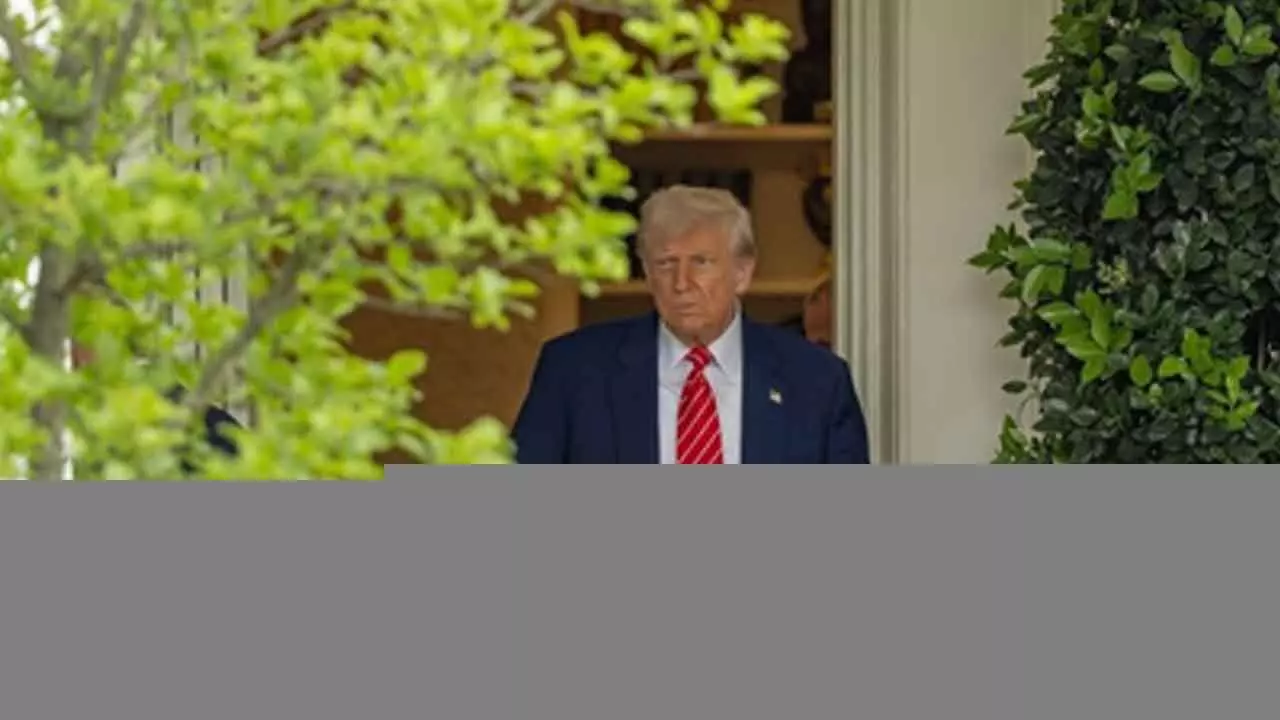
Trump faces mounting global resistance as key world leaders defy his foreign policy efforts, exposing the limits of his diplomatic influence.
Every U.S. president believes they can reshape world affairs—and Donald Trump has always projected an even stronger sense of personal power than most of his recent predecessors. Yet as the 47th president’s first four months unfold, he is finding that many of the world’s major leaders are simply not intimidated.
In his first term, Trump showed he could push American corporations, universities, and courts to fall in line with his agenda. But when it comes to entrenched foreign leaders, his traditional tactics of bluster and threats have backfired. Russian President Vladimir Putin, for example, has openly defied Trump’s calls to end Russia’s war in Ukraine. Instead of cowering, Russian media portray Trump as a loudmouth who always backs down when pressed for real consequences.
Trump’s hopes of forcing China to capitulate after their bruising trade war have also fallen flat. Beijing’s leadership, confident in their own system, refused to yield. U.S. officials now confess frustration that China has not honored the trade concessions it once agreed to—illustrating that an authoritarian government need not bend to threats of tariffs.
Europe, too, has resisted Trump’s pressure tactics. When he revived tariffs on European goods, Brussels threatened retaliatory measures. Eventually, the U.S. relented. Financial Times columnist Robert Armstrong even coined the mocking acronym “TACO” (Trump Always Chickens Out) to describe the president’s pattern of making big threats and then retreating.
Trump likely expected Israeli Prime Minister Benjamin Netanyahu to fall in line as he did during Trump’s first term, when the American president granted nearly every demand Israel made. But today’s distorted dynamics in the Middle East have frustrated Trump’s effort to mediate Gaza’s conflict. Netanyahu’s grip on power relies on a protracted Gaza war, making any premature ceasefire politically dangerous for him. Likewise, Trump’s aspirations to negotiate a new Iranian nuclear deal clash with Israel’s plans to strike Iran’s nuclear facilities while the regime is still weakened—and unwilling to negotiate.
Many of these world leaders pursue their own long-term interests on schedules that do not align with America’s more transactional approach. Strongmen like Putin, Xi Jinping, and even Netanyahu have little incentive to yield to personal pleas that promise no obvious payoff. Trump’s public humiliations of Ukrainian President Volodymyr Zelensky in the Oval Office—and of South African President Cyril Ramaphosa before that—have only made those leaders wary of granting him leverage. A détente with the world’s strongmen simply cannot hinge on the lure of a future White House photo op.
During Trump’s campaign, he repeatedly touted his “very good relationship” with Putin and Xi as if it would magically resolve seemingly intractable conflicts. Yet his experience echoes that of his predecessors. President George W. Bush once believed he could “see into Putin’s soul” and use personal chemistry to alter Russia’s course. That effort collapsed in 2014 when Putin annexed Crimea. President Barack Obama, meanwhile, dismissed Russia as a “regional power,” only to watch Moscow reassert itself on the world stage. Both men discovered that authoritarian leaders do not bend to flattery or moral high ground.
And even President Joe Biden’s claim that “America is back” after Trump’s first term has dwindled into nostalgia for a post–World War II international order. Four years into his administration, Biden’s bid for a second term has faltered, leaving many allies uncertain whether U.S. influence will endure. Now Trump has returned, eager to reclaim America’s dominance, but his “America First” populism risks eroding the very alliances and institutions that made the United States so powerful.
In his first months back in office, Trump has threatened tariffs, teased territorial expansion into Canada and Greenland, and slashed global aid budgets. Yet so far, China, Russia, Israel, and even Canada appear unmoved—calculating that defying Trump carries little political cost. His ferocious rhetoric may win headlines, but it has done little to bend world leaders to his will. Instead, Trump’s brash approach is undermining U.S. soft power—its ability to persuade by example rather than coercion—and revealing the limits of presidential omnipotence on the global stage.