Iran rules out N-talks under fire

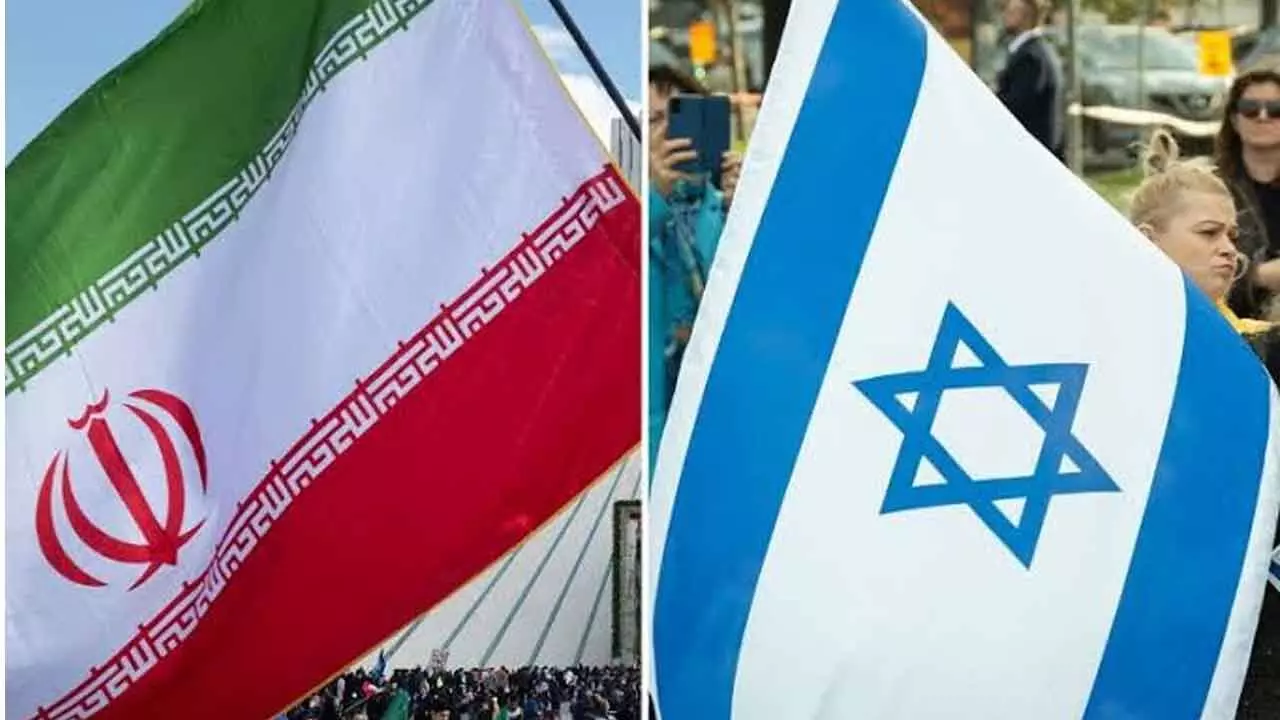
Dubai/Jerusalem: Iran said on Friday that it would not discuss the future of its nuclear programme while under attack by Israel, as Europe tried to coax Tehran back into negotiations and the United States considers whether to get involved in the conflict.
A week into its campaign, Israel said it had struck dozens of military targets overnight, including missile production sites, a research body involved in nuclear weapons development in Tehran and military facilities in western and central Iran.
Iran launched a new barrage of missiles at Israel early on Friday, striking near residential apartments, office buildings and industrial facilities in the southern city of Beersheba.
After air raid warnings on Friday, Israeli media said initial reports pointed to missile impacts in Tel Aviv, the Negev and Haifa.
Iranian Foreign Minister Abbas Araqchi said there was no room for negotiations with the US "until Israeli aggression stops".
But he was due to meet European Foreign Ministers in Geneva for talks at which Europe hopes to establish a path back to diplomacy over Iran's nuclear programme. Two diplomats said before the meeting with France, Britain, Germany and the European Union's foreign policy chief that Araqchi would be told the US is still open to direct talks. Expectations for a breakthrough are low, diplomats say. A senior Iranian official told Reuters Tehran was ready to discuss limitations on its uranium enrichment and that the European's role was now more prominent because Iran is unwilling to engage with the US while under fire from Israel. But any proposal for zero enrichment - not being able to enrich uranium at all - will be rejected "especially now under Israel's strikes", the official said. Meanwhile, world oil markets are on high alert for any strikes that hit energy facilities in Iran or elsewhere in the Gulf which affect supplies. Qatar held crisis talks this week with energy majors after Israeli strikes on Iran's huge gas field, which it shares with Qatar, an industry source and a diplomat in the region told Reuters. Doha was asking firms to raise the US, UK and European governments' awareness of increasing risks to global gas supply, they said.