India’s Manufacturing Ambitions Are Rising, But What Could Hold Them Back?

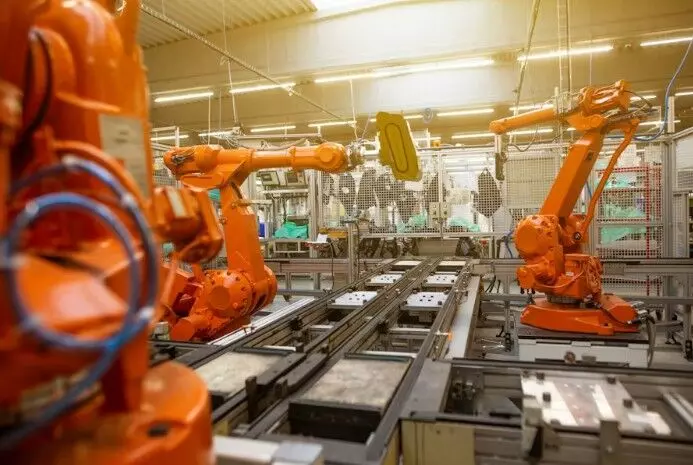
Frontier technologies, such as AI, robotics, and advanced materials, could add a whopping $1.1 trillion to the country’s manufacturing GDP, hence fundamentally changing the face of India’s manufacturing landscape. This could firmly cement the country’s place in the global supply chain. If this growth pans out, its effects are going to be felt everywhere, from more exports, more job opportunities, to getting deeply integrated into international markets.
But the problem with rapid growth is that it also brings a new set of challenges. While scaling yo pto meet global demand includes an element of churning out sufficient volumes and having the right tech on site. There’s more to it. For Indian manufacturing, this is also a j journey ot implementing reliable international logistics, meeting new compliance and regulation needs, and earning the respect of international partners. As India is approaching the global manufacturing market, the real question is no longer whether growth is possible at all, but whether the country is equipped to manage the challenges of international growth.
One of the immediate headaches that an expanding manufacturing sector has to deal with is global shipping. Global logistics networks can add days, weeks, or months to delivery times.
For customers buying in from overseas, inconsistent or long shipping schedules can be a turn-off, no matter how good the product is. Dependable delivery and shipping schedules are key to both B2B and B2C relationships.
Yet, keeping international shipping running smoothly and at competitive costs means that Indian manufacturers need better coordination with their logistics partners. This may be a challenge for a new international player with big ambitions.
As a result, Indian manufacturers are expected to seriously consider setting up sister companies or warehouses in other countries. Being closer to end customers can make a huge difference in managing shipping challenges and meeting customers’ expectations.
But expanding overseas introduces new obstacles. New locations may have a different set of regulations and compliance requirements, including specific tax duties such as California sales tax and production emissions. More importantly. The regulatory environment can vary greatly from one location to another, so manufacturers would face different logistics challenges from those of shipping.
Beyond logistics, India needs to face an important challenge: perception. The reality is that people's perceptions about the country of origin of a product still impact how they perceive the quality of the product itself. As a result, goods from developing economies, like India, tend to be received a lot more negatively than if they came from another country, even if they meet all expected global standards.
For manufacturers in India, the perception gap can have heavy consequences on their pricing power, partnership chances, and even long-term credibility. The common associations with high-volume and low-cost production processes could overshadow the reality of India’s manufacturing revolution.
Changing people's minds is no easy task, and it is perhaps one of the biggest challenges that the manufacturing sector needs to tackle. Ultimately, global certification, transparency on quality controls, and communication can help, but even then, it is likely to be a long and slow process before Indian manufacturers can compete at the same level as their global peers.