India Holds Back From Trump’s ‘Board Of Peace’, Weighs Global Implications

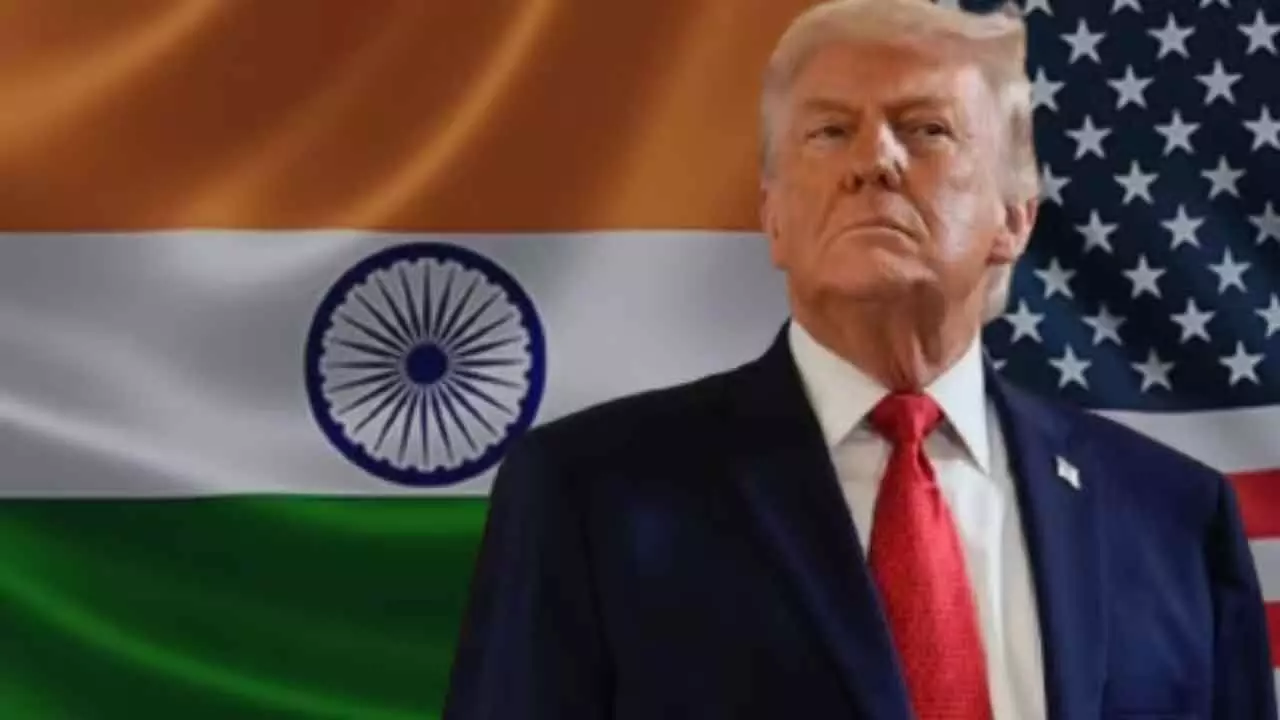
India has received an invitation to join US President Donald Trump’s ‘Board of Peace’ but has not signed on yet, citing concerns over its mandate, leadership structure, and potential impact on the United Nations system.
US President Donald Trump has so far secured the participation of 11 countries in his newly announced ‘Board of Peace’, an initiative that was initially projected as a mechanism to oversee a ceasefire in Gaza and aid post-war reconstruction. India, however, despite receiving an invitation, has chosen not to join the body at this stage. Notably, no permanent member of the UN Security Council other than the United States has become part of the initiative.
The board was unveiled on the sidelines of the World Economic Forum in Davos, where Trump presided over a signing ceremony attended by leaders and senior officials from participating nations. While the US administration has portrayed the platform as a global conflict-resolution body, its expanding scope has triggered questions about whether it could eventually rival or weaken established international institutions, particularly the United Nations.
Sources familiar with the matter said India was among around 60 countries invited to join the board last week, but no Indian representative attended the launch event in Switzerland. New Delhi is yet to take a final call and is closely monitoring how key partners such as France and Russia position themselves on the initiative. There are also apprehensions within the Indian establishment about Trump’s proposal to remain chair of the board indefinitely and about the broader implications for multilateral governance.
Trump has claimed significant diplomatic successes while promoting the board, asserting that his interventions helped end multiple conflicts within months, including last year’s military standoff between India and Pakistan. India has firmly rejected this narrative, maintaining that the situation de-escalated after direct engagement between the two countries’ military leaderships.
Although Gaza was cited as the initial focus of the Board of Peace, its official charter reportedly makes no specific reference to the territory. Instead, the document outlines a broad mandate to promote stability and lasting peace in conflict-affected regions, raising concerns about overlap with existing global mechanisms. Trump has suggested that once fully established, the board could intervene in a wide range of international crises, while simultaneously downplaying the role of the UN in conflicts he claims to have resolved.
So far, the charter has been signed by leaders from countries including Argentina, Armenia, Azerbaijan, Bulgaria, Hungary, Indonesia, Kazakhstan, Kosovo, Pakistan, Paraguay and Uzbekistan, along with senior officials from several West Asian and Central Asian nations. As the initiative gathers momentum, India’s cautious approach reflects its desire to assess the long-term consequences of aligning with a body that could reshape the current global order.
Next Story