V-Cs hold meet on varsity reforms

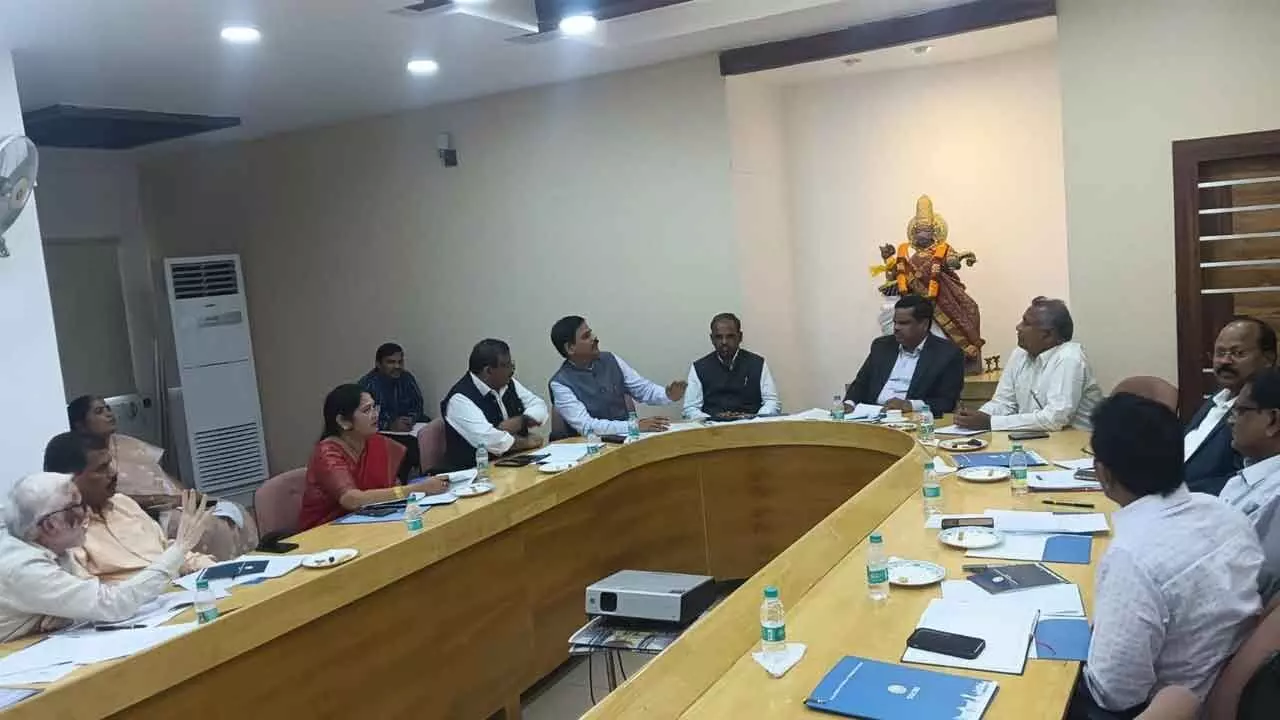
The meeting addressed student-centric and pedagogical reforms, spoke of launching Faculty Development Programs through digital platforms, among other aspects
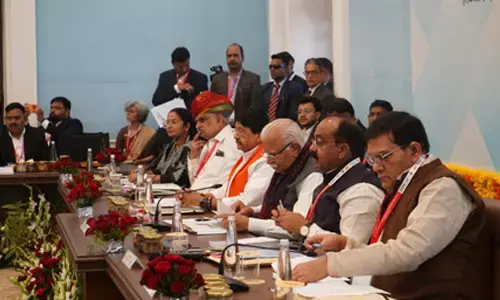
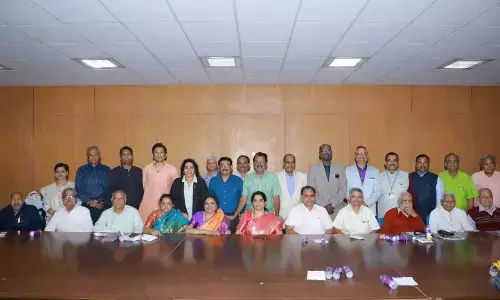
Hyderabad: A meeting of the Vice-Chancellors from conventional universities, chaired by Prof V Balakista Reddy, Chairman of the Telangana Council of Higher Education (TGCHE), made several key decisions. The meeting took place at the TGCHE office on Friday and emphasised academic and administrative reforms in Telangana’s higher education landscape. Vice-Chancellors from Osmania University, Kakatiya University, Telangana University, Mahatma Gandhi University, Palamuru University, Satavahana University, and Chakali Illamma Women’s University attended the meeting, along with the Vice Chairmen and Secretary of TGCHE. One of the main decisions was to revamp the undergraduate curriculum.
The plan includes a 20 percent revision of the undergraduate syllabus to incorporate emerging areas such as Artificial Intelligence, Cybersecurity, Fintech, and Research Aptitude. This revised syllabus is set to be implemented in the academic year 2025–26. Additionally, the meeting addressed ‘Student-Centric and Pedagogical Reforms’ by introducing ‘Structured Learning Units’ and launching Faculty Development Programs through digital platforms, including a strategic memorandum of understanding (MoU) with T-SAT for broader content dissemination.
The Vice-Chancellors also agreed on a ‘New Assessment Pattern,’ adopting a ‘Continuous Assessment Pattern (CAP)’ worth a total of 100 marks. This will consist of Project Work/Assignments (25 marks), a Midterm Exam (25 marks), and an End Semester Exam (50 marks), ensuring ongoing evaluation of students.
To enhance coordination among universities, a ‘Common Academic Calendar’ will be established. All universities have consented to a unified academic calendar, with final UG examinations scheduled to be completed by April 30 each year, facilitating the smooth conduct of Common Entrance Tests (CETs) in May. Another important administrative decision was to streamline the affiliation process. Deadlines have been set for the affiliation of Law, Professional, and Degree colleges. Universities are now required to verify approved intake thoroughly before granting affiliations to address discrepancies between sanctioned intakes and actual admissions.
Prof Balakista Reddy mentioned that ‘Course Conversion Guidelines’ were discussed and that the conversion of UG courses will be considered for the academic year 2025–26. Osmania University has been designated to conduct the CPGET 2025 for all PG courses. Regarding undergraduate admissions, he announced that the DOST Admissions notification will be released following the declaration of Intermediate results and all universities are directed to upload accurate college and course data onto the DOST portal by April 30, 2025.
The Vice-Chancellors unanimously agreed to abolish the existing Bucket System for UG courses and urged TGCHE to establish guidelines for monitoring Autonomous Colleges.