




- Prashant Neel’s ‘418 The Film’ Is Indefinitely Postponed
- Former Karnataka Minister Rajanna flags lack of women representation in Congress district appointments
- Bengal launches AI-enabled app to curb land, property registration fraud
- 'AAP govt not concerned about people': Sachin Pilot leads protest for Punjab Finance Minister's resignation
- PIL in Delhi HC alleges political parties fielding candidates in DUSU polls in violation of Lyngdoh report
- BJP chief Nabin to visit Mumbai, Pune Ganesh pandals and temples tomorrow
- China builds digital infrastructure in Southeast Asia but fails to set governance rules: Report
- BPSC, BPSSC aspirants stage protest in Patna, demand cancellation of exams
India women’s Asia Cup triumph clouded by narrow politics
In Short
Congress leader Udit Raj criticised the women’s cricket team for refusing to accept the Women’s Asia Cup trophy from Asian Cricket Council (ACC) Chairman Mohsin Naqvi, calling the move “drama”.

Share :
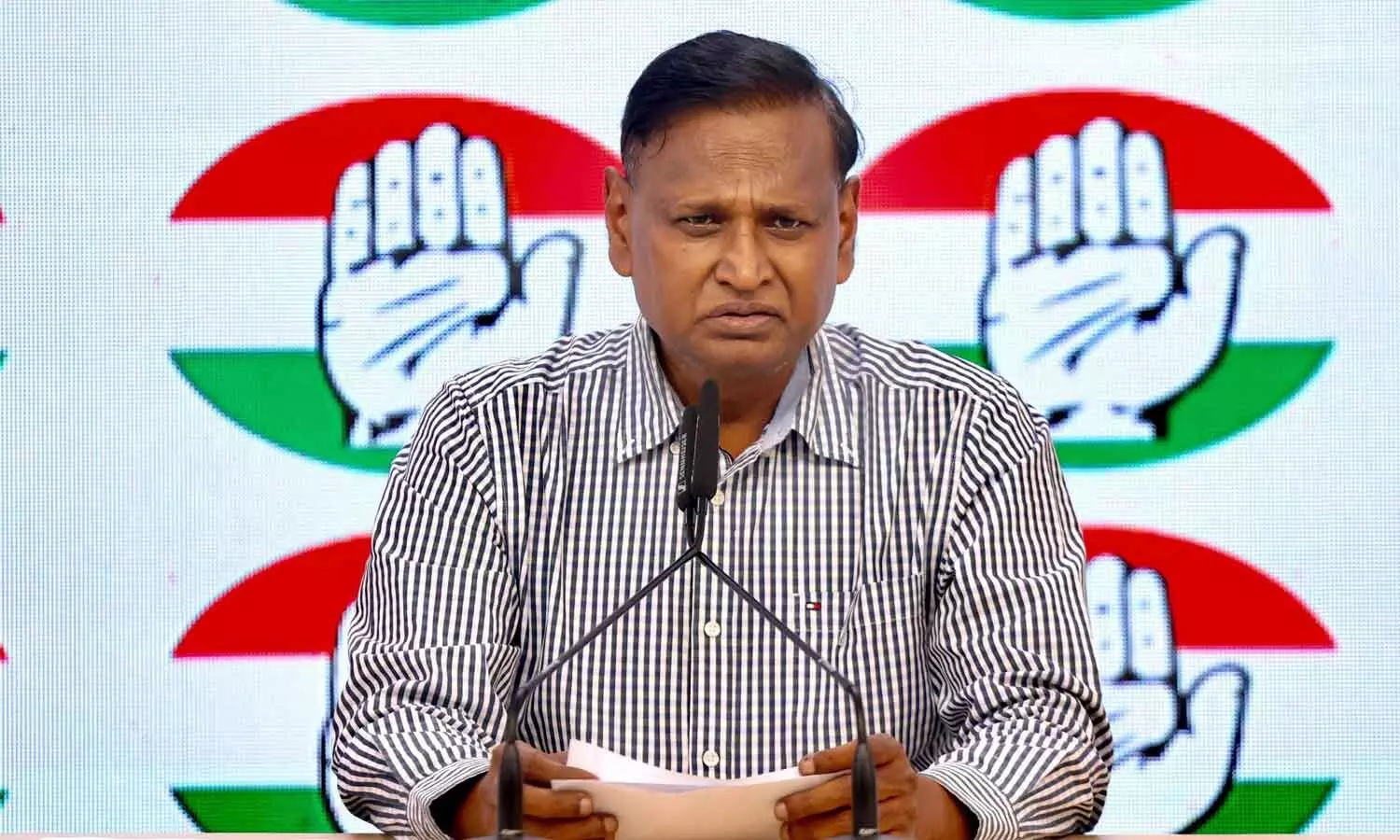
Congress leader Udit Raj
Hyderabad: The grand victory of the Indian women’s cricket team, which defeated Sri Lanka to win the Asia Cup trophy, was shrouded in narrow politics. Though Congress spokesperson Pawan Khera and former Union Minister Salman Khurshid stood by the BCCI’s decision not to accept the trophy from Asian Cricket Council Chairman Mohsin Naqvi, there appear to be divergent views within the party.
Congress leader Udit Raj criticised the women’s cricket team for refusing to accept the Women’s Asia Cup trophy from Asian Cricket Council (ACC) Chairman Mohsin Naqvi, calling the move “drama”.
Talking to the media, he reacted, saying, “Again, theatrics, terrible theatrics, and event theatrics. When the Pakistan team has already come, the Pakistani players have come here, are staying here and are playing, then this theatrics of not taking the trophy from his hands is only drama.”
“What is the big deal in this? What difference does spinning an unnecessary narrative out of this make? The only thing that truly matters is that they played properly. They won, and we congratulate them on their victory,” he said.
Samajwadi Party leaders questioned the government as to why the team was sent to participate in the Asia Cup.
What the opposition unfortunately forgets is that the win helped India secure a record-extending eighth Women’s Asia Cup title. This kind of matter-of-fact response, rather than celebrating the achievement, could demotivate sportspersons.
Tharun Bhascker unveiled the first-look poster of "Rupayanamaha". Movie Releasing on 2nd October
New SPROUT facility to strengthen genomics-led crop improvement: Minister
'Team landed 5 hours ago, still haven’t been allotted rooms': Srinath Narayanan slams FIDE Chess Olympiad arrangements
Prashant Neel’s ‘418 The Film’ Is Indefinitely Postponed
Tharun Bhascker unveiled the first-look poster of "Rupayanamaha". Movie Releasing on 2nd October
New SPROUT facility to strengthen genomics-led crop improvement: Minister
Special flower exhibition launched at Tirumala Kalyana Vedika
Decades-old Kishau Project moved ahead via Centre-state consensus: Raj CM Sharma
Six drowned in Sokuleru stream in Polavaram, five rescued, one missing
'Slaves of BJP': DMK slams TVK over cases against party leaders


