Experts caution against haphazard planning

Hyderabad: Experts from various fields are shedding new light vis-à-vis the Musi Rejuvenation Project. They all spoke in unison, so to say. Each wanted the government to prioritize pollution control, ecological restoration, and community welfare over mere commercial beautification.
The state government is determined to transform Musi into a lively urban asset, taking cues from successful projects such as the Sabarmati riverfront and implementing a cleanup strategy that includes approximately 50 Sewage Treatment Plants (STPs).
Experts alleged that the government intends to privatise river banks under the guise of river cleaning. It is misguided to suggest that economic growth can be realized through land conversion and the construction of concrete structures along riverbanks, they opined.
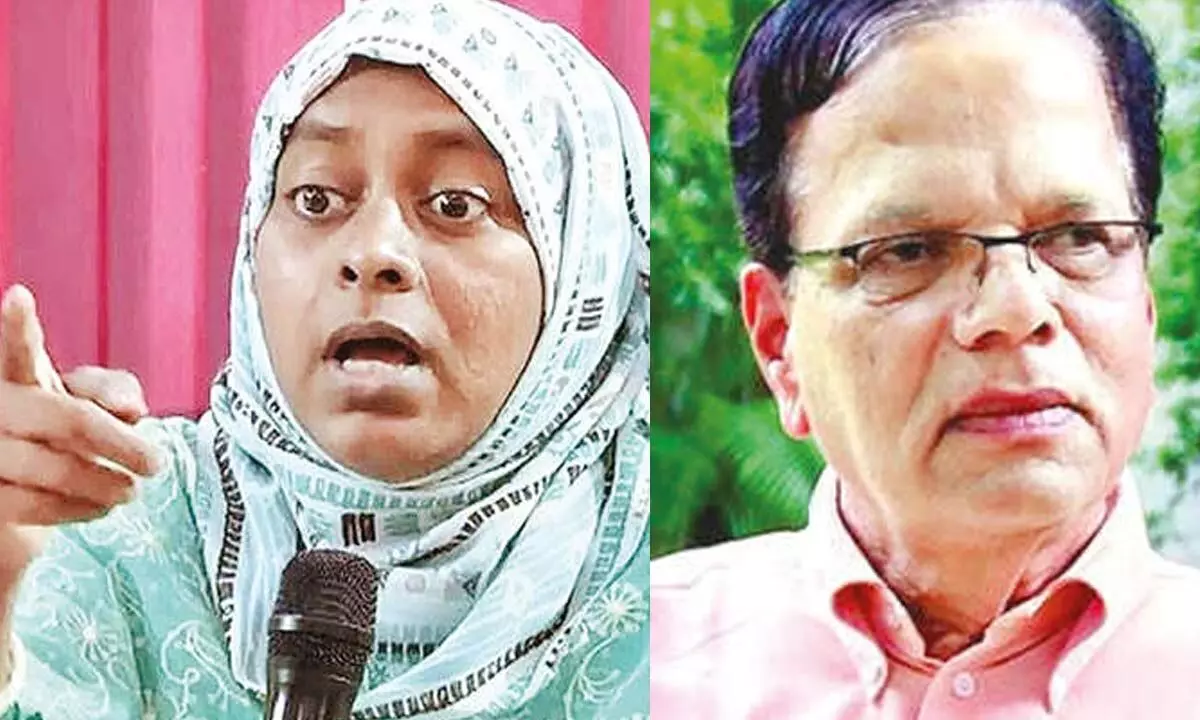
Ecological Economics professor Dr Lubna Sarwath the huge wealth of microorganisms have to be studied by experts and scientists, first and foremost. Scientific explorations can lead to quality discoveries. It is such scientific findings that led to microorganisms that companies use in probiotics. As per the BioDiversity Act and Rules, the companies then share profits with the local wards/gram sabhas/municipalities from which soil such microorganisms have been mined.
She said “Such a scientific study of this huge natural resource of Esi Nadi and Musi Nadi is most fundamental for the river as well as its people. Villages in Maharashtra are already contributing to probiotics through their microorganisms and reaping benefits from the companies,” said Dr Lubna.
Dr Lubna said that an inter river basin transfer of water from Godavari to Krishna basins entails deep scientific, irrigational study and public consultations. She said that earlier they had flagged the issue to the Irrigation and MAUD departments that 1.5 lakh cusecs and 95,000 cusecs from Himayat Sagar and Osman Sagar, respectively, and the north and south basin discharges into the Musi would have not been reckoned holistically. It is way ahead of the figure computed by MRDCL. “Diverting Godavari water from drinking purposes to the Musi rejuvenation risks conflict with the original purpose. The drinking water reservoirs - Osman Sagar and Himayat Sagar - were constructed by damming Musi and Esi rivers respectively after the 1908 floods so that Hyderabadis never faced such flood devastations,” she pointed out.Noted environmentalist Prof K Purushotham Reddy expressed concerns about the plan to divert water from the Godavari River into the Musi. Simply filling the river with treated water will not address the underlying sewage issues, he pointed out.
Officials indicate that 62 sewage treatment plants (STPs) will be necessary by 2051, yet the government’s strategy remains unclear. It is illogical to propose developing the riverbank without providing transparency on sewage management. “We are merely attempting to replicate the riverfront model of Korea inother locations. I want to emphasise that Hyderabad deserves recognition for its unique identity. We must honour the river as it is and strive to keep the Musi waters clean,” he said. Prof Reddy said that from an environmental standpoint, “our goal is to restore the ecosystem. We must focus on revitalizing Musi River. He said the Chief Minister has declared that “if the public votes against the project, I will withdraw. So let him take the responsibility and stepback.”