World Konkani Centre documents Mother Goddess traditions across Goa

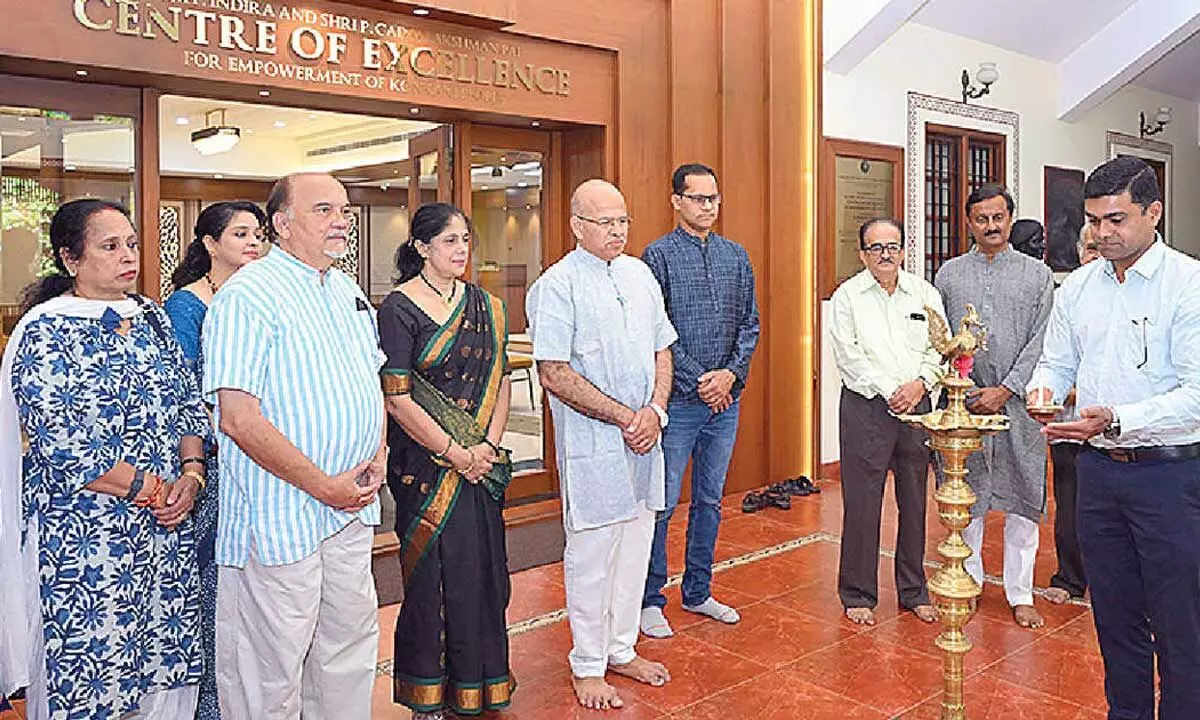
Mangaluru: Highlightingthe intersection of faith, culture and academic inquiry, the World Konkani Centre has advanced a significant research initiative documenting the worship of Mother Goddesses in Goa—an enduring but under-researched tradition among Konkani-speaking communities. The project, supported under the Vardhani Fellowship, was presented at a scholarly programme held in Mangaluru on Saturday. The event was inaugurated by historian Dr Rohit Phalgawankar, who led the research and delivered a comprehensive lecture outlining its scope and findings. He noted that while Mother Goddess worship forms a foundational layer of spiritual life in the Konkan region, it has largely remained outside the framework of rigorous academic documentation. The project, he said, seeks to apply structured research methodologies to study ritual practices, iconography and belief systems associated with the tradition.
Dr Phalgawankar’s research spans nearly 67 temples across Goa and examines both tangible and abstract forms of goddess worship. His lecture was accompanied by visual presentations depicting temple architecture, deity representations and ritual practices, offering insights into the diversity and continuity of the tradition. The World Konkani Centre’s president, CA Nandagopal Shenai, said the initiative aligns with the Centre’s mission to preserve and promote Konkani cultural heritage through research and publication. The Vardhani Fellowship has sponsored the production of a research book based on the study, the completed manuscript of which was formally submitted during the programme. Adding a visual dimension to the project, photographer Pundalik Pai of Mangaluru documented the research over the course of a year. The photographic archive will be published separately as a curated coffee-table book, highlighting the aesthetic and cultural depth of the tradition.
The researcher and collaborators were felicitated during the event, which saw participation from scholars, cultural activists and community representatives from India and abroad. The programme concluded with a call for greater academic engagement with regional religious traditions as living cultural histories.