A dedicated law is imperative to champion OBC justice

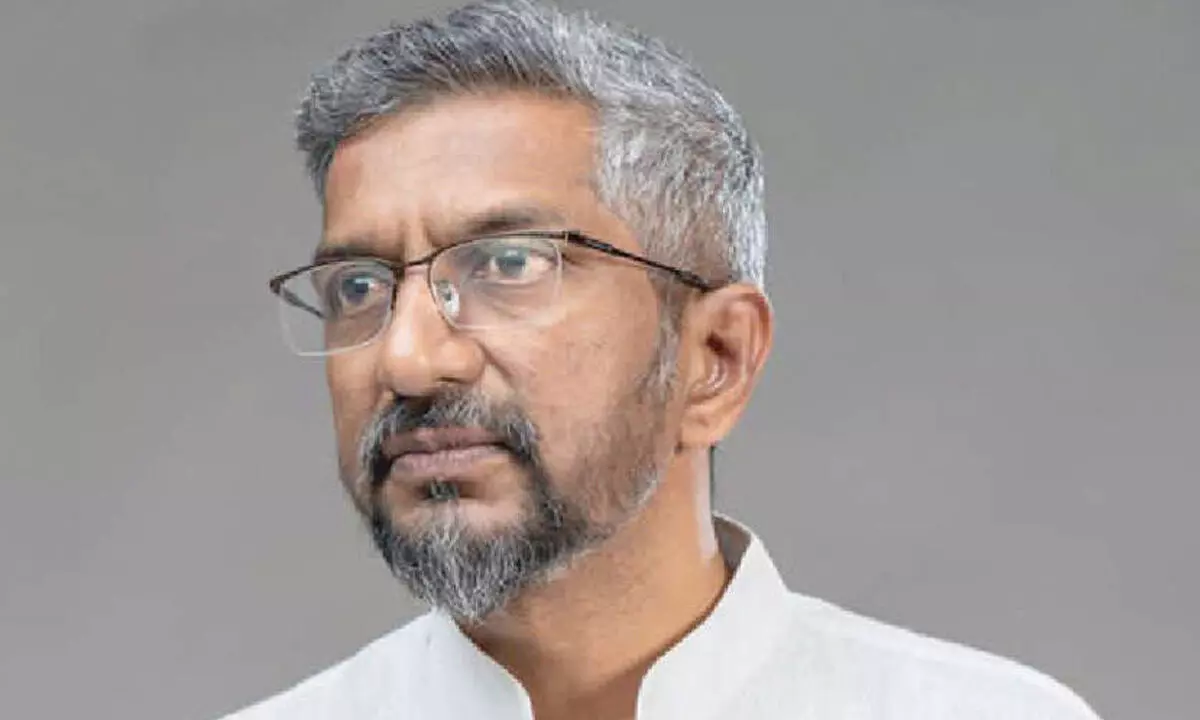
Ravi Boseraju, a dynamic young Congress leader from Karnataka, is spearheading calls for OBC empowerment through dedicated laws and inclusive policies. He shared his views with The Hans India exclusively, outlining the ‘inclusive policy’ under the young generation leadership, emerging in the party.
Q: Why advocate for a dedicated law to prevent atrocities against OBCs, similar to the SC/ST Act?
Ans: A dedicated law is urgent as OBCs, often in manual jobs, face exploitation and violence. Studies show OBC migrants earn lowest incomes in harsh conditions, with over half of labourers’ sons stuck in similar roles; only 5.1% become professionals. Without caste census data, policies lack evidence. The Constitution promises social, economic, and political justice. Like the SC/ST Act with special courts and rehabilitation, OBCs need parallel protections to deter abuses and provide remedies, grounded in comprehensive socio-economic enumeration.
Q: What discrimination do OBCs face that existing laws fail to address?
Ans: OBCs endure economic deprivation and social exclusion. Data reveals 52.6% of OBC labourers’ sons remain labourers, with migrants facing lowest pay and worst conditions. Dominant castes hold 90% of elite positions despite being under 20% of population, creating barriers for qualified OBCs. Overrepresented among landless and urban poor, they face caste slurs, service denials, and village exclusions beyond general laws. Informal hierarchies enforce subordination, making grievances invisible without specific legal recognition.
Q: What steps should government take for OBC social protection and inclusion?
Ans: First, conduct a nationwide socio-economic caste census. Then, implement an OBC sub-plan reserving 27% of budgets for welfare, as demanded in Gujarat. Double scholarships, fill reserved posts, expand vocational training and credit in OBC areas. Establish a Diversity Commission to monitor schemes in housing, education, health, and infrastructure. This census-based, targeted approach ensures constitutional equality becomes reality for OBCs.
Q: How would an OBC sub-plan change current development approaches?
Ans: It shifts from discretionary to rights-based allocation, reserving fixed budget shares for OBC welfare across ministries. Guided by caste-census data, funds target actual OBC needs in schemes like housing and education. Annual reviews track outcomes, making development needs-driven. Inspired by SC/ST sub-plans, this ensures proportional justice for the majority historically excluded.
Q: How does economic inclusion tie to broader justice for OBCs?
Ans: Inclusion is core to justice. OBCs concentrate in low-paid jobs; 52.6% of labourers’ sons stay labourers, migrants face precarity. Dominant castes dominate elites. This violates constitutional justice. Invest in landrights, credit, jobs, education to level fields, fulfilling preamble promises for half the nation.
Q: What does the yellow shawl signify in your agitations?
Ans: Yellow symbolises unity and courage, drawing from reformers like Narayana Guru, Sangolli Rayanna, and Kanakadasa. It’s a non-partisan, visible banner for OBCs. Earned through struggle, it identifies participants in gatherings, pledging collective action for representation, opportunity, and dignity via peaceful means.
Q: What mechanism for proportional OBC political representation?
Ans: Remove 50% reservation cap via constitutional amendment. Use caste census for seat allocation reflecting population. Karnataka’s survey suggests increasing quotas to 51%. Independent Diversity Commission monitors compliance, ensuring fair voice for OBC majority.
Q: How balance reservations with OBC capability-building?
Ans: Pair quotas with education and skills. Only 5.1% of OBC labourers’ sons become professionals due to disparities. Expand scholarships, residential schools, training, credit. Prepare entrants for success, making representation meaningful, inspired by state programmes.
Q: Is Congress ready for proportional OBC representation disrupting power?
Ans: Yes, even if it shifts power. Rahul Gandhi acknowledges shortfalls; Congress pioneered backward-class commissions and reservations. Caste census and cap removal continue this legacy, guided by justice over convenience.
Q: Why Congress demands OBC law now, despite past power?
Ans: Not opportunism—Congress expanded OBC quotas in education under UPA. Manifesto pledges census and sub-plan; Gujarat leaders demand 27% budget. Rahul’s introspection shows accountability. Social justice is core, raised consistently.
Q: How to push for proportional OBC roles in Congress amid upper-caste bias claims?
Ans: Establish internal diversity commission to audittickets, positions; set OBC targets.
Mentoring, training groom leaders. Reserve shares in committees, aligning practices with justice platform.