Transforming the Landscape of Geospatial Technology

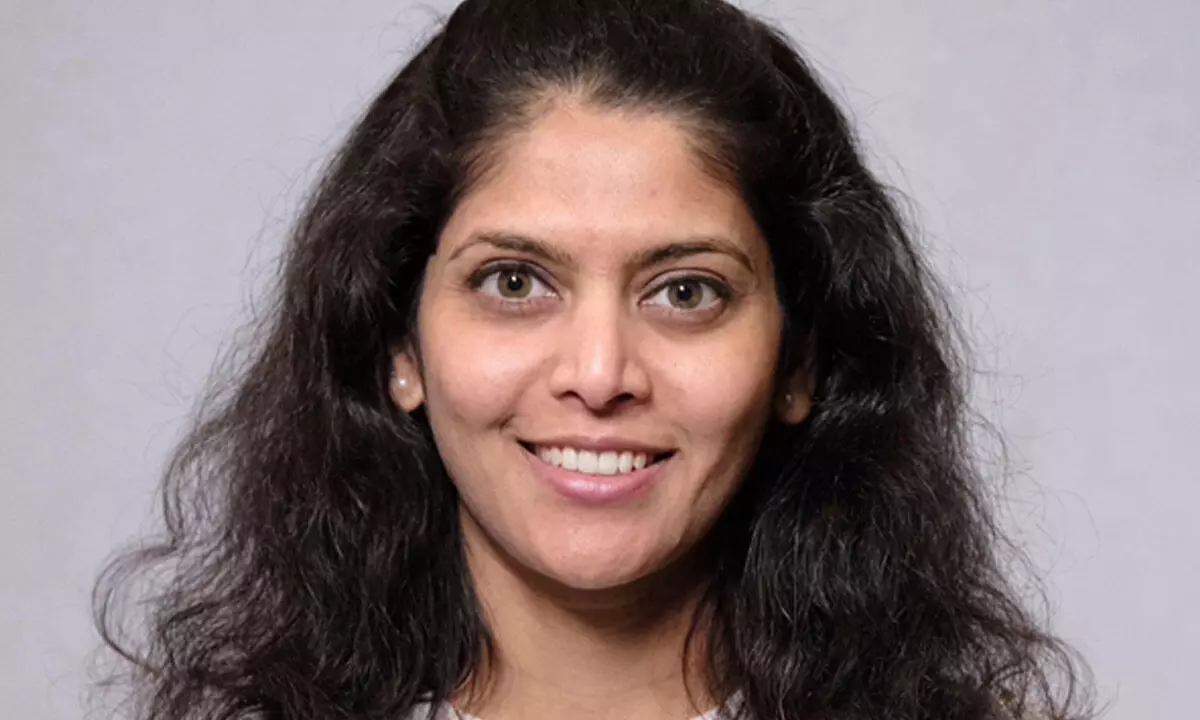
Mohini Todkari shared insights on how she’s reshaping geospatial innovation through user-centric design, agile leadership, and cutting-edge technologies. She spoke about overcoming technical challenges, fostering collaboration, and preparing for the next wave of spatial intelligence
In the dynamic field of geospatial technology, Mohini Todkari stands out as a visionary leader who merges deep technical knowledge with a strategic, human-centric approach. Based in Los Angeles, California, and holding a Master of Science in Geospatial Information Science from the University of Texas at Dallas, Mohini has spent over a decade pioneering solutions that make location data both meaningful and accessible.
“My fascination with geospatial technology began when I realised how deeply location influences everything—from how we navigate cities to how we plan for climate resilience,” she says. With a background in computer science and a passion for spatial analysis, she has carved out a niche in building intuitive mapping platforms that empower users at every level of technical expertise.
In her leadership roles, Mohini emphasises structure and adaptability. “I rely on agile methodologies to manage complex projects,” she explains. “Having clear milestones and a strong sprint cadence helps us stay innovative without losing sight of deliverables.” With certifications in both PMP and Scrum, she’s known for orchestrating high-performing teams that balance speed with precision.
Yet for Mohini, technology is only half the story. “The biggest challenge is often translating complex spatial data into something people can interact with and understand,” she notes. To meet this challenge, she champions user-centered design and iterative development. “We constantly test usability and gather feedback—it’s the only way to ensure what we build resonates with real-world needs.”
Her success metrics blend performance and experience. “Yes, we look at response times and rendering speeds, but we also value user adoption and satisfaction,” she says. “It’s not enough for a platform to work; it has to be impactful.”
Mohini fosters a culture of innovation, encouraging her teams to explore new technologies. “We run innovation workshops and reserve time for exploration projects. It’s about creating space for curiosity,” she adds. This forward-thinking mindset keeps her teams at the cutting edge of developments like AI-powered spatial analytics, real-time data processing, and augmented reality interfaces.
Collaboration is central to her approach. “Working with diverse teams—from UX designers to data scientists—means bridging different languages and mindsets,” she shares. She addresses technical disagreements with data and prototypes. “When everyone sees the results, it shifts the conversation from opinion to evidence.”
Looking ahead, Mohini is excited by the rise of cloud-native GIS, IoT integration, and evolving data privacy norms. “These trends will redefine how we build and use geospatial tools,” she predicts.
For Mohini Todkari, geospatial technology is more than a field—it’s a force for transformation. “Our job,” she says, “is to turn complexity into clarity and data into decisions.”