The path of reforms in higher education

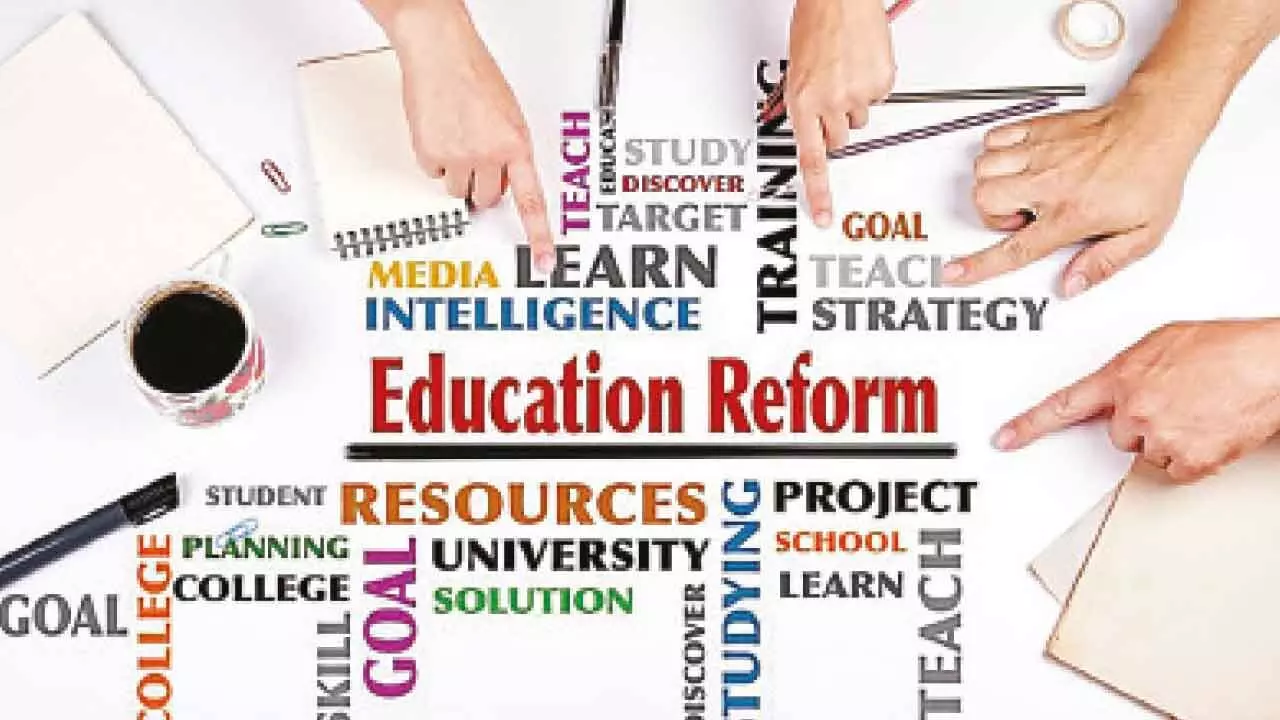
Education, particularly higher education, will play a decisive role in achieving the vision of Viksit Bharat–2047. In a knowledge-driven global order, India’s aspiration to emerge as a Vishwaguru depends on its ability to equip the youth with modern skills, research aptitude, and critical thinking, A strong, inclusive, and forward-looking higher education system is therefore indispensable, In this context, the Government of India’s recent initiatives to reform the higher education sector assume great significance.
The Cabinet’s approval of the Viksit Bharat Shiksha Adhikshan Bill aimed at bringing higher education under a single regulatory framework can be seen as a crucial step in this direction.
The University Grants Commission (UGC), established in 1956, has played a pivotal role in organising and regulating India’s higher education system for nearly seven decades. It paved the way for granting recognition to universities, ensuring quality standards, allocating funds, and promoting research. Under the leadership of eminent educationists such as D S Kothari and G Ram Reddy, the UGC has contributed significantly to the expansion of higher education and the promotion of social equity. The growth of public universities and the strengthening of a research culture were among the notable achievements of this period.
However, the economic reforms introduced after 1991 led to rapid privatisation of the higher education sector. With regulatory controls gradually weakening, thousands of private colleges, deemed universities, and engineering institutions emerged across the country. This expansion, unfortunately, was not matched by adequate quality monitoring. As a result, serious deficiencies crept into the system, including exorbitant fee structures, substandard teaching, and the commercialisation of degrees. Critics argue that the UGC and other regulatory bodies failed to respond effectively to these challenges.
Faculty shortage in public universities has emerged as another grave concern. Nearly 20 per cent of teaching positions in central universities and over 50 per cent in state universities remain vacant. This has adversely affected both teaching quality and research output. Outdated curricula that do not keep pace with contemporary developments further alienate students from current knowledge and industry requirements. An education system focused merely on certificates rather than skill development has placed the future of the youth at risk.
The accreditation mechanism, which is meant to ensure quality, has also shown serious shortcomings. Institutions lacking even basic infrastructure have managed to secure accreditation, eroding public trust in the system. Consequently, Indian universities continue to lag in global rankings, unable to compete with international institutions on academic and research parameters.
Recognising these systemic flaws, the National Education Policy (NEP) 2020 laid down a comprehensive roadmap for transformative reforms in higher education, Key proposals include bringing multiple regulatory bodies under a single umbrella, enhancing academic autonomy, and shifting towards a quality-based regulatory framework Viewed in this light, the recently approved bill represents a positive and timely development in India’s higher education reform agenda.
Nevertheless, the success of these reforms will ultimately depend on effective implementation. Transparent enforcement of regulations, stringent oversight of private institutions, expedited faculty recruitment, and adequate funding for research and fellowships are urgently required. Equally important is coordinated action between the central and state governments to translate policy intent into ground-level impact.
If policymakers approach education as an investment in the nation’s future rather than as expenditure, India’s higher education system can evolve to meet global standards and offer meaningful opportunities to its youth. Only then can India truly emerge as a Vishwaguru in both spirit and substance.
Dr Chintha Yellaswamy, Sammakka–Sarakka Central Tribal University, TG