When Boiled Water Turns Risky: Everyday Habits That May Undermine Your Health

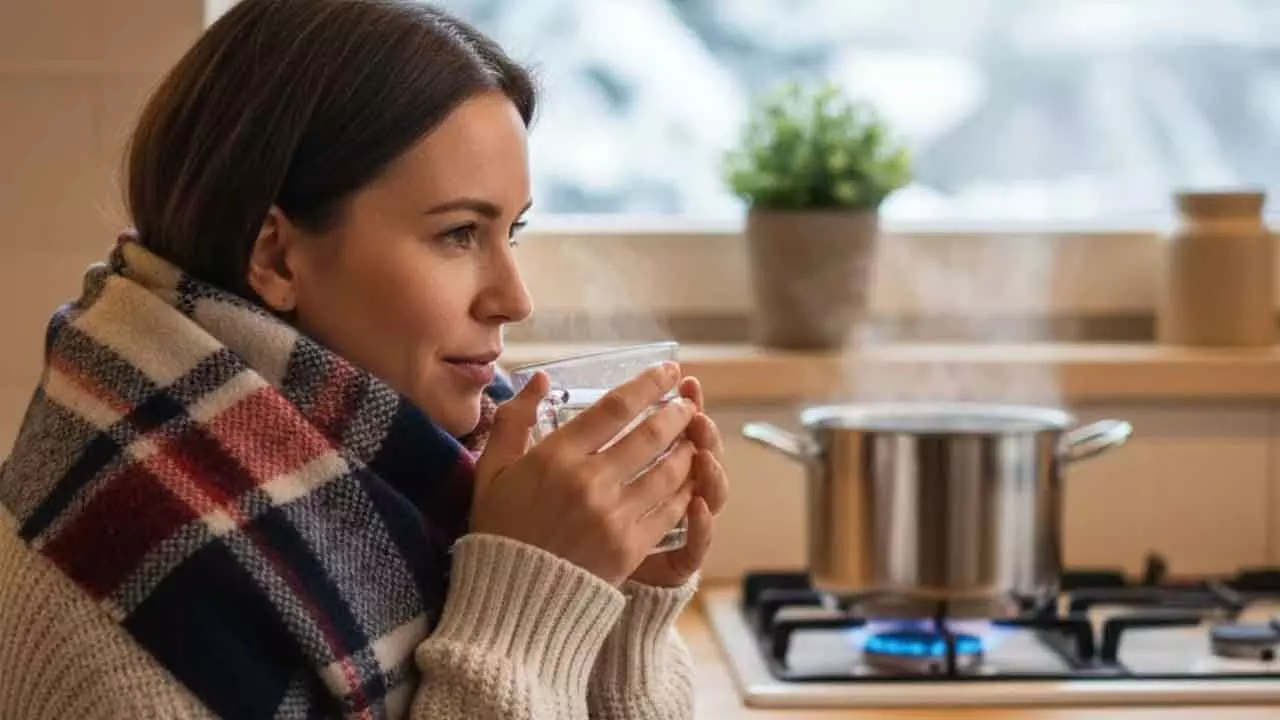
Boiled water supports winter wellness, but common boiling and storage errors can quietly reduce its safety and long-term health benefits.
Drinking boiled water has long been considered a simple and effective way to stay healthy, especially during the colder months. Across many households, starting the day with a glass of warm, boiled water is seen as a protective habit that supports digestion and reduces the risk of seasonal infections. With growing awareness around hygiene and water safety, this routine has become even more common among people of all ages.
The basic idea behind boiling water is straightforward. Heat destroys harmful bacteria, viruses, and other microorganisms that may be present in untreated water, making it safer for consumption. In regions where water quality can be uncertain, boiling remains one of the easiest and most reliable purification methods. However, while the intention is good, the way boiled water is prepared, handled, and stored can greatly affect how beneficial it truly is.
One of the most frequent mistakes people make is repeatedly boiling the same batch of water. Many households reheat leftover boiled water instead of preparing a fresh batch. While this may seem harmless, repeated boiling causes water to become more concentrated as some of it evaporates each time. As a result, naturally occurring elements such as nitrates, fluoride, and trace metals can build up to higher levels. Over time, consuming overly concentrated water may place unnecessary strain on the kidneys and digestive system, particularly for those who already have underlying health issues.
Another overlooked factor is how long water is kept on the heat. Once water reaches a strong boil, most disease-causing organisms are already eliminated. Extending the boiling process far beyond this point does not make the water safer. Instead, prolonged boiling leads to excessive evaporation and a loss of dissolved oxygen, which affects the taste and freshness of the water. Oxygen-depleted water often tastes flat and may feel less refreshing, making people less likely to drink enough throughout the day.
Storage practices are just as important as boiling. Hot water should never be poured into low-quality plastic bottles or containers. When plastic comes into contact with heat, it can release chemical compounds into the water. Some of these substances are linked to hormonal imbalances and may have long-term health implications. To avoid this, boiled water should always be transferred into clean glass, stainless steel, or copper vessels and kept properly covered to prevent contamination.
The timing of consumption also matters. Boiled water is best used within 24 hours. When stored for too long, especially if left uncovered, it can lose its freshness and may become vulnerable to airborne bacteria and impurities. Freshly boiled and properly stored water offers the greatest benefit.
To get the most out of this healthy habit, water should be boiled until it begins bubbling vigorously, then allowed to cool naturally. Once cooled, it can be stored in suitable containers and consumed throughout the day. Preparing fresh batches daily ensures that the water remains safe, clean, and pleasant to drink.
Boiled water can be a powerful ally in maintaining good health, particularly during winter when immunity often needs extra support. By paying attention to how it is boiled, reheated, and stored, people can continue to enjoy its benefits without unknowingly putting their well-being at risk.