Warm Rice or Cold Rice: Which Choice Supports Better Gut Health and Overall Wellness?

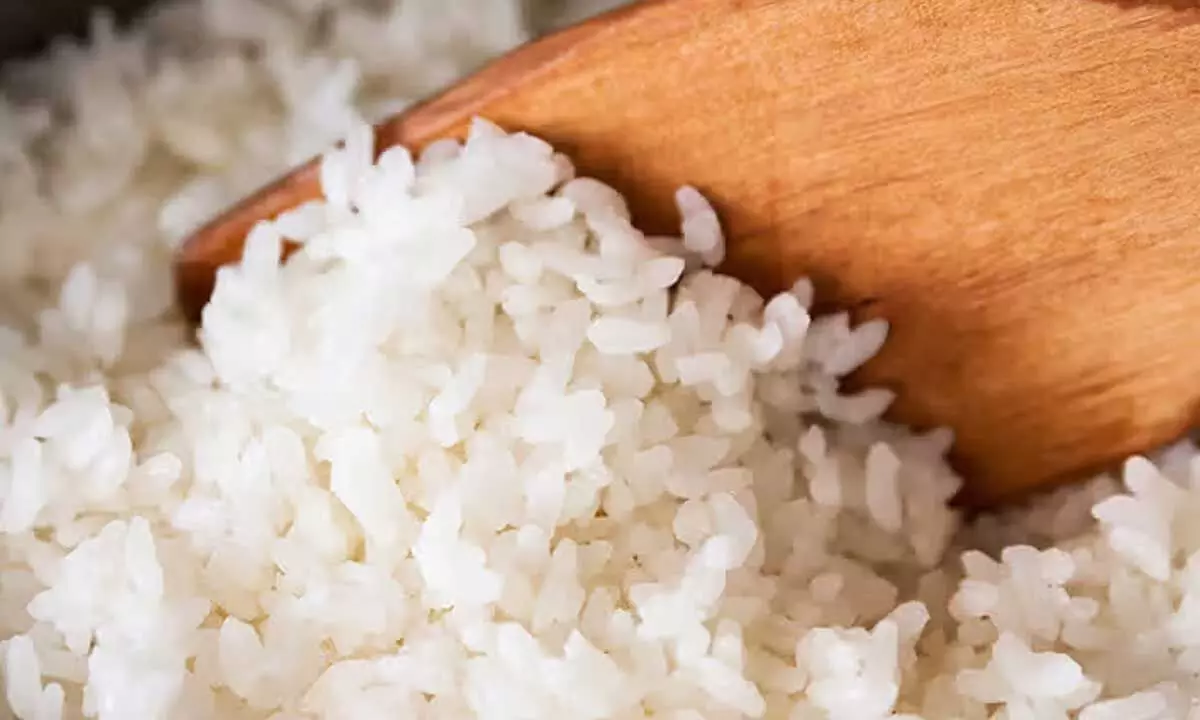
Warm rice aids easy digestion and quick energy, while cold rice supports gut health, weight control, and better blood sugar balance
Rice is deeply woven into everyday Indian meals, enjoyed across regions in countless forms—from comforting steamed rice to fermented idlis and indulgent biryanis. Despite its familiarity, a common health question continues to spark debate: is warm rice healthier, or does cold rice offer more benefits for digestion, blood sugar control, and overall well-being?
The answer is not one-size-fits-all. Both warm and cold rice have distinct nutritional advantages, and the healthier option often depends on individual health needs and lifestyle goals.
Benefits of Warm Rice
Freshly cooked warm rice is soft, aromatic, and easy on the stomach. Its starch remains in a natural, gelatinised form, making it simpler to digest. Because it breaks down quickly into glucose, warm rice provides rapid energy. This makes it a good option for people who need quick fuel, such as those recovering from illness, individuals with weak digestion, or people engaged in physically demanding work.
Warm rice is also comforting and soothing, especially during cooler weather or when paired with light dals and vegetables. For many, it feels more satisfying and easier to eat than chilled or reheated rice.
Side Effects of Warm Rice
Despite its benefits, warm rice can cause quicker spikes in blood sugar levels. It contains less fibre-like starch, which means it is digested rapidly. For people with diabetes, insulin resistance, or those actively trying to lose weight, frequent consumption of warm rice may not be ideal without portion control or added fibre.
Benefits of Cold (Reheated) Rice
Cold rice, often referred to as reheated rice, is gaining attention for its gut-friendly properties. When cooked rice is cooled for several hours—typically 8 to 12 hours—some of its carbohydrates transform into resistant starch. This type of starch is digested slowly, which helps prevent sudden blood sugar spikes.
Resistant starch behaves like dietary fibre. It keeps you fuller for longer and feeds beneficial gut bacteria. These bacteria produce short-chain fatty acids that support digestion, improve gut health, and strengthen immunity. Because of these effects, cold or reheated rice is often recommended for people focused on weight management, blood sugar control, and long-term metabolic health.
Side Effects of Cold Rice
Food safety is crucial when consuming cold rice. If cooked rice is left at room temperature for too long, bacteria such as Bacillus cereus can multiply. This may lead to nausea, vomiting, diarrhoea, or stomach cramps. To avoid this risk, rice should be cooled quickly, stored properly in the refrigerator, and reheated thoroughly before eating.
Cooking Methods Matter
How rice is prepared also influences its nutritional profile. Common methods include boiling and draining, absorption cooking, steaming, and pressure cooking. Each technique affects texture, starch content, and nutrient retention, playing a role in how rice impacts digestion and blood sugar.
So, Which One Is Healthier?
Both warm and cold rice can be part of a healthy diet. Warm rice is easier to digest and offers quick energy, while cold or reheated rice supports gut health, weight loss, and sugar control. The healthiest choice depends on personal health conditions, dietary goals, and how the rice is stored and prepared.