How to Trek Everest Base Camp from India

For many trekkers in India, the idea of walking to Everest Base Camp feels both exciting and overwhelming. You may know people who have done it, watched countless videos, or read scattered advice online, yet the actual planning still feels unclear. Questions about routes, costs, fitness, permits, and safety often come without straightforward answers. This uncertainty is usually what delays people, not the difficulty of the trek itself.
This guide is written specifically for Indian trekkers who want practical, honest information without exaggeration or confusion. It explains how to trek Everest Base Camp from India in a logical and realistic way. You will learn how to reach Nepal, choose the right trekking route, understand permit requirements, prepare physically, and avoid common mistakes that many first-time trekkers make.
The Everest Base Camp Trek does not require technical climbing skills, but it does demand preparation, patience, and respect for altitude. When approached correctly, it becomes one of the most rewarding journeys in the Himalayas. By the end of this article, you should clearly understand what the trek involves and whether it fits your goals, timeline, and experience level.
Understanding the Everest Base Camp Trek
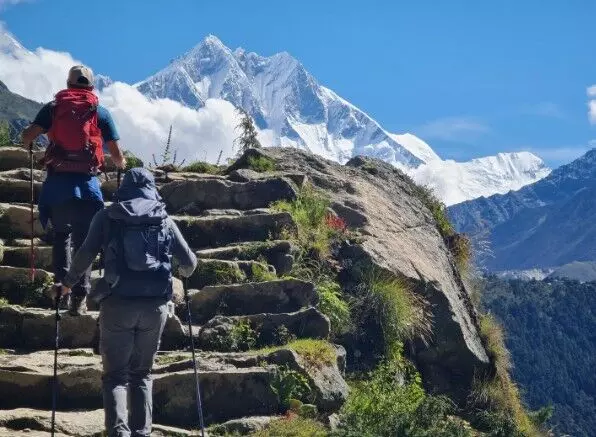
The Everest Base Camp trek leads you to an altitude of approximately 5,364 meters in Nepal’s Khumbu region. The trail follows traditional Sherpa trade routes and passes through mountain villages, monasteries, suspension bridges, and glacial valleys. Along the way, you walk beneath some of the world’s highest peaks, including Everest, Lhotse, and Ama Dablam.
This trek is not a climb and does not involve ropes or technical equipment. The real challenge comes from high altitude, long walking days, cold temperatures, and limited comforts. Indian trekkers who are familiar with hill stations or short Himalayan treks often underestimate the cumulative strain of walking for nearly two weeks at altitude. With proper acclimatization and pacing, however, the trek remains achievable for motivated beginners.
How to Reach Nepal from India
Most Indian trekkers begin their journey by traveling to Kathmandu, the capital of Nepal. Flying is the most convenient option, with direct flights available from major Indian cities such as Delhi, Mumbai, Kolkata, and Bengaluru. This saves time and reduces fatigue before the trek begins, which is important when your body needs to adapt to altitude later.
Traveling by road is another option and is often chosen by budget conscious travelers. Popular border crossings include Sunauli, Raxaul, and Panitanki. From these borders, buses or private vehicles connect to Kathmandu. While cheaper, this option takes longer and can be tiring, especially if roads are congested or weather conditions are poor.
Some trekkers combine train and road travel by reaching cities like Gorakhpur or Raxaul by train and continuing onward by bus. This approach requires patience and flexibility but remains a viable option for those with more time.
Getting from Kathmandu to the Everest Region
The most common way to reach the Everest region is by taking a short flight from Kathmandu or Manthali to Lukla. Lukla is the starting point of the classic Everest Base Camp trek and is known for its short runway and unpredictable weather. Flights are frequently delayed or canceled due to cloud cover and wind conditions, particularly during peak trekking seasons.
Because of these uncertainties, trekkers should plan buffer days into their itinerary. Luggage weight limits on Lukla flights are strict, and excess baggage often requires additional fees or alternative transport. For those who prefer to avoid flying, it is possible to travel by road to places like Salleri or Jiri and trek for several extra days to reach the main trail. This option adds time but allows for a more gradual ascent and reduced reliance on flights.
Permits Required for Indian Trekkers
Indian citizens do not require a visa to enter Nepal, but trekking permits are mandatory for the Everest region. The Sagarmatha National Park Permit is required to enter the protected area that includes Everest Base Camp. In addition, trekkers must obtain the Khumbu Pasang Lhamu Rural Municipality Permit, which supports local infrastructure and conservation.
These permits are checked at multiple points along the trail. They can be obtained in Kathmandu or at Monjo, the entry checkpoint to Sagarmatha National Park. Most trekkers arrange permits through their trekking agency, while independent trekkers can obtain them directly without much difficulty.
Trekking Route Overview
The classic Everest Base Camp route begins at Lukla and follows a well established trail through Phakding, Namche Bazaar, Tengboche, Dingboche, Lobuche, and Gorakshep before reaching Everest Base Camp. Kala Patthar is usually climbed the following morning for sunrise views of Everest, as the mountain itself is not visible from base camp.
This route includes planned acclimatization days at Namche Bazaar and Dingboche. These rest days are essential for allowing the body to adapt to altitude and significantly reduce the risk of altitude sickness. The complete trek, including ascent and descent, usually takes between 12 and 14 days from Lukla.
Best Time to Trek from India
Spring and autumn are considered the best seasons for the Everest Base Camp trek. Spring, from March to May, offers gradually warming temperatures and blooming rhododendrons at lower elevations. Visibility is generally good, and conditions are stable for trekking.
Autumn, from September to November, is the most popular season. The monsoon clears the dust from the air, resulting in sharp mountain views and stable weather. Trails are busier during this period, but conditions are ideal for most trekkers.
Winter trekking is possible but colder, with snow at higher altitudes, while the monsoon season brings heavy rain, slippery trails, and frequent flight disruptions.
Fitness Preparation for Indian Trekkers
Physical preparation is one of the most important aspects of a successful Everest Base Camp trek. Many Indian trekkers assume that general fitness is enough, but endurance matters more than strength. The trek involves walking for five to seven hours a day on uneven terrain while carrying a backpack.
Training should focus on cardiovascular endurance through walking, stair climbing, cycling, or running. Strengthening the legs and core helps reduce fatigue and injury risk. Practicing long walks with a loaded backpack prepares the body for daily trekking demands. Starting training at least two to three months in advance greatly improves comfort and confidence on the trail.
Accommodation and Food on the Trail
Accommodation along the Everest Base Camp trek is provided by teahouses, which are simple mountain lodges run by local families. Rooms usually have twin beds with basic bedding, while bathrooms may be shared, especially at higher altitudes. Facilities become more basic as elevation increases, and hot showers or charging electronics often cost extra.
Food on the trail is designed to provide energy and warmth. Meals typically include dal bhat, noodles, soups, rice dishes, and simple Western options. Prices increase with altitude because supplies are carried by porters or animals. Eating well and staying hydrated is essential for maintaining energy and supporting acclimatization.
Cost Breakdown from India
The cost of trekking Everest Base Camp from India varies depending on travel style and support level. Major expenses include flights to Kathmandu, Lukla flights, permits, accommodation, food, guide and porter services, travel insurance, and trekking gear.
Trekking independently may appear cheaper, but guided treks often provide better value by simplifying logistics and improving safety. Indian trekkers should focus on realistic budgeting rather than choosing the lowest possible cost, as cutting corners at high altitude can lead to discomfort or risk.
Guided Trek vs Independent Trek
Choosing between a guided trek and independent trekking depends on experience and confidence. Trekking with a guide offers structured acclimatization, local knowledge, and support in case of illness or logistical problems. This is especially valuable for first time high altitude trekkers from India.
Independent trekking is feasible for experienced trekkers who understand altitude sickness, route navigation, and emergency procedures. However, it requires careful planning and self discipline. For most Indian trekkers attempting Everest Base Camp for the first time, a guided trek remains the safer and more comfortable choice.
Practical Insights for Indian Trekkers
Many trekkers benefit from carrying a few familiar Indian snacks, especially at higher altitudes where food options are limited. Drinking enough water is critical, even when you do not feel thirsty. Walking slowly from the first day helps the body adjust to altitude more effectively than pushing speed or distance.
Common mistakes include skipping acclimatization days, packing too much weight, ignoring early symptoms of altitude sickness, and underestimating cold temperatures. Travel insurance that covers high altitude trekking and emergency evacuation is essential and should never be skipped.
Experienced guides consistently advise trekkers to respect altitude and listen to their bodies. Fitness does not guarantee protection from altitude sickness, and symptoms can affect anyone. Slow ascent and patience are the most reliable tools for success.
Conclusion
Trekking to Everest Base Camp from India is a demanding but deeply rewarding journey. Success depends far more on preparation and mindset than on physical strength alone. With realistic expectations, proper training, and careful planning, Indian trekkers can complete this trek safely and enjoyably.
This Everest base camp trek guide shows that the journey is achievable for those willing to prepare well and respect the mountains. Take your time, plan smartly, and prioritize health over speed. The experience of standing beneath the world’s highest peaks will make every effort worthwhile.