






- White House aide Stephen Miller predicts US' 'greatest two years'
- Trump cites India's growth to press Fed on rates
- Telangana Government launches logo and tagline contest for Godavari Pushkaralu
- Graduate voter enrolment crosses 12.69 lakh in Telangana
- Supreme Court dismisses Telangana rice millers’ pleas
- GHMC warns traders of 100% penalty for no trade licence
- HYDRAA launches restoration works of Amber Cheruvu
- Harish Rao rattled by Revanth’s Siddipet meeting, say Congress leaders
Today is Family Volunteering Day: Teaching children the value of giving back
In Short
Discover how family volunteering helps parents and children bond while building empathy, social responsibility, teamwork, and everyday life skills through community action.

Share :
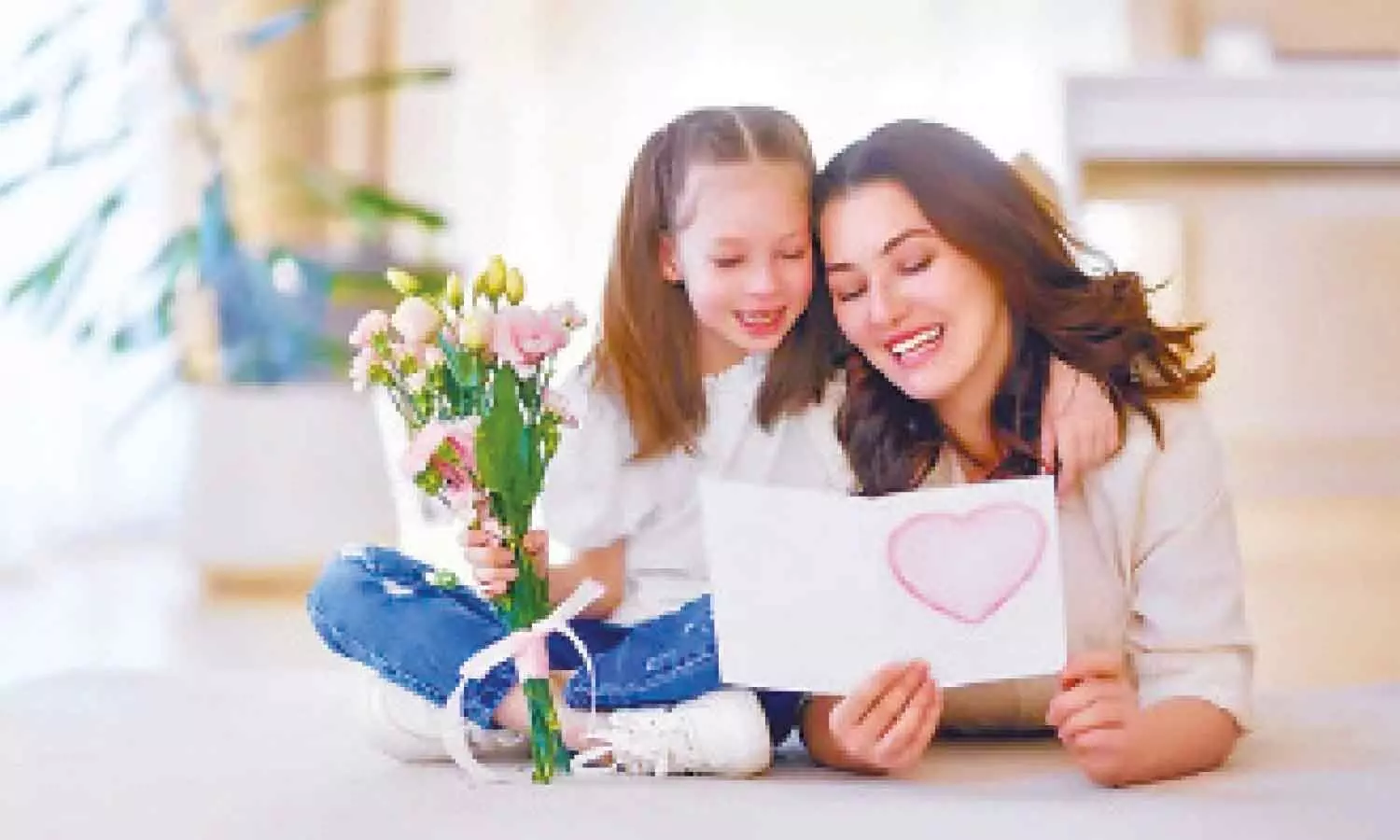
Teaching children the value of giving back
Family volunteering offers a meaningful way for parents and children to spend time together while contributing to their communities. Whether it involves supporting a local charity, participating in a neighbourhood clean-up, helping at an animal shelter or visiting an old-age home, volunteering allows families to turn shared values into positive action.
Beyond the immediate benefits to the community, these experiences can play an important role in a child’s social and emotional development. When children volunteer alongside their parents, they learn the importance of empathy, kindness, cooperation and responsibility. They begin to understand that people have different needs and circumstances, and that even small acts of support can make a difference.
One of the greatest advantages of family volunteering is the opportunity it creates for meaningful bonding. In busy households, everyday routines often leave limited time for shared experiences beyond school, work and other responsibilities. Volunteering introduces a common purpose that brings family members together. Working towards a shared goal encourages communication, teamwork and mutual understanding.
These experiences can also help children develop a sense of belonging and social responsibility. By interacting with people from different backgrounds and contributing to community initiatives, they gain perspectives that may not always emerge in a classroom setting. Such interactions encourage them to look beyond their immediate surroundings and become more aware of the world around them.
Family volunteering can also strengthen important life skills. Children learn to work in teams, solve problems, communicate with others and take responsibility for tasks. More importantly, they see their parents demonstrating compassion through action. This example can have a lasting influence on how children approach relationships and their responsibilities towards others.
BRS main political rival, BJP no competitor: CM Revanth
Ronaldo will be invited to state soon: Revanth
Raj Gopal continues tirade against Revanth
CM Chandrababu Naidu sets Dec 2027 IPO target for APMDC
TG’s engineering, pharma exports zoom 68% in 3 yrs
Godavari water lifeline for Hyderabad nearing reality


