Sugar-free? Really?

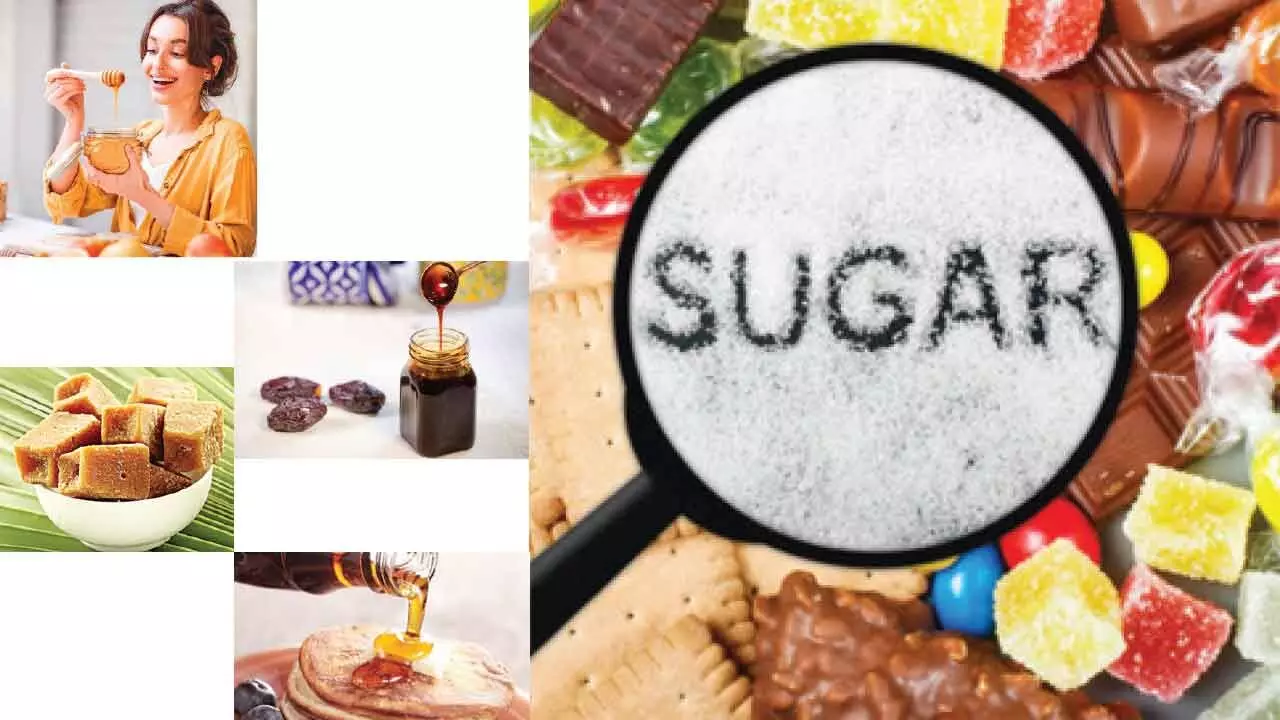
To influence our psyche, many companies and even individual bakers use the term “sugar-free” — which often only means no refined white sugar. Instead, they add other processed or artificial sweeteners, some of which may be just as harmful, or even worse, than sugar itself. There’s a reason they’re called artificial sweeteners. In fact, manufacturers use over 100 different names for these substances, and most products contain a combination of them. So the next time you see sugar-free, put on your detective cap and read labels carefully. Ask questions. As a rule, if the fibre is intact, it’s acceptable — whole fruits, dates, raisins, figs, apricots, dried berries. If the fibre is removed or the product is refined, it’s not worth putting into your invaluable body. If it’s just a chemical substance instead of real food, be on your guard.
Let’s look at some commonly used “sugar-free” alternatives and why they may be problematic:
1. Date syrup
Once the fibre is removed, it behaves much like sugar, causing rapid blood-sugar spikes.
2. Jaggery / Molasses
Less refined than white sugar, but still high in calories and may contribute to weight gain, tooth decay, digestive issues, and acne when consumed regularly.
3. Honey
Often produced using sugar-fed bees; residues of antibiotics or pesticides may be present. Regardless, honey is still concentrated sugar and calorie-dense.
4. Stevia
Extremely sweet — can raise the sweetness threshold, leading to stronger sugar cravings. Some people experience bloating, gas, gut microbiome disturbances, and possible hormonal effects.
5. Coconut syrup / sugar
High in calories and sugars; excessive intake may strain the liver due to its fructose and sucrose content.
6. Maple syrup / Agave syrup
Highly refined and sugar-dense. Many commercial maple syrups contain added high-fructose corn syrup. Agave is particularly high in fructose and may be metabolically worse.
7. High-fructose corn syrup (HFCS)
Cheap and widely used. Strongly linked to type 2 diabetes, metabolic syndrome, and non-alcoholic fatty liver disease.
8. Monk fruit sweeteners
Pure monk fruit is rare and expensive. Most products mix it with erythritol or dextrose, negating any benefit.
9. Erythritol / Xylitol
Emerging evidence
links frequent use to increased cardiovascular risk, blood clots, and digestive distress.
10. Aspartame
Associated with insulin resistance, type 2 diabetes, and concerns around hormonal imbalance and hormone-related cancers.