Smart Ways to Reuse Cooking Oil Safely at Home

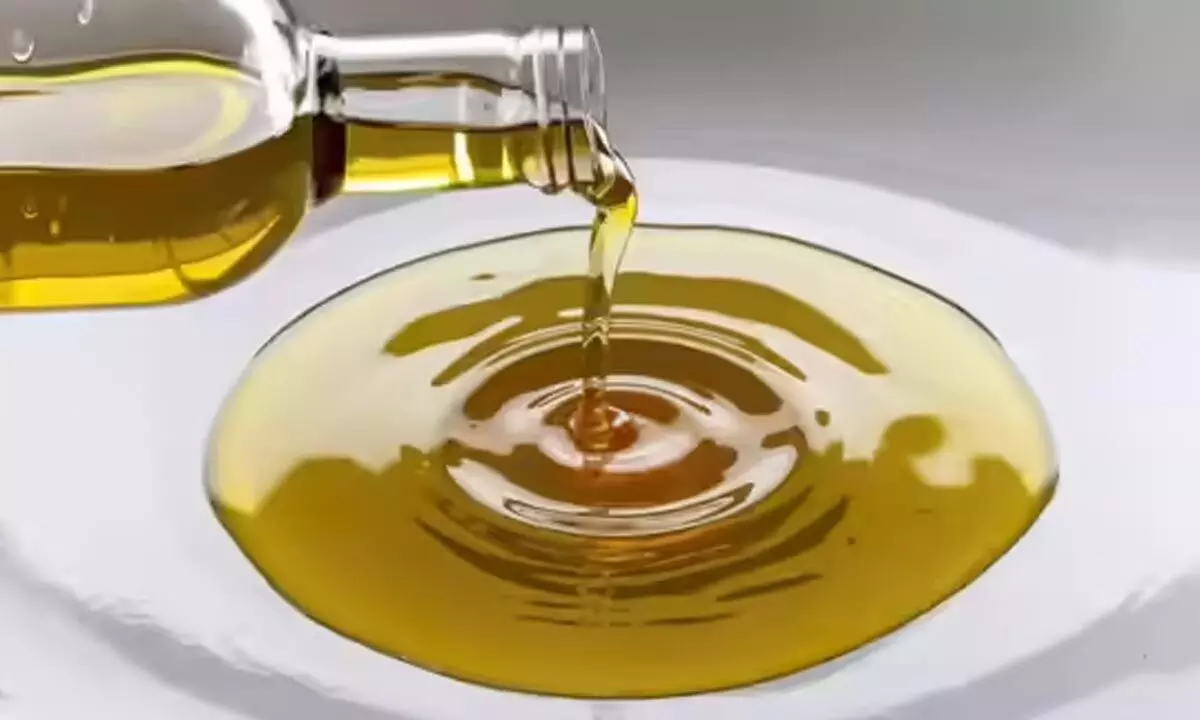
Simple kitchen techniques can clean, refresh, and safely reuse cooking oil, helping households reduce waste and save money daily.
Cooking Indian dishes like pakodas, puris, or samosas often means deep frying in generous amounts of oil. Once cooking is done, the leftover oil frequently turns dark, cloudy, or filled with food particles, prompting many people to discard it immediately. While throwing it away may seem like the safest choice, doing so every time can be wasteful and expensive.
If the oil is not burnt or giving off an unpleasant smell, it can usually be reused a few times with proper care. With a few easy kitchen hacks, you can extend the life of your cooking oil without compromising safety or taste. Here are some simple, practical methods to clean and reuse oil at home.
Strain the Oil Immediately After Use
The easiest way to reuse cooking oil is by straining it as soon as it cools down slightly after frying. During deep frying, crumbs, spices, and batter bits settle into the oil, making it look dirty and causing it to degrade faster.
Using a fine mesh sieve, cheesecloth, coffee filter, or even a thick paper towel helps remove these particles effectively. Pour the oil slowly through the strainer into a clean, dry container. Removing residue early prevents further burning and helps keep the oil clearer for the next use.
Always store strained oil in an airtight jar or bottle to protect it from moisture and contaminants.
Use Cornstarch to Absorb Impurities
If the oil still appears cloudy or dark even after straining, a simple cornstarch trick can help restore its clarity. This method works well for removing fine particles that regular filtering might miss.
Heat the oil gently over low heat. Meanwhile, mix a small amount of cornstarch with water to create a paste. Add this mixture to the warm oil while stirring continuously. The cornstarch binds with the tiny burnt bits and impurities.
Within minutes, the mixture forms clumps that trap unwanted particles. Once cooled, strain the oil again. The result is noticeably cleaner and clearer oil that can be reused for cooking.
Refresh Oil with Lemon Pieces
Another natural method involves using lemon pieces to clean the oil. When heated, lemon helps attract and bind small black particles floating in used oil.
Warm the oil lightly and drop in a few small lemon slices. Stir gently for a short time. The impurities stick to the lemon, making them easier to remove. Afterward, strain the oil to separate the lemon pieces and residue.
This method also helps reduce strong odors, leaving the oil fresher for the next cooking session.
Store Oil Properly for Longer Life
Even clean oil can spoil quickly if stored carelessly. After filtering, allow the oil to cool completely before transferring it to a container. Use glass or steel jars with tight lids rather than plastic containers.
Keep the oil in a cool, dark place away from direct sunlight and heat. Labeling the container helps you track how many times it has been reused. Proper storage prevents rancidity and preserves flavour.
Repurpose Oil for Household Use
When oil becomes unsuitable for cooking but is not completely spoiled, consider alternative uses instead of discarding it. Small amounts of used oil can be repurposed to lubricate squeaky hinges, loosen rusted tools, or maintain garden equipment.
This approach reduces waste and makes better use of what would otherwise be thrown away.
While reusing oil is practical, moderation is important. Avoid reusing oil that smells rancid, looks excessively dark, or foams heavily during heating. Overused oil can affect both taste and health.
By following these simple kitchen hacks, you can save money, cut down waste, and make your cooking routine more efficient without compromising safety.