Smart Ways to Protect Your Hands During Winter Laundry

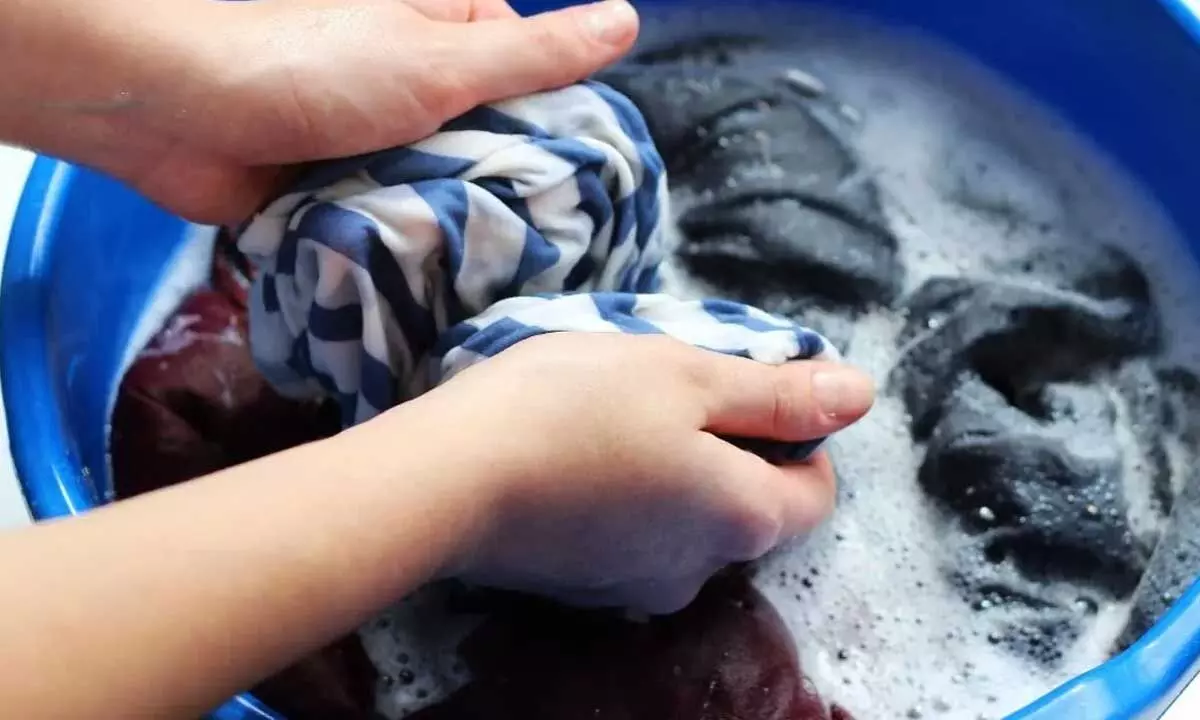
Simple winter-friendly laundry tips can prevent numb, dry hands and make washing clothes more comfortable even in icy conditions.
Washing clothes by hand remains a daily routine for many households across India, especially in regions where winters bring biting cold and freezing water. While washing machines have eased the workload for some, countless people still rely on traditional handwashing, which can be painful during colder months.
Cold water causes blood vessels in the hands to tighten, reducing circulation and making fingers feel stiff, numb, and sometimes painfully cold. Prolonged exposure can also lead to dryness, cracking, and irritation. Fortunately, a few simple habits can help keep hands warmer and healthier while doing laundry in winter.
One of the easiest solutions is wearing rubber gloves. These form a protective barrier between the skin and icy water, preventing direct exposure and reducing the risk of numbness and skin damage. Gloves also make it easier to wash clothes for longer periods without discomfort.
Using lukewarm water instead of extremely cold water is another effective method. Slightly warm water not only makes washing more comfortable but also helps loosen dirt and stains better than freezing water. It offers a practical balance without increasing energy costs significantly.
Taking care of hands after washing is just as important. Once laundry is done, drying the hands gently and applying natural oils such as coconut, mustard, or olive oil—or a rich moisturising cream—can help restore moisture, improve circulation, and protect the skin from dryness and itching.
Another useful trick is using naturally warmer water drawn from hand pumps or underground sources, especially in the morning. This water is often less cold than tap water and can make washing clothes more bearable without the need for heating.
By following these simple winter laundry tips, people can protect their hands from the harsh effects of cold water while continuing their daily household routines in comfort.