Smart Kitchen Tricks to Keep Vegetables Fresh in Summer

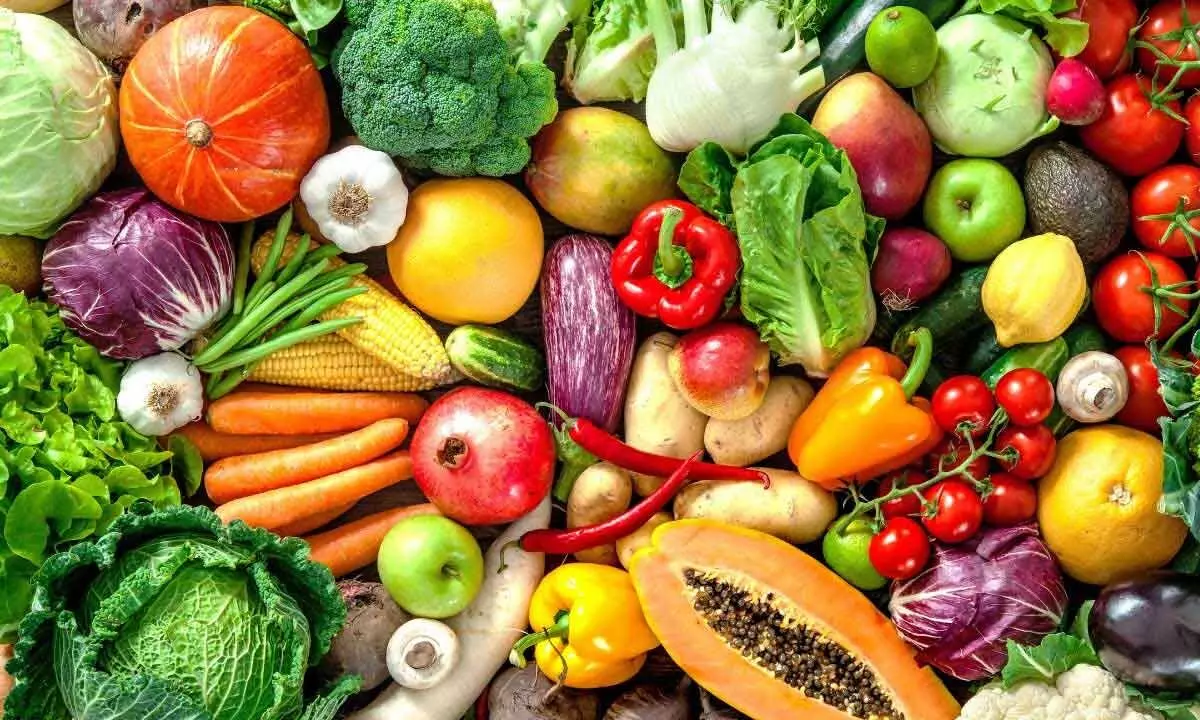
Simple storage habits and smart separation techniques can dramatically slow spoilage, keeping vegetables crisp, safe, and usable longer.
Rising temperatures during Indian summers don’t just make people uncomfortable—they also shorten the life of fresh produce. Many households notice leafy greens turning limp, tomatoes softening too quickly, and cucumbers losing their crunch within days. Heat and excess moisture create the perfect conditions for faster decay, leading to frequent food waste and repeated grocery trips.
The good news is that a few easy kitchen habits can significantly extend the freshness of vegetables. These practical methods don’t require special tools or expensive storage systems—just mindful handling and smarter organization.
Start With Proper Cleaning and Storage
Fresh produce often comes home packed in plastic bags that trap moisture and speed up spoilage. A better approach is to remove vegetables from their packaging as soon as possible. Rinse them thoroughly using lukewarm water to remove dirt and residue. Allow them to dry completely before storing, as excess water can cause faster rotting.
Dry vegetables stored in clean containers last noticeably longer. This simple step also improves kitchen hygiene and prevents cross-contamination inside the refrigerator.
Keep Leafy Greens Moist—But Not Wet
Leafy vegetables are highly sensitive to moisture imbalance. Too little hydration makes them wilt, while excess water turns them soggy. A balanced method works best.
Wrap greens such as spinach, coriander, fenugreek, and lettuce in a slightly damp paper towel. Place the wrapped bundle inside an airtight container or zip-lock bag before refrigerating. The paper towel maintains gentle moisture while absorbing excess water droplets, creating an ideal storage environment.
This method helps preserve texture, color, and nutrients, keeping greens fresh for several extra days.
Store Ethylene-Producing Vegetables Separately
Some vegetables naturally release ethylene gas, a plant hormone that speeds up ripening. While this is useful in farming, it can be problematic in storage. When ethylene-sensitive vegetables sit nearby, they spoil faster.
Tomatoes and onions are common ethylene producers found in most kitchens. These should be stored separately from vegetables like cucumbers, leafy greens, beans, and carrots, which are more delicate.
Creating separate storage zones—either different refrigerator compartments or countertop baskets—reduces premature spoilage and keeps produce usable longer.
Keep Onions and Potatoes Out of the Refrigerator
Refrigeration is not ideal for every vegetable. Onions and potatoes, staples in Indian cooking, actually deteriorate faster in cold storage.
Low temperatures convert potato starch into sugar, affecting both taste and texture during cooking. Onions, on the other hand, absorb moisture in refrigerators and become soft or moldy.
Both vegetables stay fresher in a cool, dry, and well-ventilated area away from direct sunlight. Storing them in mesh baskets or breathable bags helps maintain airflow and prevents sprouting.
It’s also important to keep onions and potatoes apart, as gases released by onions can speed up potato spoilage.
Treat Fresh Herbs Like Flower Stems
Tender herbs often wilt within a day or two if left unattended. A simple technique can keep them lively and aromatic much longer.
Trim the ends of herb stems such as coriander and mint, just like flower stems. Place them upright in a glass containing a small amount of water. Loosely cover the leaves with a plastic bag and store the setup in the refrigerator.
This method keeps herbs hydrated without drenching the leaves, preserving their flavor and appearance for several days.
Small Habits, Big Impact
Preventing food waste doesn’t always require major lifestyle changes. Thoughtful storage, moisture control, and proper separation can dramatically improve how long vegetables last in summer.
Adopting these everyday kitchen practices ensures fresher ingredients, better-tasting meals, and fewer last-minute grocery runs. Over time, these small adjustments save money, reduce waste, and make daily cooking more convenient.