RVs for Large Families: Finding the Right Floor Plan in the DFW Market

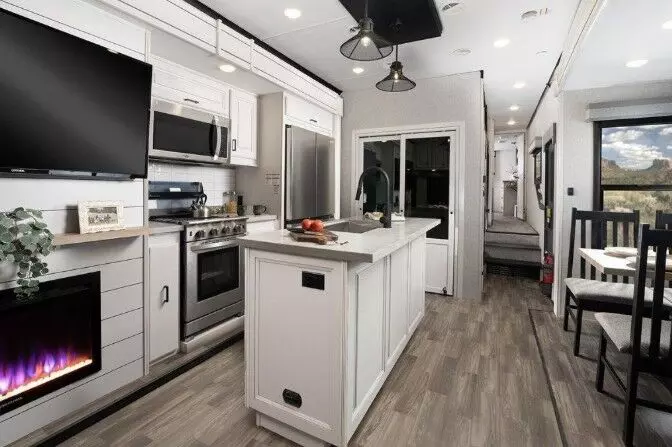
Finding the perfect RV for a large family requires careful consideration of sleeping capacity, living space, storage, and bathroom facilities that satisfy everyone's needs without breaking your budget. For Dallas-Fort Worth families ready to explore Texas and beyond, understanding bunkhouse floor plans and their variations helps you select an RV that keeps everyone comfortable during extended trips. When you're ready to see actual floor plans in person, visiting dealerships with New RVs in DFW allows your entire family to walk through models and test spaces before making this significant investment.
The difference between adequate sleeping capacity and comfortable living space often surprises first-time RV buyers who focus solely on bed counts without considering daily livability.
Understanding Bunkhouse Floor Plans
Bunkhouse RVs have revolutionized family camping by dedicating specific areas to children's sleeping and play spaces separate from adult areas.
What Defines a Bunkhouse RV
A bunkhouse RV features a dedicated sleeping area containing two or more bunk beds, typically located in the rear of the unit. Manufacturers indicate bunkhouse models with "BH" in model names, though some use "BL" (bunk living), "BR" (bunk room), or "MB" (mid-bunk) designations.
True bunkhouses include doors or curtains separating the sleeping area from main living spaces, providing privacy and noise reduction. Some manufacturers advertise "bunkhouse" models that merely have convertible dinettes or sofas without dedicated bunk rooms-verify actual floor plans before assuming you're getting a true bunkhouse.
Bunk configurations vary from simple double bunks (two beds) to elaborate quad-bunk arrangements sleeping four children. Some luxury models include junior suites with bunks plus separate twin beds, accommodating 6-8 children in one area.
Benefits Beyond Sleeping
Bunkhouses provide value beyond nighttime sleeping arrangements. During rainy days or extreme heat, the bunkhouse becomes children's activity space where they play games, read, watch movies, or simply escape adult supervision.
Teenagers appreciate bunkhouses as hangout spaces where they can listen to music, video chat with friends, or maintain some privacy from younger siblings and parents. This separation preserves family harmony during extended trips when constant togetherness strains patience.
Parents value bunkhouses because children's bedtimes don't force adults to retreat to bedrooms. After putting kids to bed, parents enjoy conversation, TV, games, or quiet reading in the main living area without disturbing sleeping children.
The psychological separation matters as much as physical separation. Knowing children are "in their room" creates structure and boundaries that camping in tents or cramped RVs without distinct spaces cannot provide. Much like travelers seeking quality best cafes in United States appreciate distinct atmosphere and carefully designed spaces, RV families benefit from floor plans that create purposeful zones for different activities and age groups.
Key Features Large Families Need
Beyond bunkhouse basics, several features determine whether an RV truly accommodates large family needs or simply offers adequate sleeping capacity.
Sleeping Capacity
Manufacturers' advertised sleeping capacity often includes uncomfortable or impractical sleeping surfaces. A trailer claiming to sleep 10 might count convertible dinette benches, sofas, and bunk beds-but actually fitting 10 people requires children sleeping on narrow dinette cushions or adults on short sofas.
Realistic sleeping capacity focuses on comfortable beds suitable for overnight use:
- Dedicated bunks: Full-size or larger
- Master bed: Queen or King
- Additional sleeping: Real mattresses, not just cushions
For family of six, seek RVs with 4 dedicated bunks plus master bedroom rather than models counting convertible furniture toward sleeping capacity. Growing children need actual beds, not makeshift arrangements.
Weight limits on bunks matter significantly. Lower bunks typically support 300-400 pounds, but upper bunks may limit weight to 150-200 pounds. Teenagers exceeding these limits cannot safely use upper bunks.
Bathroom Count
One bathroom for large families creates morning bottlenecks and evening frustrations. Children need bedtime routines, teeth brushing, and bathroom access without waiting in lines.
1.5 bathrooms (full bathroom plus half-bath) dramatically improve family dynamics. Half-baths containing toilet and sink handle quick needs without occupying the full shower/bathroom for extended periods.
Two full bathrooms represent luxury that large families truly appreciate. Morning chaos reduces when multiple people shower, use toilets, and brush teeth simultaneously.
Some bunkhouse fifth wheels position bathrooms at opposite RV ends-master bathroom near the bedroom and bunk bathroom near the bunkhouse. This configuration prevents children from traipsing through master bedroom for nighttime bathroom visits.
Storage Solutions
Large families accumulate substantial gear: clothing for various weather, toys and games, sports equipment, camping chairs, cooking supplies, and electronics. Inadequate storage creates chaos with items scattered throughout living spaces.
Quality RVs include:
- Dedicated closets in the master bedroom (not just wardrobes)
- Individual cubbies or shelves for each child's belongings
- Exterior storage compartments (pass-through storage is ideal)
- Pantry space for food storage
- Under-bed storage
- Overhead cabinets throughout
Visit RVs with your family's actual belongings to test whether storage accommodates your needs. Bring representative items-jackets, shoes, toys, toiletries-and see if designated storage spaces work realistically.
Separate Living Zones
Open floor plans look spacious but provide nowhere for family members to escape each other during extended trips. The best family RVs create distinct zones allowing simultaneous activities without conflict.
Ideal zoning includes:
- Bunkhouse for children
- Master bedroom for parents
- Main living area for family gathering
- Outdoor living space (awning coverage, exterior kitchen)
Some families prioritize mid-bunk floor plans positioning bunks in the RV's center rather than rear. This creates front and rear living zones, giving teenagers space away from younger children.
Kitchen Size
Cooking for large families requires adequate counter space, storage, and appliances. Tiny RV kitchens with single-burner stoves and mini-refrigerators frustrate meal preparation for 6+ people.
Look for:
- Residential-size refrigerators (12+ cubic feet)
- 3-4 burner stoves with oven
- Adequate counter space for meal prep
- Pantry storage for bulk food items
- Large sink for washing dishes
Outdoor kitchens extend cooking space and prevent heating the RV interior during hot Texas summers. Grilling burgers outside beats firing up interior stoves when temperatures exceed 95°F.
Outdoor Living Space
Large families naturally expand beyond RV interior spaces, making outdoor living amenities essential. Power awnings provide shade for hot afternoons, outdoor rugs define living spaces, and exterior speakers create ambiance.
Some RVs include outdoor entertainment centers with TVs, mini-refrigerators, and seating areas. These transform campsites into genuine outdoor living rooms where families gather after daytime activities.
Outdoor showers help rinse off beach sand, pool chlorine, or hiking dust before entering the RV. Keeping dirt outside preserves interior cleanliness and reduces cleaning burdens.
Top Bunkhouse Floor Plan Types for Large Families
Different RV types offer varying bunkhouse configurations suited to different family sizes, budgets, and travel styles.
Travel Trailer Bunkhouses
Travel trailer bunkhouses represent the most affordable entry into RV family camping, with options ranging from compact models under 25 feet to spacious units exceeding 35 feet.
Compact bunkhouse trailers measuring 20-25 feet sleep 6-8 people with dry weights under 5,000 pounds. Popular models include Coleman Light 22BX, Wildwood FSX 178BHSK, and Keystone Passport 2170RB.
These entry-level units typically feature double bunks, convertible dinette, and master queen bed. Basic amenities include small kitchens, single bathrooms, and limited storage. Prices range $20,000-$35,000, making them accessible for budget-conscious families.
Compact trailers tow behind mid-size SUVs or half-ton trucks, eliminating needs for expensive tow vehicle upgrades. However, living space feels cramped for families spending multiple consecutive days inside during poor weather.
Mid-size family bunkhouse trailers spanning 25-32 feet provide significantly improved livability while maintaining towability behind half-ton trucks. Models like Jayco Jay Flight SLX 261BHS, Grand Design Imagine 2600RB, and Cougar 30BHS dominate this segment.
These trailers sleep 7-10 people comfortably with true bunkhouses featuring doors, dedicated master bedrooms, and full-size bathrooms. Slide-outs expand living spaces dramatically when parked. Prices range $35,000-$60,000.
Mid-size bunkhouse trailers represent the sweet spot for many families, balancing affordability, space, and towability. Families of 4-6 find these models provide adequate space without overwhelming budgets or requiring heavy-duty tow vehicles.
Large bunkhouse trailers exceeding 32 feet maximize family space with dual entry doors, 1.5-2 bathrooms, and extensive storage. Popular models include Wildwood 32BHDS, Grey Wolf 26DBH, and Grand Design Reflection 303RLS.
These larger trailers often feature separate master bedrooms with closing doors, quad-bunk configurations, and residential appliances. Outdoor kitchens, power awnings, and premium furnishings create resort-like camping experiences.
Prices range $45,000-$85,000, and larger trailers require 3/4-ton or 1-ton trucks for safe towing. Dry weights often exceed 7,000-8,000 pounds, with loaded weights reaching 10,000-12,000 pounds.
Fifth Wheel Bunkhouses
Fifth wheels offer maximum living space by utilizing the raised bedroom area over the truck bed, creating two-story living rarely possible in travel trailers.
The elevated master bedroom suite provides genuine privacy separated from main living areas by stairs or ladders. Parents retreat to their own space complete with closing doors, private bathrooms, and sometimes separate TVs.
Rear bunkhouses in fifth wheels accommodate 4-6 children with multiple bunk configurations. The main floor between bedroom and bunkhouse contains full kitchens, living areas, and often second bathrooms.
Popular bunkhouse fifth wheels include Keystone Cougar 364BHL, Jayco Eagle 355MBQS, Grand Design Reflection 303RLS, and Forest River Cardinal Luxury 3350RLX. Prices range $50,000-$120,000 depending on size and features.
Fifth wheels require 3/4-ton or 1-ton trucks with proper towing equipment including fifth-wheel hitches installed in truck beds. This represents additional $1,500-3,000 expense if you don't already own appropriate trucks.
Benefits include superior storage compared to travel trailers, more headroom in slide-outs, better insulation, and higher-quality construction. Many families consider fifth wheels their "home away from home" due to residential-quality interiors.
Class C Motorhome Bunkhouses
Class C motorhomes integrate towing vehicle and living space into one unit, eliminating needs for separate tow vehicles when reaching camping destinations.
The signature over-cab bunk provides sleeping for 2-3 people (usually children), while rear bunkhouses accommodate 2-4 additional children. Combined with master beds, Class C bunkhouses sleep 8-10 family members.
Popular models include Winnebago Minnie Winnie 31H, Thor Four Winds 31E, Coachmen Freelander 31BH, and Jayco Redhawk 31XL. Prices range $150,000-$220,000.
Class C advantages include easier driving than Class A coaches, no tow vehicle setup/breakdown, and ability to access living areas while traveling (within safety limits). Bathroom access during long drives particularly benefits families with young children.
Disadvantages include lower fuel economy (8-10 MPG), difficulty navigating tight parking areas, and limited storage compared to towable RVs. You also cannot easily leave the RV parked at camp while exploring in a more maneuverable vehicle unless you tow a car behind the motorhome.
Class A Bunkhouse Motorhomes
Class A motorhomes represent the luxury end of family RVing, offering maximum space, amenities, and comfort at premium prices.
Full-body construction provides more living space than Class C motorhomes built on van chassis. Slide-outs create genuinely spacious interiors rivaling small apartments.
Bunkhouse Class A coaches include Winnebago Forza 38W, Thor Palazzo 36.1, and Tiffin Allegro Red 37PA. These typically measure 36-40 feet and sleep 8-10 comfortably.
Two full bathrooms come standard, along with residential appliances, washer-dryer hookups, king-size master beds, and premium entertainment systems. Prices range $200,000-$400,000+ depending on features and chassis quality.
Diesel-powered Class A coaches offer superior performance, longevity, and towing capacity for pulling vehicles behind. However, diesel engines cost more to purchase and maintain than gasoline engines.
Class A disadvantages include challenging driving for inexperienced operators, expensive maintenance and repairs, high fuel costs (6-8 MPG), and parking limitations at some campgrounds with size restrictions.
Critical Floor Plan Considerations
Beyond basic RV type selection, specific floor plan elements significantly impact daily living quality for large families.
Bed Configuration
Bunk bed dimensions vary substantially between models. Some "bunks" are really narrow twins measuring just 28 inches wide-uncomfortable for anyone except small children.
Full-size bunks (54 inches wide) accommodate growing children and teenagers comfortably. A few premium models include queen-size bunks (60 inches wide), though these are rare due to space constraints.
Murphy beds that fold against walls when not in use create flexible space. During daytime, the area serves as office space, exercise area, or children's playroom. At night, deploy the bed for sleeping.
Convertible dinettes and sofas technically provide sleeping capacity but involve nightly setup and morning breakdown that grows tiresome quickly. These work for occasional guests but not for nightly family sleeping arrangements.
Traffic Flow
Imagine typical evening routines: Children preparing for bed, adults moving between kitchen and living area, someone using the bathroom, another person grabbing drinks from the refrigerator. Does your prospective RV allow these activities simultaneously without constant collisions?
Multiple entry doors reduce congestion dramatically. Front and rear doors let people enter/exit without squeezing past each other through single doorways.
Bathroom positioning affects traffic flow significantly. Bathrooms located in central locations create traffic jams as people traverse the entire RV to access them. Bathrooms near sleeping areas reduce this movement.
Slide-outs create spaciousness when deployed but narrow main pathways to 28-36 inches when retracted. Consider whether your family can navigate the RV comfortably during travel or when slides must be retracted for overnight parking.
Climate Control
Texas summers and winters require effective climate control. Single air conditioning units struggle to cool large RVs when outside temperatures exceed 95°F.
Dual air conditioners provide better cooling and backup capability if one unit fails. Look for RVs with 13,500-15,000 BTU units rather than smaller 11,000 BTU systems that barely keep up with Texas heat.
Separate zone controls allow parents to sleep comfortably while children's bunkhouse maintains different temperature. Teenagers and young children often prefer different sleeping temperatures.
Furnaces rarely provide sufficient heat for extended cold-weather camping. Families planning winter trips should consider RVs with heated underbellies, insulated tanks, and dual-pane windows that retain heat better than single-pane windows.
Entertainment Options
Long rainy days or extreme weather keeps families inside RVs for extended periods. Adequate entertainment prevents cabin fever and sibling conflicts.
TVs in bunkhouses let children watch age-appropriate content while adults enjoy different programming in the main living area. DVD players or streaming capability (via campground WiFi or cellular hotspots) provide entertainment options.
Exterior speakers extend entertainment outdoors where families naturally gather during pleasant weather. Bluetooth connectivity lets you play music from smartphones without complicated audio system programming.
Some families prioritize multiple TV locations, while others intentionally limit screens to encourage family interaction, reading, and outdoor activities. Determine your family's preferences before selecting models with extensive entertainment systems that might go unused.
Texas-Specific Considerations for DFW Buyers
Texas's climate, terrain, and camping destinations create specific considerations for DFW families selecting RVs.
Heat Management
Texas summer temperatures regularly exceed 100°F, making effective air conditioning non-negotiable for comfortable camping. Underpowered AC units struggle in Texas heat, creating miserable experiences.
Light-colored RV exteriors reflect heat better than dark colors. Reflective window coverings dramatically reduce solar heat gain through windows-often the primary heat source in parked RVs.
Insulation quality varies significantly between budget and premium RVs. Better insulation keeps cool air inside and hot air outside, reducing AC runtime and improving battery life.
Awnings provide essential shade over RV living areas and entry doors. Consider RVs with power awnings that deploy quickly rather than manual awnings requiring setup effort in scorching heat.
Towing Capacity Reality
Many DFW families own half-ton trucks adequate for mid-size travel trailers but insufficient for large trailers or fifth wheels. Towing capacity includes vehicle payload capacity-the truck's ability to carry hitch weight plus passengers and cargo.
A truck rated to tow 10,000 pounds might only safely handle 8,000-pound trailers once you account for hitch weight (typically 15-20% of trailer weight), passengers, and cargo weight in the truck.
Research your specific truck model's actual payload capacity rather than relying on general towing ratings. Exceeding payload capacity creates dangerous handling issues, accelerates brake and tire wear, and voids warranties.
Consider weight distribution hitches that improve towing stability and vehicle leveling. These $400-900 investments significantly improve towing safety for larger trailers.
Storage Between Trips
DFW's intense summer sun damages RV exteriors, roofs, and tires when left uncovered. Covered storage protects RVs but costs $100-$200 monthly versus $50-$100 for uncovered outdoor storage.
Indoor climate-controlled storage ($200-$300 monthly) provides maximum protection but rarely justifies costs unless storing extremely valuable RVs long-term.
Many DFW HOAs prohibit RV parking in driveways or streets, requiring off-site storage. Factor monthly storage costs into your RV ownership budget since these expenses continue year-round regardless of usage frequency.
Weight Restrictions
Some Texas state parks restrict RV lengths to 30 feet or implement weight restrictions on aging campground roads and utilities. Popular parks often fill months in advance, and restricted sites reduce your options.
Private campgrounds generally accommodate larger RVs more readily than state parks. However, state parks offer better natural settings and lower costs-trade-offs to consider when selecting RV size.
Research specific campground restrictions in areas you plan to visit frequently. Purchasing a 38-foot fifth wheel limiting your options to private campgrounds might disappoint families preferring state park camping.
Smart Shopping Tips at DFW Dealerships
Selecting the right family RV requires methodical evaluation beyond sales presentations and attractive pricing.
Test with Your Actual Family
Bring your entire family to dealership visits. The RV must accommodate everyone comfortably, and children's perspectives reveal issues adults might miss.
Have each family member try their intended sleeping space. Can teenagers actually fit in advertised bunks? Does the master bed accommodate parents comfortably? Where will the youngest child sleep?
Practice typical activities: cooking demonstration meals, sitting together in living areas, using bathrooms, and accessing storage. These real-world tests reveal whether the floor plan functions for your family or merely looks good in photos.
Try Conversions Yourself
Deploy and retract slide-outs, convert dinettes to beds, and test any movable components. These conversions should be intuitive and manageable for all adults in your family.
Convertible furniture requiring nightly setup grows tiresome quickly. If your floor plan depends on dinette or sofa conversions for sleeping capacity, ensure you're willing to perform these conversions throughout your trips.
Check whether conversions block access to bathrooms, exits, or other critical areas. Some dinette-to-bed conversions prevent bathroom access at night without stepping on converted beds-problematic for families with young children.
Consider Growth
Children grow rapidly, and today's 8-year-old becomes tomorrow's 15-year-old. Bunks accommodating grade-schoolers might not fit teenagers comfortably.
Think 3-5 years ahead when selecting RVs. Will this floor plan still work when your youngest child hits puberty? When your oldest wants privacy from younger siblings?
Some families outgrow RVs more quickly than expected and face disappointing trade-in values when upgrading. Buying slightly more RV than currently needed extends usable ownership periods.
Check Bunk Weight Limits
Weight limits on bunks are typically displayed on small labels near bed frames. Upper bunks often limit weight to 150-200 pounds-insufficient for many teenagers.
Lower bunks generally support 300-400 pounds but verify actual specifications. Some budget RVs use lightweight materials that reduce weight capacity below typical ranges.
Exceeding bunk weight limits creates safety hazards and potentially voids warranties. Knowing limits prevents discovering halfway through ownership that your growing child can no longer safely use their bunk.
Budget Reality Check
The RV purchase price represents just the beginning of large family RV ownership costs.
Purchase Price
Bunkhouse RVs adequate for large families typically start around $30,000-$40,000 for basic travel trailers and range upward to $200,000+ for luxury fifth wheels and motorhomes.
New RV financing typically requires 10-20% down payments. A $60,000 travel trailer needs $6,000-$12,000 down, creating entry barriers for families with limited savings.
Used RVs reduce purchase prices 30-50% but potentially increase maintenance costs and eliminate manufacturer warranties. Balance lower purchase price against higher repair risks.
Tow Vehicle Upgrade
Many DFW families need truck upgrades to safely tow family-size RVs. Trading a half-ton truck for a 3/4-ton or 1-ton truck costs $40,000-$70,000.
Diesel trucks offer superior towing capacity and longevity but cost $8,000-$12,000 more than equivalent gasoline trucks. Diesel maintenance and DEF fluid add ongoing expenses.
Don't overlook tow vehicle costs when budgeting. The "affordable" $45,000 fifth wheel might require $50,000+ in truck upgrades, dramatically changing total investment.
Additional Equipment Costs
Beyond the RV and tow vehicle, large families need:
- Weight distribution hitch: $400-$900
- Brake controller: $200-$400
- Sway control: $300-$600
- Leveling blocks: $50-$150
- Surge protector: $200-$400
- Sewer hoses and accessories: $100-$200
- Water filters: $50-$150
- Battery monitor: $100-$300
- Budget $2,000-$4,000 for essential accessories and equipment before your first camping trip.
Common Large Family Floor Plan Mistakes
Learning from others' mistakes helps you avoid expensive regrets.
Prioritizing sleeping capacity over livability creates RVs that technically accommodate everyone overnight but feel miserably cramped during daytime. Adequate sleeping is necessary but insufficient-you need living space.
Forgetting about storage needs leaves families with belongings scattered throughout RVs because dedicated storage doesn't exist. Test storage with realistic gear before purchase.
Underestimating bathroom pressure from large families creates morning bottlenecks and evening frustrations. 1.5 or 2 bathrooms dramatically improve family dynamics.
Ignoring weight ratings leads to dangerous towing situations. Hitch weight, payload capacity, and Gross Vehicle Weight Rating all matter-exceeding any creates hazards.
Not considering resale value affects your ability to upgrade later. Bunkhouse RVs generally hold value well due to consistent family demand, but unusual floor plans or low-quality brands depreciate rapidly.
New vs Used for Large Families
Choosing between new and used bunkhouse RVs depends on budget, mechanical knowledge, and risk tolerance.
New RV Benefits
Warranty coverage provides 1-3 years protection against manufacturing defects and component failures. Large families using RVs frequently appreciate warranty security against unexpected repair expenses.
Latest features include improved insulation, better appliances, upgraded entertainment systems, and modern aesthetics that children particularly appreciate.
No hidden problems or deferred maintenance means you start ownership with confidence rather than discovering previous owner neglect.
Used RV Benefits
Immediate 30-50% savings compared to equivalent new models dramatically increases affordability or allows purchasing larger/nicer RVs within budget.
Already depreciated means minimal additional value loss during your ownership. Selling a used RV after several years results in smaller financial loss than new RV depreciation.
Established reliability data reveals which models suffer chronic problems. Research owner forums and reviews before purchasing used RVs to avoid problematic models.
Available Now in the DFW Market
DFW's large RV dealership network provides extensive bunkhouse inventory spanning all price ranges and RV types.
Current trends show manufacturers expanding bunkhouse options in response to sustained family camping demand. Quad-bunk configurations and 1.5-bath floor plans that were luxury features five years ago now appear in mid-range models.
End-of-year clearance sales (September-December) offer substantial savings as dealers reduce inventory before new model years arrive. Families shopping during these periods negotiate from positions of strength with motivated dealers.
Real DFW Family Stories
The Thompson family from Plano purchased a Grand Design Imagine 2600RB after renting RVs for two years. "We knew exactly what we needed from rental experiences. The double bunks for our sons and separate master bedroom for us created perfect family space. We've taken eight trips in 18 months and our kids ask weekly when the next trip is."
Allen's Garcia family chose a Jayco Eagle fifth wheel after outgrowing their travel trailer. "Five kids in a 28-foot trailer worked when they were little but became impossible as teenagers. The fifth wheel's upstairs bedroom gives us privacy, and the rear bunkhouse keeps the kids happy. Worth every penny."
Fort Worth's Miller family selected a Winnebago Minnie Winnie Class C for convenience. "We wanted to take weekend trips without towing hassles. The motorhome with bunkhouse lets us leave Friday evening, enjoy full weekends camping, and return Sunday-all without hitching trailers."
Conclusion
Finding the right bunkhouse RV for your large family requires balancing sleeping capacity, living space, bathroom facilities, storage, and budget within floor plans that match your specific needs. DFW's extensive dealership network provides opportunities to compare numerous models side-by-side, but only careful evaluation with your entire family present reveals whether any particular RV truly accommodates your lifestyle.
Don't rush this significant investment. Visit multiple dealerships, tour various floor plans, practice typical activities inside RVs, and verify that sleeping arrangements, traffic flow, and storage work for your unique family composition. The perfect bunkhouse RV exists for every family-finding it requires patience, research, and honest assessment of your priorities and budget constraints.
Texas offers countless camping destinations from beaches to mountains, state parks to private resorts, festival grounds to remote wilderness areas. The right family RV transforms these destinations from aspirational dreams to regular adventures that create lasting memories for your growing children and strengthen family bonds through shared experiences.