Ramadan 2026: Iftar and Sehri Timings for March 4 Across Major Indian Cities

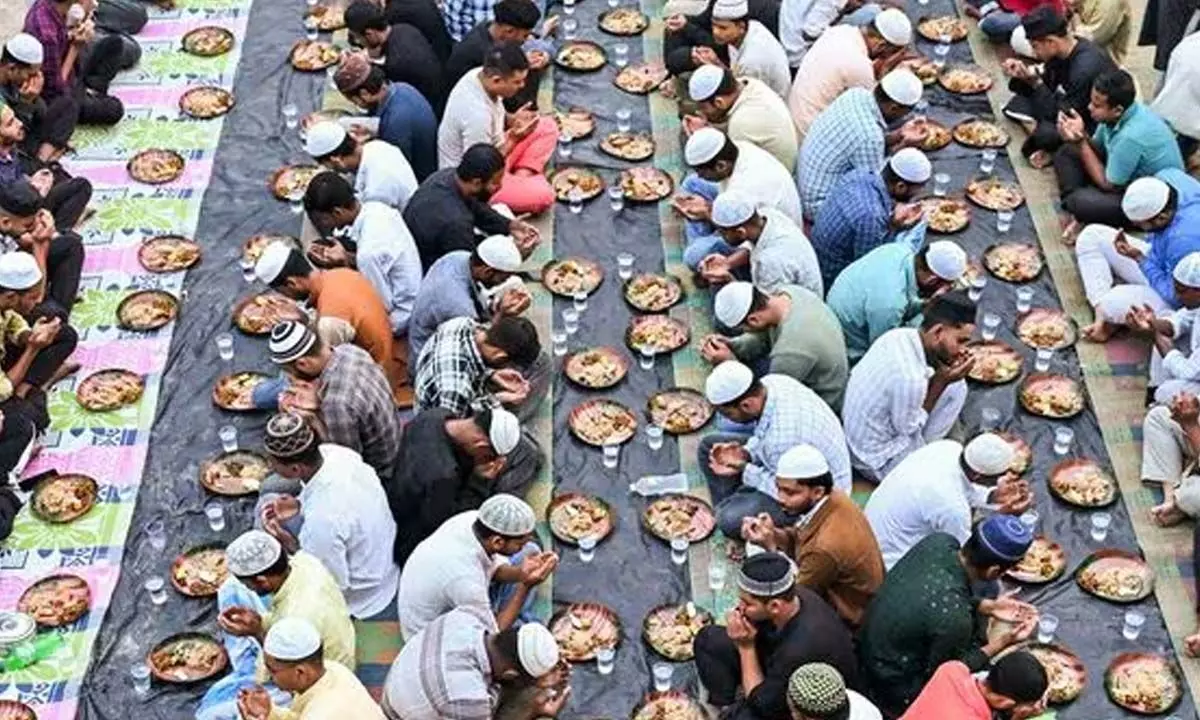
Muslims across India observe the 14th Ramadan fast today, aligning their Sehri and Iftar with city-specific sunset and dawn timings.
Muslims across the country are observing the 14th fast (Roza) of Ramadan today, March 4, 2026. The holy month, marked by fasting from dawn to sunset, is a time of spiritual reflection, discipline, and community bonding. From the first light of Sehri (Suhoor) to the evening call for Iftar, the faithful dedicate their day to prayer, self-restraint, and acts of kindness.
As Ramadan progresses, families are settling into a rhythm of early mornings and peaceful evenings, with mosques witnessing increased participation for daily prayers. The month is expected to conclude with the celebration of Eid al-Fitr around March 20 or 21, depending on the sighting of the crescent moon.
Sehri and Iftar Timings for March 4, 2026
Fasting hours vary slightly across regions due to geographical differences and local sunset timings. Here are the updated Sehri and Iftar timings for major Indian cities on March 4:
City | Sehri (Pre-Dawn Meal) | Iftar (Sunset Meal) |
Lucknow | 05:10 AM | 06:10 PM |
New Delhi | 05:24 AM | 06:24 PM |
Hyderabad | 05:19 AM | 06:24 PM |
Thiruvananthapuram | 05:25 AM | 06:33 PM |
Bihar | 04:52 AM | 05:52 PM |
Mumbai | 04:52 AM | 05:52 PM |
Devotees are advised to verify precise local timings with nearby mosques or trusted Islamic calendars, as minor variations may occur.
The Significance of Sehri and Iftar
Sehri, the pre-dawn meal, is essential in sustaining energy throughout the day-long fast. Nutritionists and religious scholars alike recommend beginning the meal a few minutes before the cut-off time to ensure adequate nourishment. Light yet wholesome foods such as dates, yogurt, fruits, nuts, and whole grains are commonly preferred for sustained hydration and energy.
Iftar, on the other hand, is a cherished moment of the day. As the sun sets, families gather to break their fast traditionally with dates and water, following the Sunnah practice. This is followed by evening prayers and a full meal shared among loved ones. The atmosphere during Iftar often reflects unity, gratitude, and generosity, with many households also preparing extra food to distribute among neighbours and those in need.
A Month of Discipline and Reflection
Ramadan is not only about abstaining from food and water; it is a period of heightened spiritual awareness. Observers engage in increased prayer, recitation of the Quran, and charitable deeds. The daily routine of waking early for Sehri and waiting patiently until Iftar instills punctuality and resilience.
In many parts of India, markets come alive in the evenings with stalls selling fresh fruits, traditional snacks, and Ramadan delicacies. Community iftars and mosque gatherings further strengthen bonds among people from diverse backgrounds.
Stay Updated with Reliable Sources
Given that prayer and fasting schedules depend on sunrise and sunset calculations, slight differences can occur between cities and even neighbourhoods. Worshippers are encouraged to consult authentic local sources, mosque announcements, or verified Ramadan calendars to stay updated on daily Sehri and Iftar timings.
As the holy month advances, the spirit of togetherness and devotion continues to grow stronger. With each passing day of fasting, communities move closer to the joyous celebration that marks the end of Ramadan, carrying forward the lessons of patience, empathy, and gratitude.