Rainy Season Plant Care: A Must-Know Guide for Garden Lovers

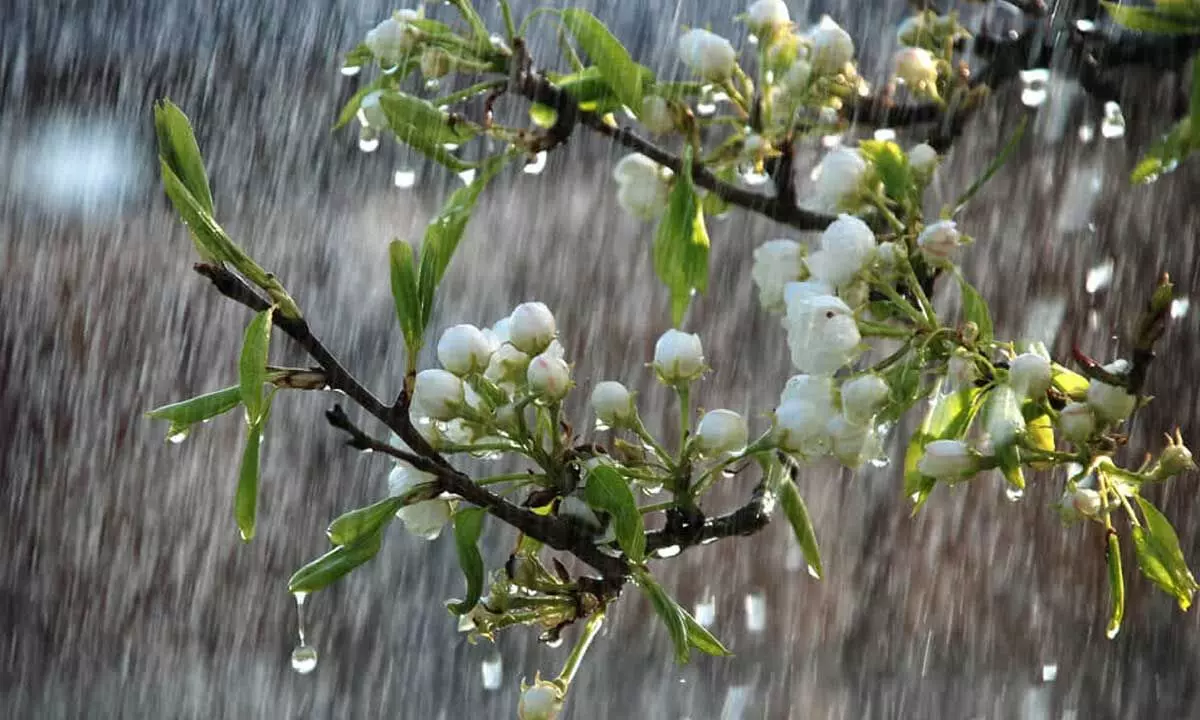
Excess rain can damage your plants during the monsoon. Follow these expert tips to keep them healthy and pest-free.
As the monsoon rains breathe life into the earth, our beloved garden plants enjoy the fresh wash of nature. But while rainwater can rejuvenate them, too much moisture, poor sunlight, and pest attacks can wreak havoc on their health. That’s why taking extra steps to protect your plants during the rainy season is essential.
From root rot to fungal infections, monsoons bring a unique set of challenges. However, with a bit of care and smart planning, your garden can stay lush and thriving.
1. Ensure Proper Drainage
One of the biggest issues in the monsoon is waterlogging. When roots sit in water for too long, they begin to rot. To avoid this:
- Use pots with drainage holes.
- Elevate planters slightly so excess water can drain freely.
- Add a layer of small rocks or pebbles at the bottom of pots to improve water flow.
If you notice standing water, empty it immediately to prevent root damage.
2. Prune Regularly to Keep Plants Healthy
Grooming your plants is more than just aesthetic. Regular pruning and trimming:
- Help maintain a clean, tidy appearance.
- Improve airflow between branches.
- Reduce fungal growth and control weeds.
Snipping away dead or overgrown parts allows sunlight to reach inner parts of the plant, which is especially important in cloudy weather.
3. Be Vigilant Against Pests and Fungi
Monsoon humidity attracts unwanted visitors—think snails, slugs, and fungi. These can harm your plants if left unchecked. To protect your garden:
- Inspect leaves frequently—check both sides.
- Use natural fungicides once or twice a week, depending on infestation.
- Remove any visible mold or pests manually if possible.
Organic remedies like neem oil sprays can also act as a gentle but effective repellent.
4. Maximise Limited Sunlight
With overcast skies common during monsoon, sunlight becomes a rare commodity. On sunny breaks:
- Move plants to brighter spots—balconies, terraces, or window sills.
- Avoid placing them in direct rain if they’re sun-loving species.
Even a few hours of sunlight can make a big difference in plant growth.
5. Use Fertilisers Wisely
The rainy season can wash away essential nutrients from the soil. To support your plants:
- Add organic compost or natural fertilisers periodically.
- Avoid applying fertilisers during heavy rainfall.
- Use kitchen waste compost to enrich the soil naturally.
Too much fertiliser can damage the plants, so moderation is key.
While monsoon rains bring lush greenery and cooler weather, they also demand that gardeners adapt their plant care routine. By focusing on drainage, pruning, pest control, sunlight exposure, and smart fertilisation, you can ensure that your green companions not only survive but thrive through the season.
Let your garden be as vibrant as the monsoon itself—fresh, alive, and flourishing.