Microwave Safety Guide: Which Utensils Are Safe and Which Can Be Dangerous

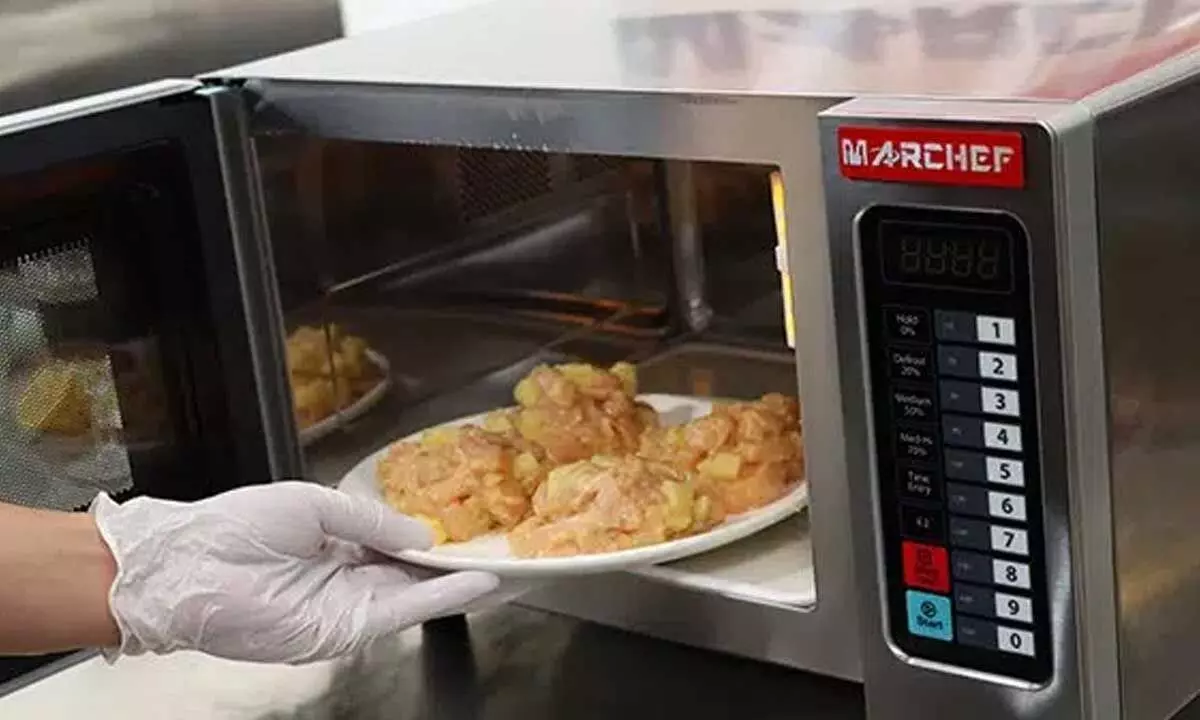
Choosing the right microwave-safe utensils helps prevent fires, chemical leaks, and damage while keeping your food healthy and fresh.
Microwaves have become an everyday appliance in Indian homes and workplaces, valued for their speed and convenience. From reheating leftovers to preparing quick meals, they save time and effort. However, despite their widespread use, many people remain unsure about which utensils are actually safe to place inside a microwave. Using the wrong container can damage the appliance, spoil food, or even pose health risks.
To clear the confusion, here is a simple and reliable guide to understanding what is safe and unsafe inside a microwave.
Safe materials for microwave use
Glass is considered one of the safest options for microwaving food. It heats evenly and does not release harmful chemicals into food. Heat-resistant glass bowls and containers are ideal for reheating and cooking, provided they are free from cracks.
Ceramic utensils are also microwave-friendly, as long as they do not have metallic trim, paint, or decorative finishes. Plain ceramic plates and bowls are generally safe and commonly used in Indian kitchens. However, ceramic items with gold or silver lining should always be avoided.
Certain plastics are designed specifically for microwave use. Polypropylene, marked as PP #5, is one of the safest plastics for microwaves because it can withstand heat without melting or leaching chemicals. High-density polyethylene (HDPE, #2) is also considered microwave-safe when clearly labelled.
Food-grade silicone and plain paper towels are safe for covering food in the microwave. They help prevent splattering while allowing steam to escape, reducing the risk of pressure buildup.
Materials to avoid in the microwave
Metal utensils should never be placed inside a microwave. Items made of steel, aluminium, or iron can cause sparks, fires, and permanent damage to the appliance. Aluminium foil is particularly risky, as it can spark and burn if used incorrectly.
Single-use plastics and low-quality plastic containers are another major concern. Materials like polystyrene (Styrofoam, #6), PVC (#3), PET (#1), and LDPE (#4) can melt, warp, or release harmful toxins when exposed to microwave heat. Styrofoam containers, often used for takeaway food, are especially unsafe.
Foods that require caution
Apart from utensils, some foods should not be microwaved without care. Whole eggs, sealed foods, hot dogs, and potatoes with skin can explode due to steam buildup. High-mineral foods such as grapes and leafy greens may also cause sparks, which can damage the microwave.
Smart safety tips
Always look for the microwave-safe symbol on containers before using them. If unsure, a simple test involves heating the empty container for 30 seconds; if it becomes very hot, it is not suitable for microwave use. Food should always be covered loosely to allow steam to escape.
When in doubt, glass or plain ceramic utensils remain the safest and most reliable choice for reheating food in the microwave. Making informed decisions about containers not only protects your appliance but also ensures your meals remain safe and healthy.