Low on Vitamin D? Everyday Foods That Can Naturally Boost Your Levels

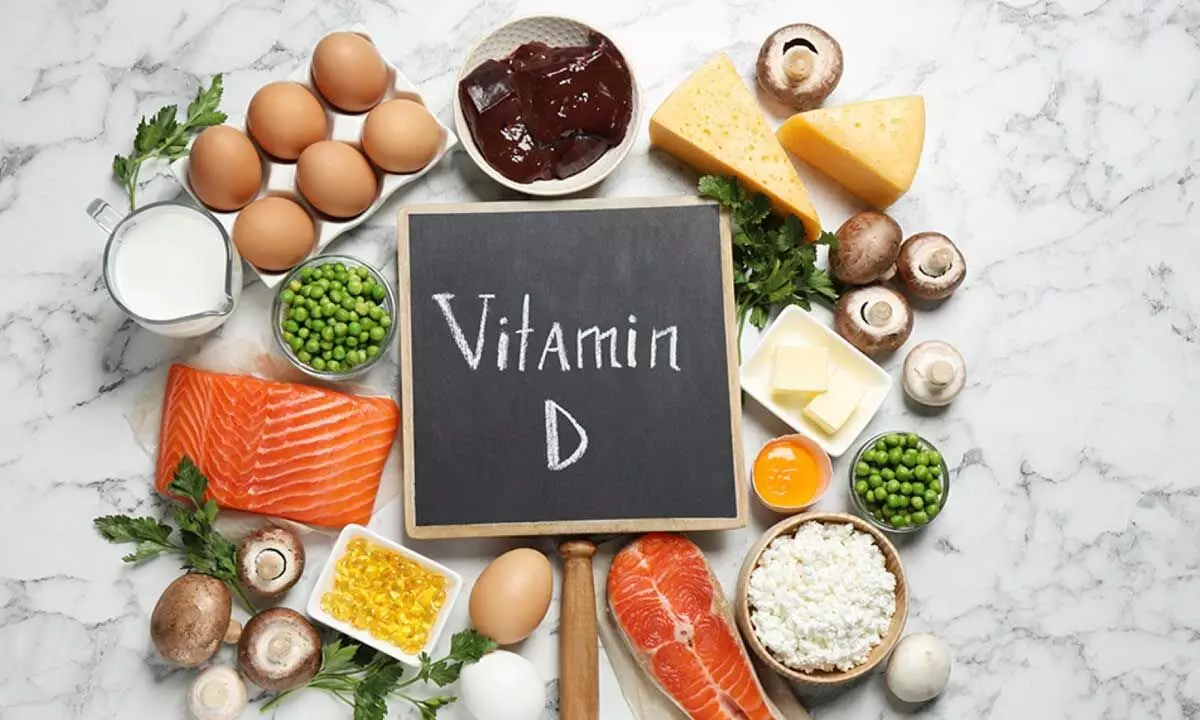
Simple dietary changes and smart food choices can help fight Vitamin D deficiency and support stronger bones and immunity.
Vitamin D plays a quiet yet powerful role in keeping the body healthy. From strengthening bones and teeth to supporting immunity and muscle function, it is essential at every age. Yet, despite living in sunny regions, many people still struggle with low Vitamin D levels. Indoor lifestyles, long working hours, pollution, and limited sun exposure often reduce the body’s natural production of this “sunshine vitamin.”
A deficiency can show up as constant tiredness, body aches, weak immunity, or frequent illnesses. Over time, it may also affect bone density and overall health. While stepping outdoors for sunlight remains important, adding the right foods to your plate can make a noticeable difference.
Here are some easy, everyday dietary options that can help increase Vitamin D naturally.
Fatty Fish: A Powerful Natural Source
Fatty fish top the list when it comes to Vitamin D-rich foods. Options like salmon, mackerel, sardines, and tuna provide high amounts in just one serving. These fish not only boost Vitamin D but also deliver heart-healthy omega-3 fatty acids. Including grilled fish, curries, or simple pan-fried preparations a few times a week can significantly improve intake.
Eggs: A Daily Staple with Benefits
Eggs are affordable, versatile, and widely available. The yolk contains Vitamin D, making whole eggs a smart addition to daily meals. Boiled eggs, omelets, or egg-based dishes can easily become part of breakfast or lunch. Choosing free-range or farm eggs may offer slightly higher nutrient content.
Mushrooms: A Vegetarian-Friendly Option
For those who prefer plant-based foods, mushrooms offer a helpful alternative. Certain varieties exposed to sunlight or UV light naturally produce Vitamin D. They blend well into stir-fries, soups, sandwiches, and pasta, making them an easy addition to vegetarian or vegan diets.
Fortified Milk and Dairy Products
Many milk and dairy brands now fortify their products with extra Vitamin D. Regular consumption of milk, yogurt, or cheese can help close the nutrition gap, especially for children and older adults. A glass of milk or a bowl of curd each day can quietly contribute to better bone health.
Plant-Based Milk Alternatives
People who avoid dairy need not worry. Soy, almond, and oat milk are often fortified with Vitamin D. These options work well in tea, coffee, smoothies, or breakfast bowls. Checking labels for fortification ensures you get the added benefits.
Breakfast Cereals for a Quick Boost
Busy mornings can still be nutritious. Many ready-to-eat cereals contain added Vitamin D and other vitamins. Pairing them with milk or fortified plant-based alternatives creates a quick, balanced meal that supports daily requirements. Always look at nutrition labels before buying.
Fortified Beverages and Supplements
Some packaged orange juices now come enriched with Vitamin D, offering another simple way to increase intake. Meanwhile, traditional options like cod liver oil remain highly concentrated sources, though they should be consumed carefully and in moderation. Small portions are often enough to meet daily needs.
Everyday Indian Choices Like Cheese and Paneer
Common foods such as cheese and paneer also provide modest amounts of Vitamin D along with protein and calcium. Including them in curries, snacks, or salads can contribute steadily to overall nutrition without major dietary changes.
The Bottom Line
Maintaining healthy Vitamin D levels doesn’t always require drastic measures. A mix of sunlight exposure and smart food choices can go a long way. By adding a variety of these nutrient-rich foods to everyday meals, you can support stronger bones, better immunity, and improved overall well-being naturally.