Lip Balm or Lip Oil: What Really Repairs Winter-Damaged Lips?

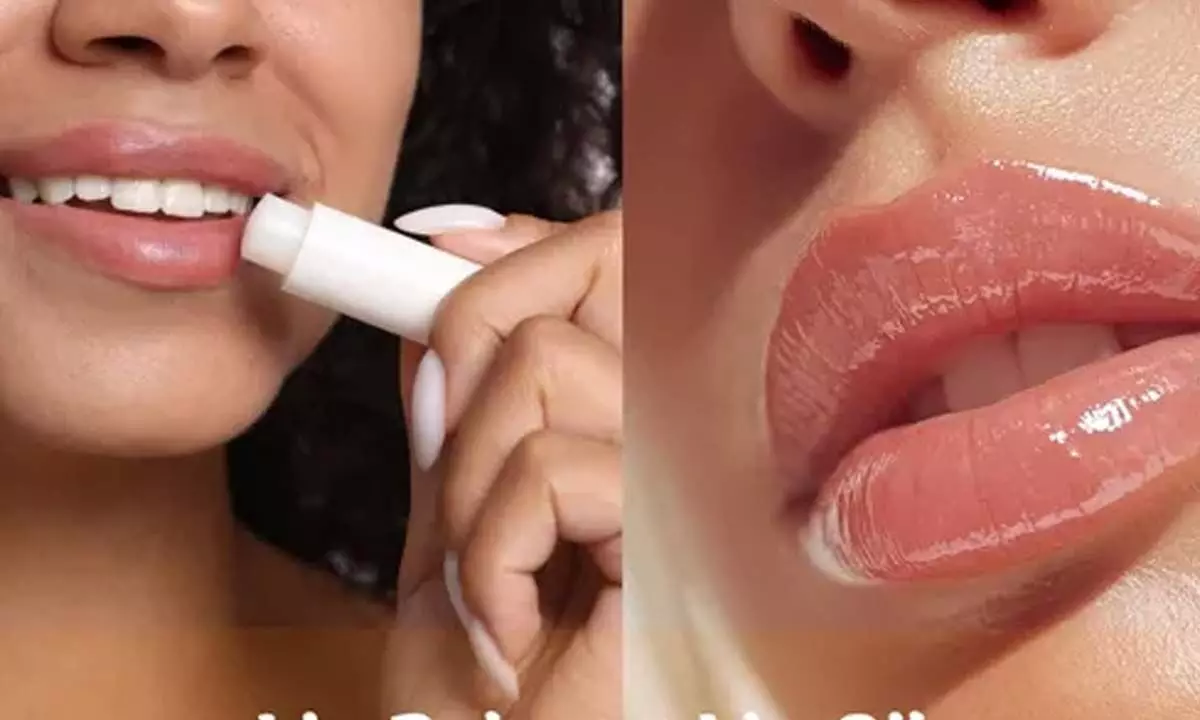
Cold winds and low humidity strip lips of moisture, making the right lip care product essential for healing and protection.
Winter can be especially harsh on your skin, but your lips often suffer the most. Unlike the rest of your face, lips have thinner skin and very few oil glands, which means they struggle to retain moisture naturally. Add cold winds, dry air and indoor heating into the mix, and you are left with chapped, cracked and sometimes painful lips.
When it comes to protection, two popular options dominate store shelves — lip balms and lip oils. Both promise hydration and nourishment, yet they work in different ways. So, which one truly helps repair winter-damaged lips? Here’s a closer look to help you decide.
Why Lips Get So Dry in Winter
During colder months, humidity levels drop sharply, pulling moisture away from the skin. Since lips lack the natural oils that protect the rest of the body, they dry out faster. This often leads to flaking, peeling and small cracks that can sting or bleed. Without proper care, the damage can worsen over time.
Using a targeted lip product becomes less of a beauty choice and more of a skincare necessity.
How Lip Balms Protect and Repair
Lip balms are widely considered the winter essential for a reason. They usually contain thicker ingredients such as beeswax, shea butter, cocoa butter or ceramides. These components form a protective layer over the lips that seals in moisture and shields them from harsh weather conditions.
This barrier not only prevents further dryness but also helps the skin heal. Because balms are heavier in texture, they stay on the lips longer, offering extended protection against wind and cold air.
For people dealing with severely chapped or cracked lips, balms can provide quick relief from tightness and soreness. They are especially effective when applied before bed, allowing the lips to recover overnight.
What Lip Oils Bring to the Table
Lip oils have gained popularity in recent years thanks to their lightweight feel and glossy finish. Typically infused with nourishing oils like jojoba, almond, coconut or rosehip, they deliver instant hydration and a smooth, plump look.
Unlike balms, oils absorb quickly into the skin, giving fast moisture without feeling sticky or heavy. This makes them comfortable for daytime use and ideal for those who prefer a natural shine instead of a matte finish.
However, because they are lighter and less occlusive, lip oils may not last as long in extreme weather. They hydrate well but don’t always provide the same level of protection against moisture loss.
Key Differences to Consider
The biggest difference lies in how each product works. Balms focus on protection and repair by locking in moisture, while oils concentrate on hydration and enhancing appearance.
If your lips are already cracked or peeling, a balm offers stronger healing support. If your lips just feel slightly dry and you want a glossy, nourished look, an oil can do the job comfortably.
Many people find that combining both works best — balm for intensive care at night and oil for lighter hydration during the day.
Ingredients Matter Most
Regardless of the product you choose, the ingredient list plays a crucial role. Look for natural moisturisers such as shea butter, beeswax, vitamin E, coconut oil or plant-based oils that soothe and restore the skin barrier.
It’s wise to avoid products loaded with artificial fragrance, menthol or alcohol, as these can irritate the lips and worsen dryness over time.
For true healing during winter, lip balms generally come out on top. Their thicker texture and protective seal make them better suited to repair damaged lips and guard against harsh conditions. Lip oils, meanwhile, work well for everyday hydration and a healthy glow.
In short, if your lips need serious care, reach for a balm. If you want lightweight moisture with shine, a lip oil is a great companion. Keeping both in your routine might be the smartest way to keep winter dryness at bay.