Keep Your Vegetables Fresh for Weeks With These Simple Kitchen Hacks

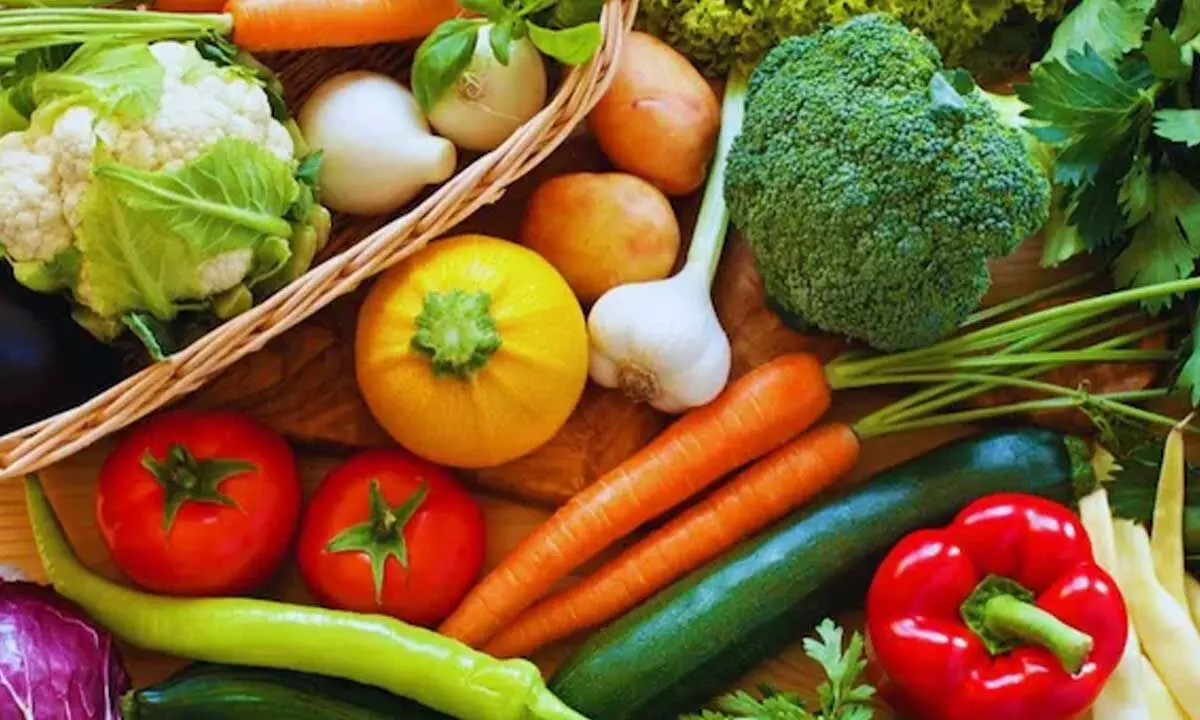
Smart kitchen hacks can help extend vegetable freshness, reduce food waste, and make home-cooked meals healthier and more sustainable.
Vegetables are a cornerstone of a healthy diet, but keeping them fresh for longer can be a challenge, especially in warm or humid climates. Without proper storage, vegetables can quickly wilt, spoil, or lose their nutrients, leading to daily kitchen waste and extra trips to the market. With some simple yet effective kitchen hacks, it’s possible to prolong their shelf life while keeping them crisp, flavourful, and nutrient-rich.
A well-organised kitchen is the first step in extending the life of vegetables. Understanding how different vegetables breathe, retain moisture, and react to temperature can make all the difference. Certain vegetables prefer cool, dark spaces, while others fare better in breathable containers that balance humidity.
Control Moisture
Moisture is a double-edged sword for vegetables. Excess water can lead to rot, while too little can cause wilting. Wrapping vegetables in breathable materials such as cotton cloths or paper towels can help maintain the right balance of humidity.
Skip Plastic Bags
Plastic bags may seem convenient, but they trap moisture and accelerate spoilage. Instead, opt for eco-friendly alternatives like mesh produce bags, newspaper wraps, or perforated storage containers.
Use Crisper Drawers Strategically
Refrigerator crisper drawers are designed to manage humidity. Leafy greens should be stored in high-humidity sections, while firmer vegetables like cucumbers, bell peppers, and zucchini do better in low-humidity zones. This simple separation can keep vegetables fresher for days.
Blanch and Freeze
Vegetables such as beans, broccoli, and spinach benefit from blanching—briefly boiling them before freezing. This preserves texture, flavour, and nutrients. Flash freezing is another effective trick: spread chopped vegetables on a tray, freeze until solid, then transfer to freezer bags. This prevents clumping and freezer burn, making it easier to use them later.
Vegetable-Specific Storage Hacks
Leafy greens like spinach, coriander, and methi should be rinsed, dried completely, and wrapped in paper towels or stored in breathable containers to maintain freshness. Root vegetables such as carrots, beets, and radishes last longer when their leafy tops are removed and they are stored in damp cloths or sand.
Cucumbers, bell peppers, and zucchini thrive in low-humidity conditions and should be stored away from ethylene-producing fruits like apples and bananas to prevent early ripening. Onions and garlic do best in mesh bags or open baskets, kept away from moisture and direct light. Tomatoes should be stored stem-side down on a flat surface; refrigeration can affect their flavour and texture, while unripe ones can ripen naturally in a paper bag with a banana.
By adopting these kitchen hacks, households can not only enjoy fresh, nutrient-dense vegetables longer but also take a step toward reducing food waste and making sustainable lifestyle choices. A few thoughtful storage practices can transform daily cooking, ensuring vegetables stay fresh, flavourful, and ready to enhance every meal.